

Ramstad: The term ‘horrible year’ is inadequate for the pain nonprofits have felt in 2025

Kate Barr, a longtime leader on Minnesota’s nonprofit scene, says a big difference this year is charities have suffered alone.

Columnist Icon
The Minnesota Star Tribune
December 13, 2025 at 1:00PM
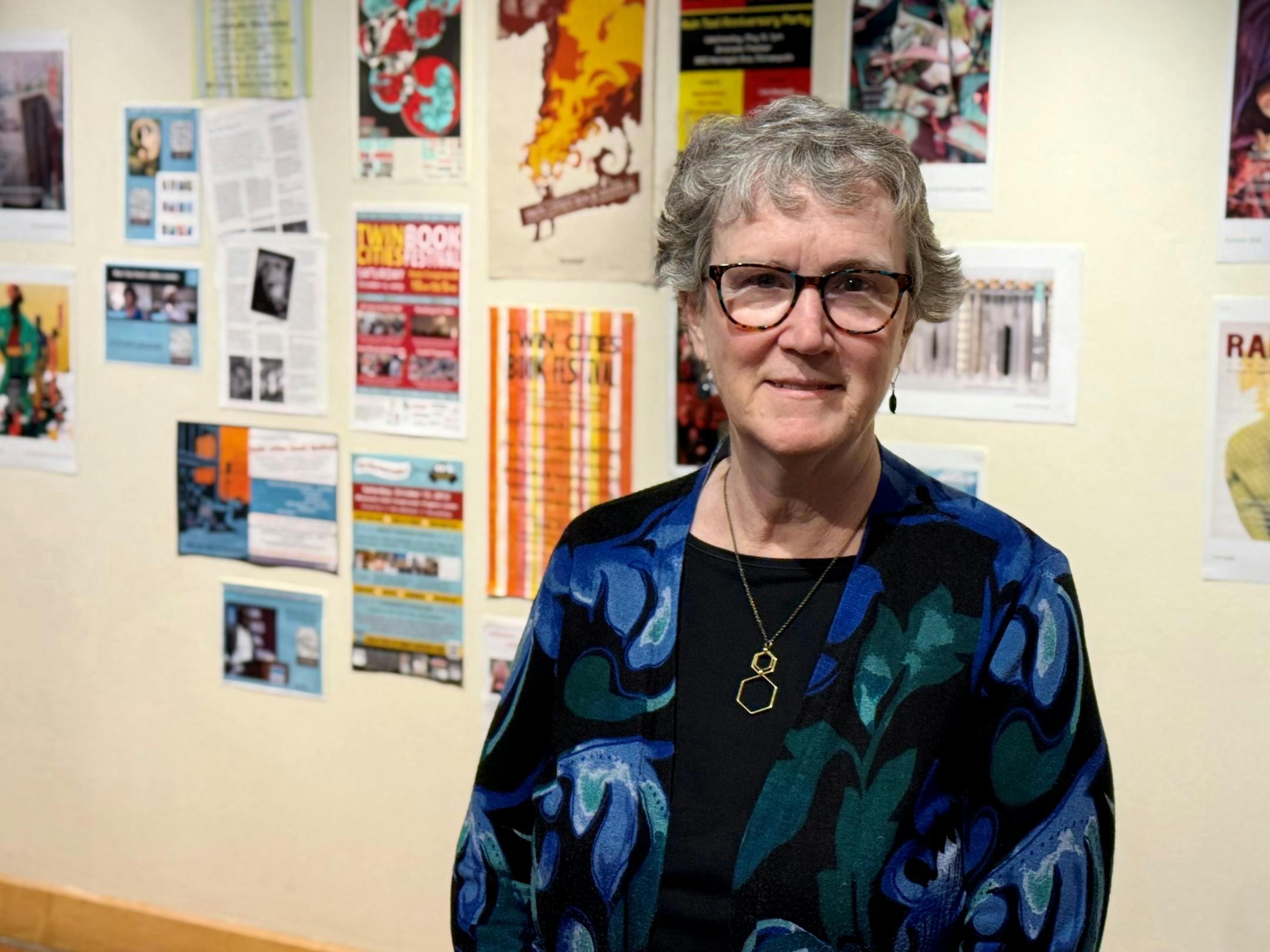
Kate Barr, former longtime leader of Propel Nonprofits in Minneapolis, is now a professor on nonprofit finance and governance at the University of Minnesota. Barr says charities have dealt with a "swirl of manufactured urgency and manufactured uncertainty" because of federal cuts and legislation this year. (Evan Ramstad)

This year has been singular for businesses, both privately owned and publicly traded in Minnesota and the rest of the country. Many are doing just swell as income tax relief orchestrated by the Trump administration and congressional Republicans diminished the effects of new import taxes and a slower overall economy.

For nonprofit organizations and charities — which the administration and Congress have scrutinized, criticized and stripped of federal money — it’s been a repeat of the terrible difficulties of 2008, when the rapid onset of recession led donors to cut back on contributions.

At least one out of three nonprofit organizations experienced a disruption of services in the first half of the year from the loss of federal funds, the Urban Institute reported this fall. Its survey didn’t include colleges and hospitals, but the targets it uncovered were broad: food shelves, job trainers, health services to the elderly, disaster relief organizations.

And then the “One Big Beautiful Bill,” passed in July, eliminated some incentives for corporate giving to nonprofits and created new taxes on nonprofits and their investment incomes.

What’s worse is the isolation that leaders of nonprofits have felt as the austerity out of Washington hit them, said Kate Barr, a longtime leader in Minnesota’s nonprofit scene and former banker who now teaches about nonprofit financing and governance at the University of Minnesota.

“The difference from 2008 is that it was shared difficulty. Business leaders, nonprofits, government, everyone felt it,” Barr told me this summer. “It didn’t feel like we were pitted up against one each other. And this is so different.”

We met again last week to catch up and I told Barr that one of the memories I’ll keep of this year was the inspiring and searing speech that Nonoko Sato, president of the Minnesota Council of Nonprofits, gave to lift spirits at the organization’s annual conference in October.

Nonoko Sato, president of the Minnesota Council of Nonprofits, speaks at the organization's annual conference in St. Paul on Oct. 9. (Evan Ramstad)

“We are the connectors across differences, the translators of empathy, the stewards of trust in a time of cynicism,” Sato had said, then added, “I encourage us not just to hold the line. Let us hold the light of possibility, the light of shared humanity, the light that says ‘We are still here.’”

Barr, the former longtime leader of Propel Nonprofits, a consultancy that has helped too many of the state’s charitable organizations to count, these days works with community development financial institutions, or CDFIs, most closely.

They have long been backed by the federal government with strong political support from the nation’s bankers. The Trump administration has put CDFIs through the wringer because of the president’s dislike for anything that whiffs of favoritism to people of color.

The administration in April proposed cutting its funding to CDFIs until banking industry voices stepped in to point out their essential work in lifting people out of poverty. Then, during the government shutdown, everyone working on CDFIs in the Treasury Department was laid off. That was reversed by Congress last month in the legislation to end the shutdown, but CDFIs are still awaiting their once-a-year grants.

“This is just a microcosm of the nonprofit sector,” Barr said. “Across the country, thousands are dealing with this kind of constant crisis, then non-crisis. Go back to work. No wait.”

Arts organizations have lost funds from the National Endowment for the Arts. Health and human services providers, many of them handling the difficult work of private care, don’t yet know how Medicaid cuts will hit them. The makers of “Sesame Street” are running ads on sports radio in the Twin Cities asking for donations after Congress defunded the Corporation for Public Broadcasting.

“The swirl of manufactured urgency and manufactured uncertainty has exhausted so many people and organizations,” Barr said. “I mean, how do you budget? How do you make a budget for 2026 when you don’t know what’s going to happen?”

Nationwide, about two-thirds of nonprofit organizations rely on at least some federal or state funding, in addition to private sources. But no charity, not even the richest foundation (as people like Bill Gates have noted), has the impact of federal resources and support.

In her courses at the U’s Humphrey School of Public Affairs, Barr tells students that nonprofit organizations are more complicated to lead than ordinary businesses.

“Businesses sell stuff to somebody who wants to buy it for a price you’ve agreed to,” she said. “Nonprofits have individual donors, foundations, government agencies and major donors. And they all want something different. Nonprofits have to deliver their service, right? But they also have to deliver back to their sources of revenue.”

And too often, she noted, funders make judgments about nonprofits based on the simplest of measures. One that is widely used is particularly misleading: the program efficiency ratio, which is supposed to show how much money goes to a nonprofit’s mission or service compared to its overhead. This number obscures the stubborn reality of fixed costs and makes small organizations seem less impactful than they are.

Barr teaches the efficiency ratio out of a textbook in her classes, then tells her students, “That ratio tells you nothing because it is so dependent on structure and business models. It’s easier to have a lower ratio if you have a $4 million than a $2 million budget or a $500,000 budget.”

Good financial management is no different for a nonprofit than a for-profit business or your own personal finances. Some donors think nonprofit organizations and charities should spend everything they have, but good leaders know better.

“Healthy reserves, a strong balance sheet, surpluses covering your full costs, those actually make you stronger,” Barr said. “Especially at a time of big disruption, like we’ve been having all year, there’s nothing like cash.”

about the writer

about the writer

Evan Ramstad

Columnist

Evan Ramstad is a Star Tribune business columnist.

See Moreicon

More from Business

See More
card image
Aaron Lavinsky/The Minnesota Star Tribune

As the end of the year nears, look back at the volatile times and the financial choices you made during them.

card image