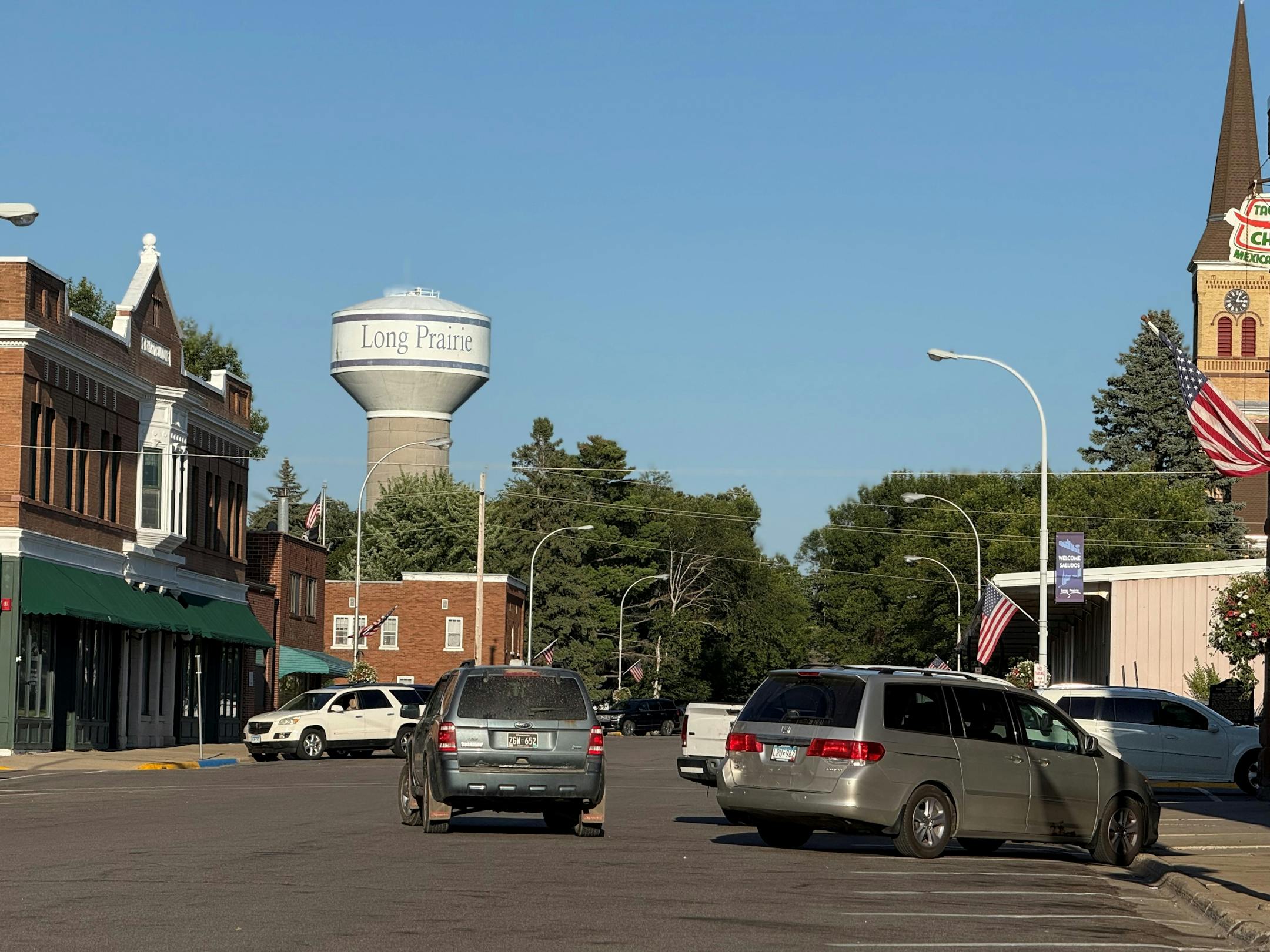
Jim Kreemer was making $1.85 an hour working at the rendering plant in Long Prairie when he and his wife decided to leave her parents’ dairy farm and move into town.
It was the early 1980s, and they were about to sign a lease on a unit for an apartment, but his father-in-law told them they were wasting their money.
“Find another way,” Kreemer recalled being told. So the couple went to the local office of the Farmers Home Administration and learned they qualified for a low-interest loan with no down payment. They bought a three-bedroom rambler they still live in today.
“That was back in 1980,” he said. “The programs were there. The house was affordable.”
Now retired after several decades as the fire chief of Long Prairie, Kreemer is the mayor of the central Minnesota town of 3,700 and spends much of his time trying to solve its housing shortage. Costs are much higher today, and there is less help for homebuyers. The Farmers Home Administration, for instance, disappeared in the early 1990s.
“There’s no easy answers,” Kreemer told me. “We need housing. We need to rehab the old housing. When you have people that are paying $500, $600 a month to rent a bedroom — to rent a bedroom, and it’s going on all over town — you can’t tell me we don’t.”
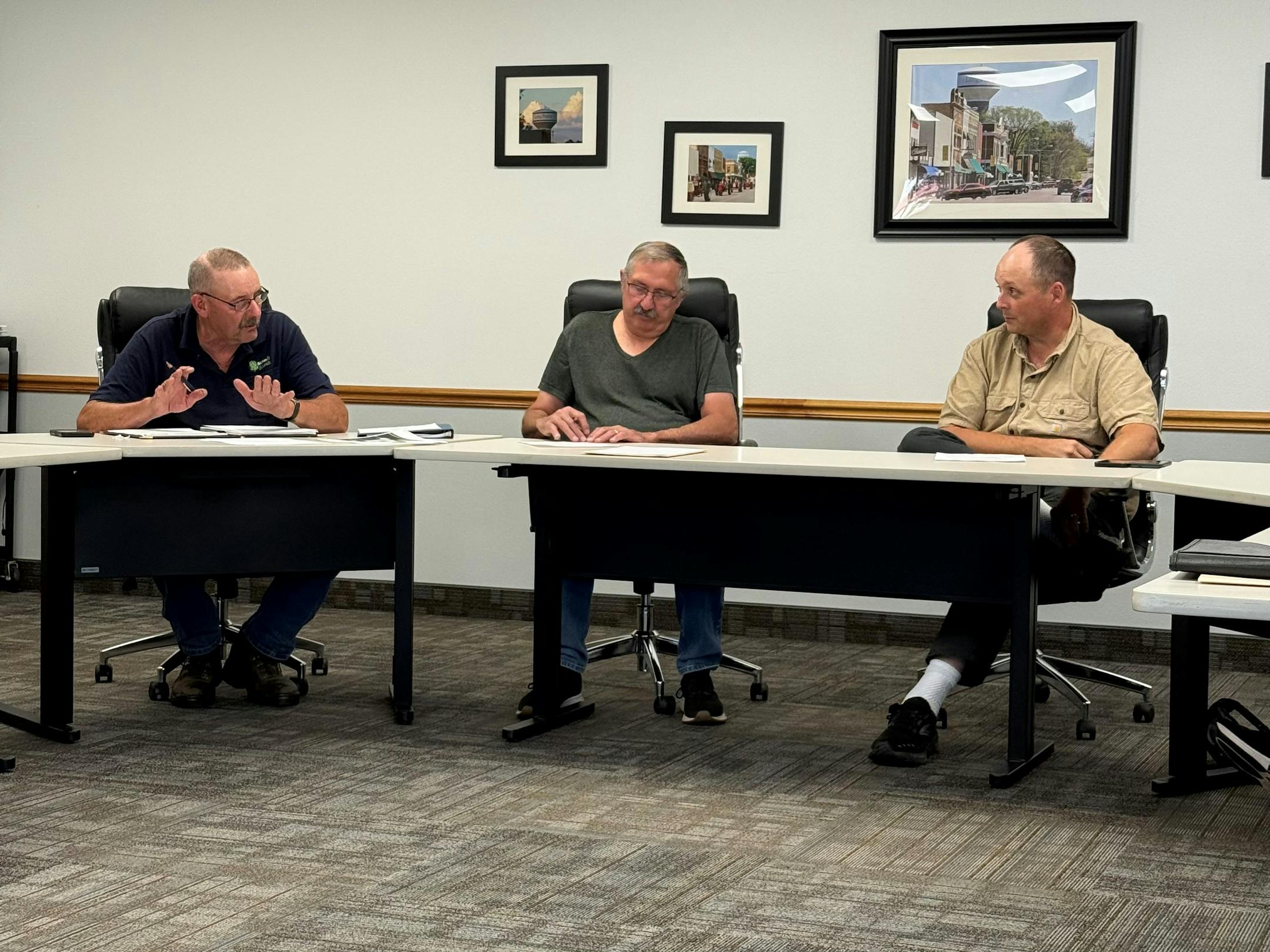
I visited Long Prairie last month as Kreemer and other town leaders started the final steps in an update to a long-term comprehensive economic development plan. The Long Prairie City Council voted its final approval on Sept. 10.
Plans are only as good as the follow-through, of course. But the discussion of the plan, which began early last year, helped people in Long Prairie understand how differently things work in the economy now.