

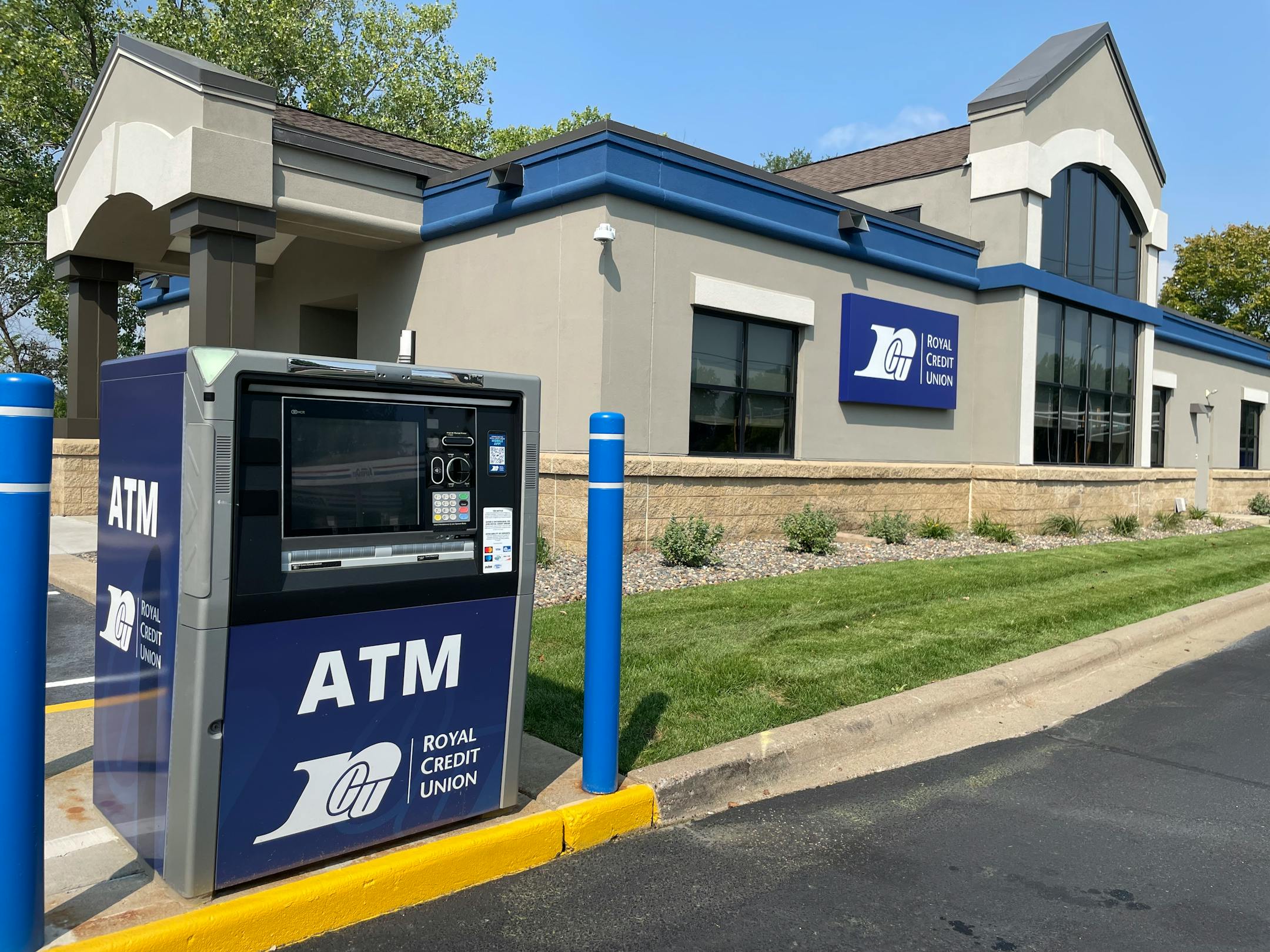
Early this summer, a district court judge in St. Paul handed the Minnesota Department of Commerce a victory in a challenge to its authority to decide who can buy banks in the state.
But the ruling didn't touch on the substance of the department's policy, which is to review deals involving banks and credit unions on a case-by-case basis. And as a result, a long-running tension between Minnesota's banks and credit unions continues to simmer.
This is the kind of situation that lurks in the background until a crisis pops up. In that way, it's similar to how the U of M hospital system's role on the state's health scene was taken for granted until an out-of-state company tried to buy Fairview Health, partner to the U of M health system.
But as with the U of M and Fairview situation, it's one in which state leaders should more clearly set a direction.
Just over a year after he became governor, Tim Walz was thrust into managing the state's response to the COVID-19 pandemic. After his re-election, Walz this spring spent a windfall to the state's coffers, checking off a wish list of Democratic priorities.
Now, it's time for Walz and other state leaders to start shaping Minnesota for a future that's different than the past, one in which population growth is slower than ever.
That means deciding difficult things, like whether some Twin Cities suburbs should merge, whether the U should be a dominant health care brand and whether there will be a bank or something like it on as many Minnesota corners.
People don't go into banks, thrifts or credit unions as often as they did. But they still want them around, particularly when they need mortgages and other complex loans. And that demand for utility-like access and service leads to costs that many people overlook.


