With the harvest just ahead, farmers and grain shippers are increasingly worried about where they'll put millions of bushels of Minnesota-grown corn and soybeans because the rail system is far behind in moving last year's crop.
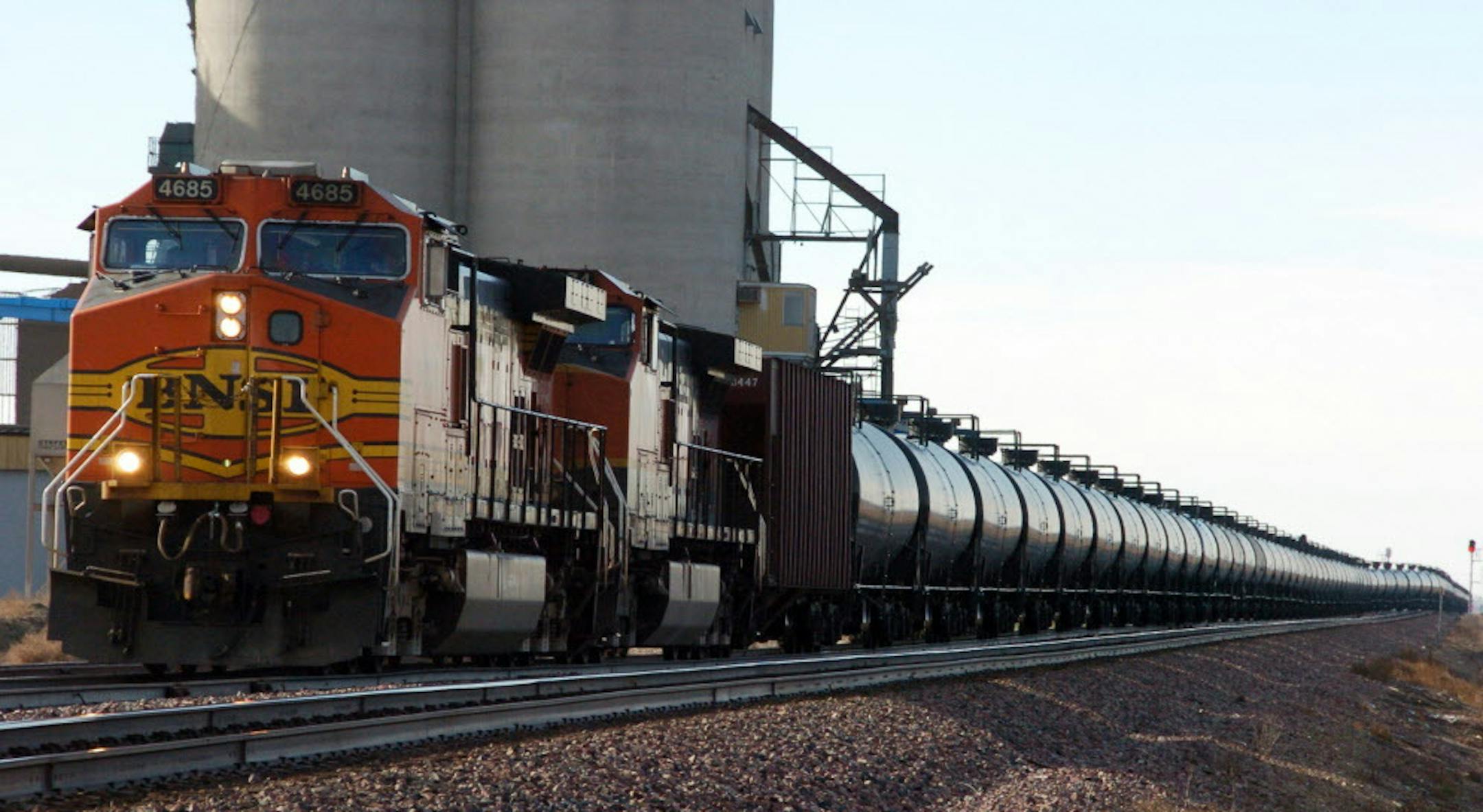
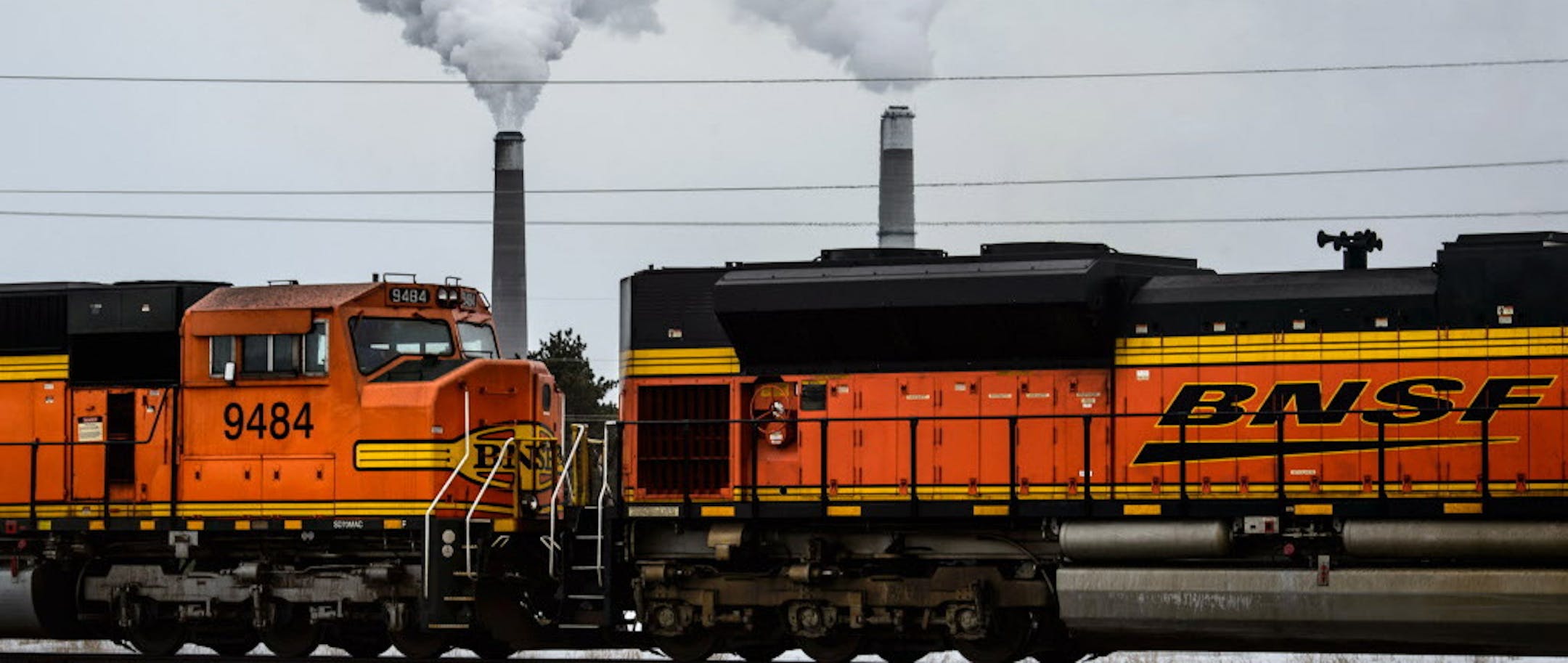
A boom in oil shipments out of North Dakota has led to delays and skyrocketing freight costs that are ratcheting up tensions between rail firms and many of their customers: coal companies, utilities, ethanol plants and passenger rail.
But prompt rail service is of particular importance to the Upper Midwest's immense agricultural sector. Bob Zelenka, executive director of the Minnesota Grain and Feed Association, said the railroads are not adjusting quickly enough to the unprecedented oil traffic.
"It just added substantial congestion to whole BNSF and [Canadian Pacific] network," Zelenka said, "and neither was well prepared with the infrastructure to handle that increase in volume."
Gov. Mark Dayton sent a letter last week to the Surface Transportation Board, which regulates railroads, complaining of "dire circumstances" that Minnesota farmers face because of delayed grain shipments, and asking for increased accountability from the railroads.
The board will hold a previously scheduled field hearing Thursday in Fargo to learn more about the problems and to hear from railroad executives, top elected officials, and leaders from corn and soybean associations, farmers unions, power companies and coal shippers.
In calling for the hearing, the board said it remains "very concerned" about grain shipments, especially with above-average and potentially record corn and soybean harvests expected in a few weeks.
"As the new harvest ramps up, storage space at many [grain] elevators reportedly is already unavailable or very limited" because much of the 2013 corn and soybeans have not been shipped yet, the board noted. "As a result, some farmers are being forced to store grain on-site in bins, bags, or on the ground, or to truck grain to distant elevators."