
Proto Labs, HP partnership takes 3-D printing to next level

Proto Labs is using new tech that is expected to boost its contract business

August 9, 2017 at 1:38AM
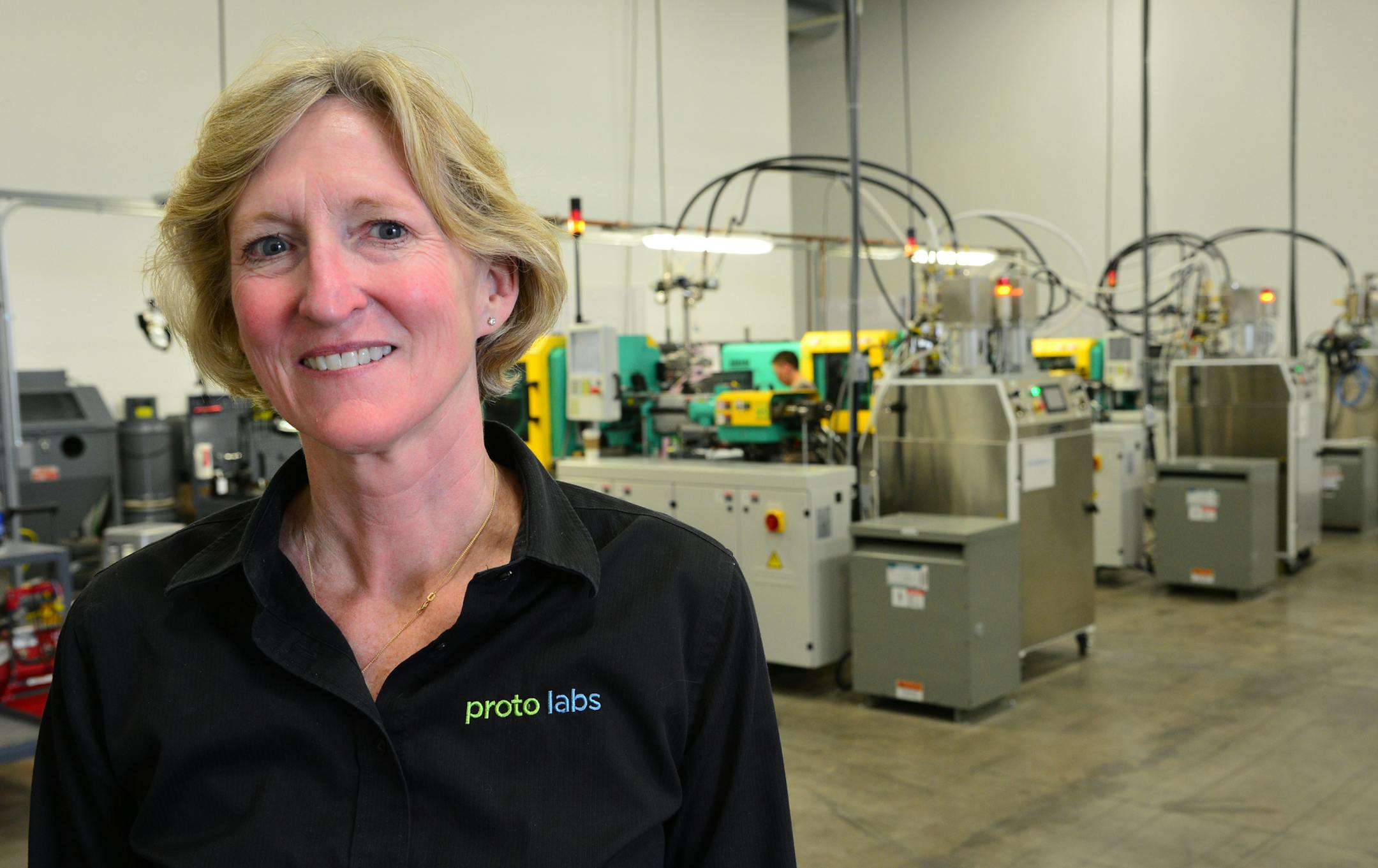
Proto Labs CEO Vicki Holt is betting a new partnership with HP will expand the company's contract manufacturing business. (RICHARD SENNOTT/Star Tribune file photo)
Proto Labs CEO Vicki Holt is betting a new partnership with HP will expand the company's contract manufacturing business. (The Minnesota Star Tribune)

In its effort to accelerate its 3-D printing manufacturing business, Proto Labs has added new Hewlett-Packard multi-jet printing technology that can produce parts up to 10 times faster than past processes.

Tuesday's announcement comes one year after the Maple Plain-based Proto Labs began pilot testing the Hewlett-Packard machine.

Hewlett-Packard's new 3-D printer is gaining the attention of manufacturers and industry analysts because it quickly fuses nylon powder into solid parts with the help of one sweeping arm that is loaded with multiple fusing jets. Competing technologies, although they may use more than one material, often use a single laser to fuse powders, which means they produce parts more slowly.

Proto Labs is betting the new technology will increase its contract manufacturing business.

Hewlett-Packard's speedier device should be attractive to customers across the medical device, automotive, aerospace and consumer-electronics industries, said Proto Labs CEO Vicki Holt.

She likes that the new multi-jet printer, which only HP has, solidifies nylon powders into parts so they have a consistent structure and smoother finishes than other powder printers. Holt said such features are critically important to customers who want to make up to 1,000 finished parts quickly and not just a single prototype.

"We're excited about this," she said. "3-D printing technology is a very active space. And we like to pride ourselves on being an industry leader and being able to offer the highest resolution and quality parts."

Hewlett-Packard began working on its 3-D multi-jet printer several years ago. It formally introduced the technology in June 2016 and partnered with BMW, Nike, Arkema, BASF, Johnson & Johnson and Proto Labs. The partnerships helped HP get honest feedback about how the machine performed in the real manufacturing world.
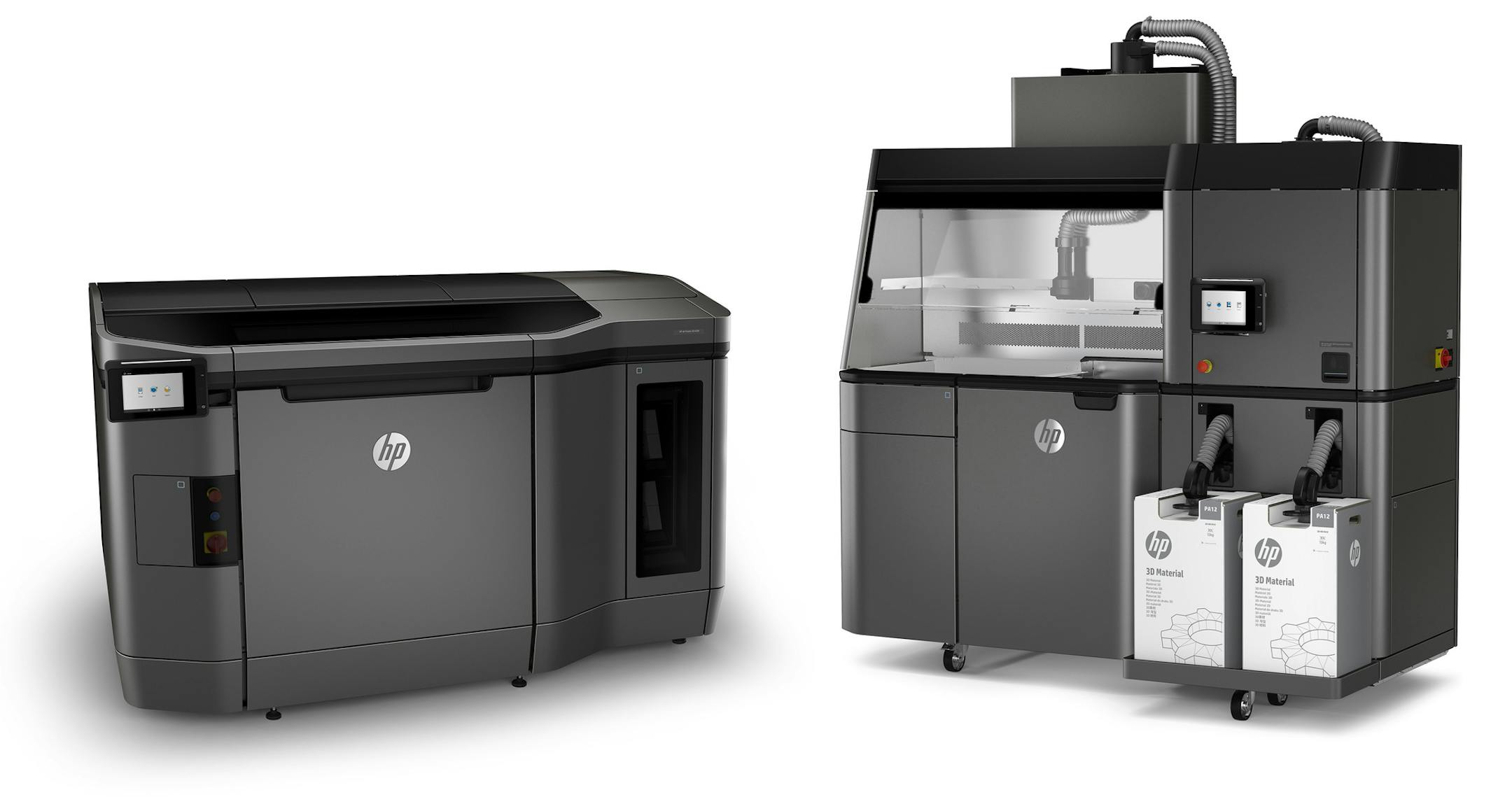
It worked so well that Proto Labs brought three of the printers into its Raleigh 3-D printing factory. That location already uses printers made by Stratasys and 3D Systems that employ different manufacturing techniques. The Stratasys machines don't use powder but instead repeatedly deposit tiny dots of molten plastic string until a three-dimensional structure emerges. In contrast, the 3-D Systems machines that Proto Labs uses employ a single laser that fuses and solidifies tiny particles of powder.

Proto Labs announced its newest HP multi-jet printing capabilities to customers last week. Since then, it has won several orders plus requests for many quotes, said Proto Labs spokeswoman Sarah Ekenberg.

If successful, the new service will help Proto Labs increase its 3-D printing revenue by 20 to 25 percent a year. In 2016, 3-D printing represented just 14 percent of Proto Labs' $300 million in revenue.

In contrast, Proto Labs' injection molding services business contributed 57 percent of revenue and CNC machining services 29 percent.

In the past few years, Proto Labs has worked hard to expand its manufacturing services. It bought, moved and expanded its 3-D printing operations in Raleigh and Europe. It offered North American customers new "on-demand" injection molding services and added automated "rapid over-molding" manufacturing to its lineup. It also ventured into silicone and magnesium injection molding services and recently introduced digital product inspections and lifetime mold-maintenance services.

The goal is to offer customers "one-stop shopping," Holt said. With Hewlett-Packard's multi-jet printing on board, "this is our 10th process offering."

HP's powder 3-D printing won't replace any of Proto Labs' other services, she said. Each type of 3-D printer has different properties desired by different manufacturing customers, she explained. Some demand quickly produced prototypes and parts. Others need parts that are extremely strong and heat resistant. Proto Labs hopes to fulfill all customer requests, Holt said.

Scott Dunham, research vice president of Virginia-based SmarTech Markets Publishing, said Hewlett-Packard's technology should be a "slam dunk" in appealing to auto and aerospace manufacturers who need prototypes and quickly printed parts.

Its appeal should grow in other industries when HP expands its menu of printing materials. Right now HP's multi jet only prints nylon 12 powder, which is credited for the ability to 3-D print items quickly and cheaply.

But competing powder printers can 3-D print many types of powders. Some fuse to create parts that are flexible or rubbery. Other powders can be laced with fiberglass fibers for extra strength.

HP will eventually have more powders to print, and when it does, its "market opportunities will greatly expand," Dunham said. "Right now, they are getting in on the ground floor with nylon 12 powder printing. By all accounts, in talking to engineers and others on the ground floor of the various printing technologies, the HP multi-jet fusion printer appears to be a pretty exciting prospect for the future."

Dee DePass • 612-673-7725


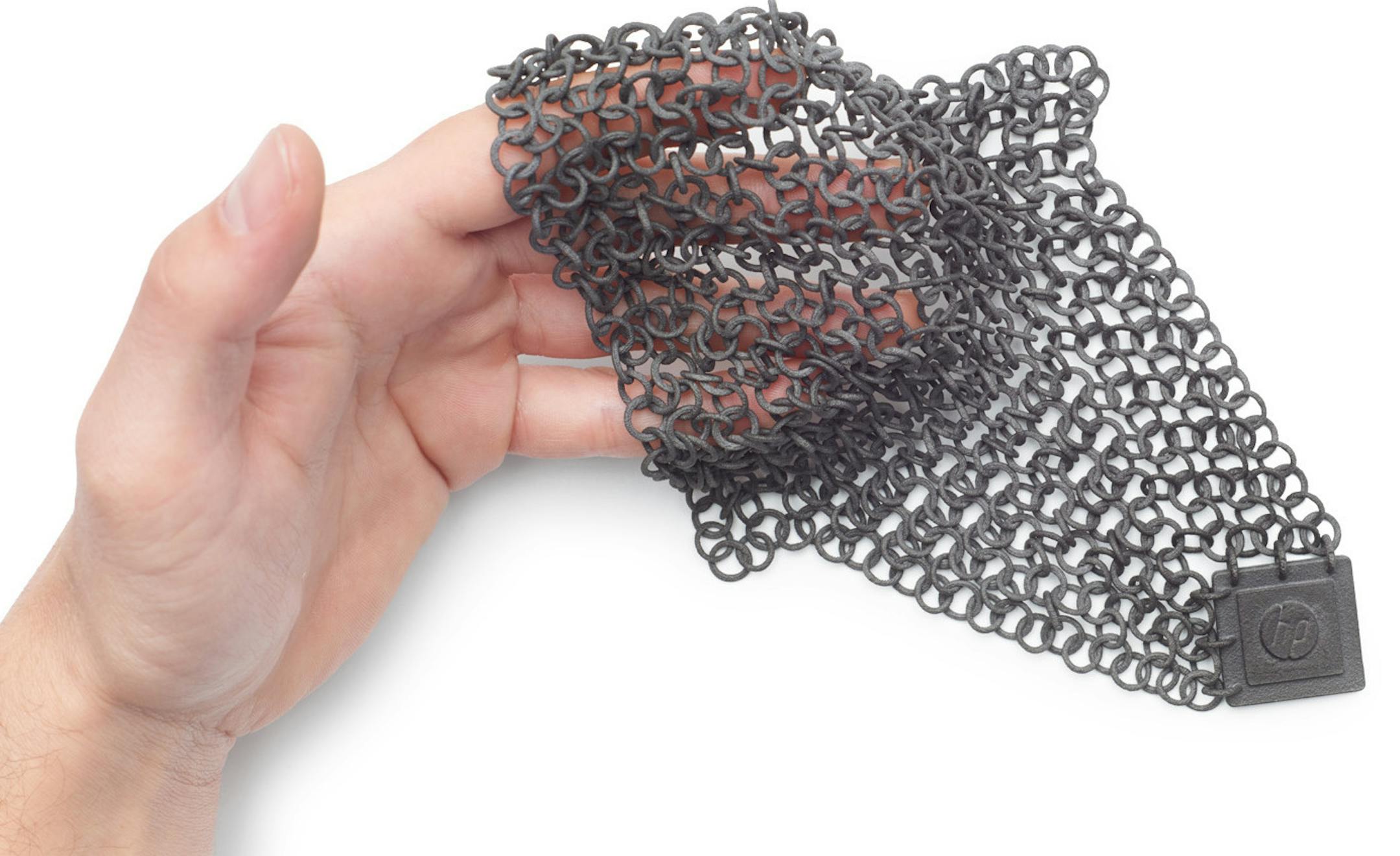
Chainmail product created using Hewlett-Packard's new mulit jet 3-D printer, which fuses nylon powder into various shapes and parts at 10 times the speed of past powder printers. Proto Labs recenlty bought three of the HP machines.
This chain-mail product was created using Hewlett-Packard’s multi-jet 3-D printer. Proto Labs added three of the machines, which quickly fuse nylon powder into shapes and parts. (The Minnesota Star Tribune)
(The Minnesota Star Tribune)
about the writer

about the writer

Dee DePass

Reporter

Dee DePass is an award-winning business reporter covering Minnesota small businesses for the Minnesota Star Tribune. She previously covered commercial real estate, manufacturing, the economy, workplace issues and banking.

See Moreicon

More from Business

See More
card image
Renée Jones Schneider/The Minnesota Star Tribune, Leila Navidi/The Minnesota Star Tribune

The holidays aren’t the time to question Minnesotans’ generosity. Neither is an election year.

card image
card image