Ten years ago, as new-vehicle sales were slipping and incentives were rising, auto manufacturers faced a potentially greater issue: Chinese brands were gearing up to sell low-cost vehicles in the U.S. that threatened to undercut the established brands.
The first Chinese vehicles were due to arrive as early as 2007, and industry analysts said it was almost certain they would be here by 2010.
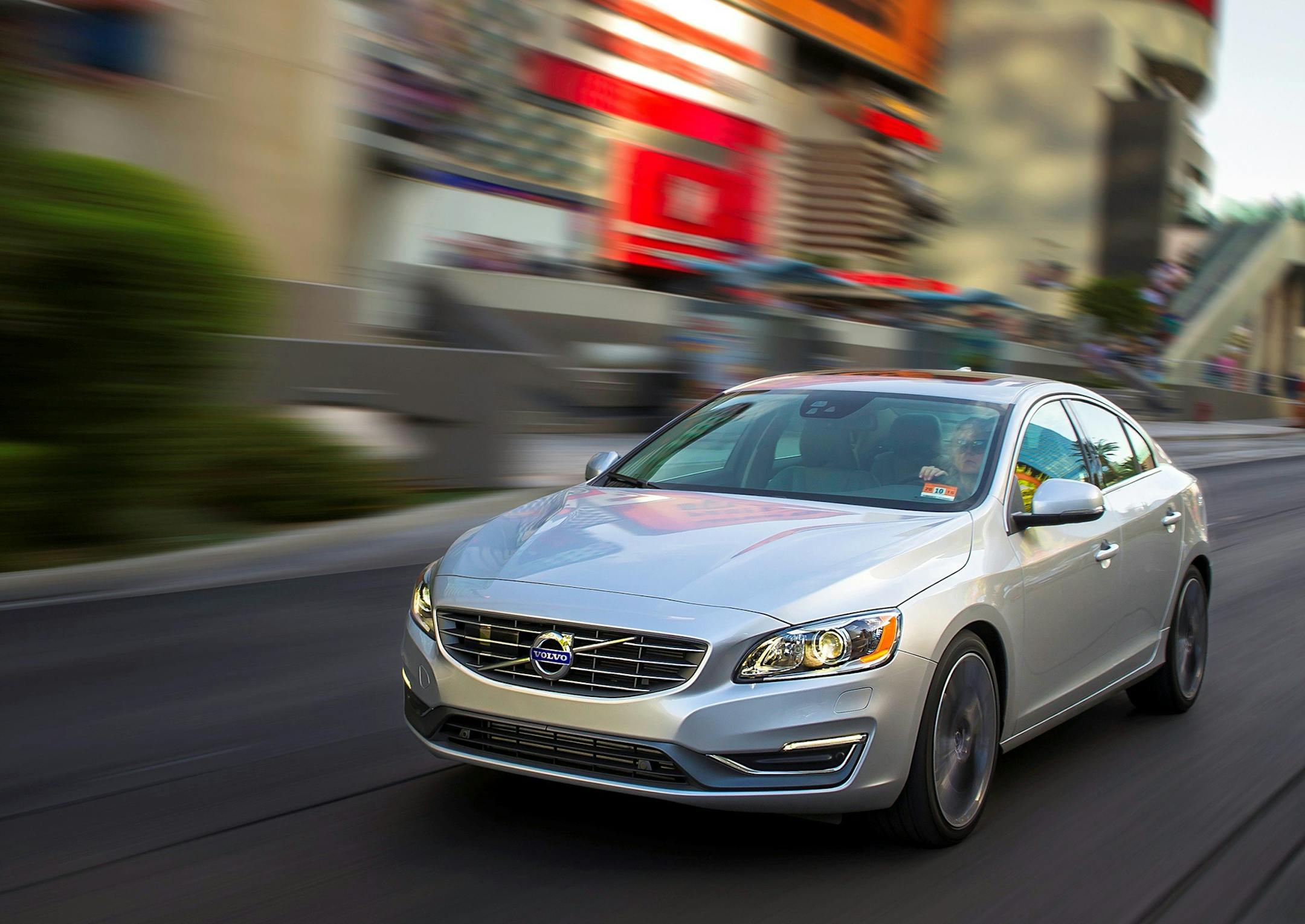
Fast forward to 2016, and the only Chinese car or light truck you can buy in the U.S. is the Volvo S60 Inscription, a stretched, luxury version of Volvo's midsize sedan. Volvo is now owned by Chinese manufacturer Zhejiang Geely.
The number of Chinese models available in the U.S. is due to double this summer, when the Buick Envision, a compact crossover SUV built by SAIC, will go on sale. Shanghai-based SAIC is a joint venture with General Motors, one of several such partnerships between Chinese and well-known international manufacturers.
What happened to all those plans, and will Chinese manufacturers ever get here?
"They came to the realization that their product wasn't ready for the U.S. Consumers here are very, very discerning, and if they launched cars with subpar quality that would really hurt them. Frankly, it would jeopardize any future plans to be successful in this market," John Humphrey, senior vice president of global automotive operations at J.D. Power and Associates.
Chinese manufacturers also had their hands full satisfying a rapidly growing domestic market, now the world's largest with annual sales of around 24 million new vehicles, some 6 million more than in the U.S.
Now, though, China has excess production capacity to supply the home market, so car companies and the Chinese government are looking again at overseas markets.