

Among the many ugly things about the Covid-19 pandemic is the way it divides Americans by economic class.
Those with money are shielded from the virus in countless ways. Among them: They are more likely to have the privilege of shifting to work from home (hand raised here), keeping their jobs and paychecks without myriad real-world exposures. Even if they are laid off, they are more likely to have resources to weather the financial storm without worrying about things like paying for housing and food.
The choices this class has needed to make in the last few months are real, but many of them have been questions of logistics, convenience and stress-management.
Those who cannot work from home — depending on their own labor or their own business, for example — have experienced that last few months in a way that is outside of my experience. The choice of whether to go to work at a grocery store or a restaurant is a false one in a lot of cases. When the question is whether to expose yourself to virus risk or stay afloat economically, the answer tends to be self-evident. You do what you have to do for yourself and/or your family.
It's offensive that the American economy is a driver of so much of our decision-making on a matter of public health. It's also illuminating that as the U.S. sports world makes plans to resume, these very same questions of economics and choice seem to be informing the decisions of athletes and institutions.
Several high-profile athletes have already made the decision to opt out of their respective leagues' return. Ian Desmond of the Rockies was among the most recent and thoughtful to do so, writing a long Instagram post that encompassed a lot of his history as a biracial man, social justice and concerns about Covid-19.
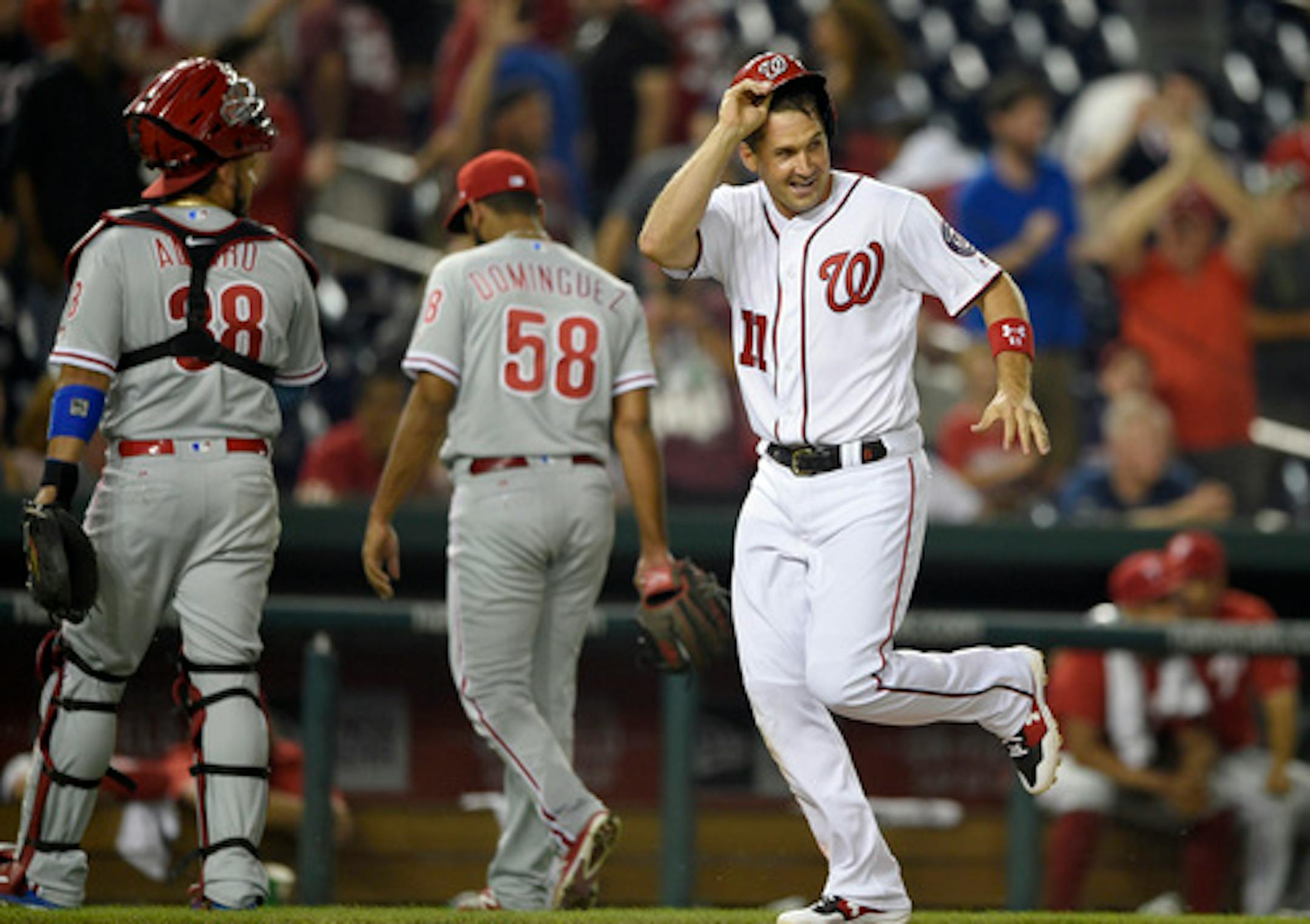
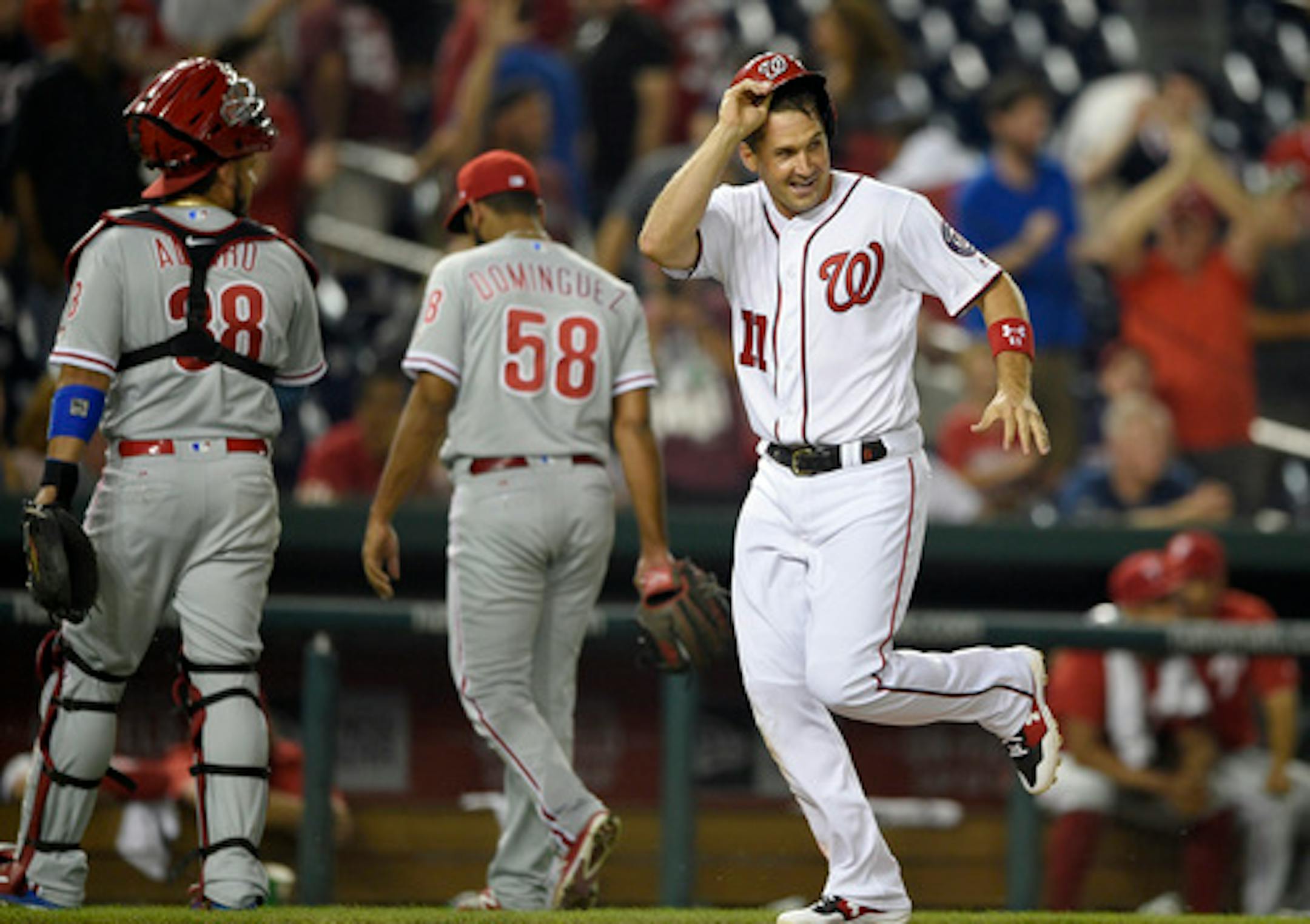
Ryan Zimmerman of MLB's Nationals opted out over health and safety concerns for his family. The NBA's Avery Bradley and Trevor Ariza are also opting out for similar reasons, with family at the forefront of their decisions.
Pro sports aren't exactly jobs you can do from home, of course. But it's interesting that many of those opting out so far are veterans who have earned tens of millions of dollars in their careers (all four players referenced above have made at least $50 million, per Baseball and Basketball Reference).


