

About three out of 10 Minnesota classroom teachers and unionized support staff are considering quitting or retiring this year, at least according to a recent survey by Education Minnesota, the state's big teachers union.
Applications for pension benefits are also up a lot so far this school year. Yet most of the teachers thinking of leaving the field are a long way from retirement.
It's not about pay. The job — classroom teacher, online teacher, infection control officer and front-line worker amid an infectious disease pandemic — has simply gotten harder.
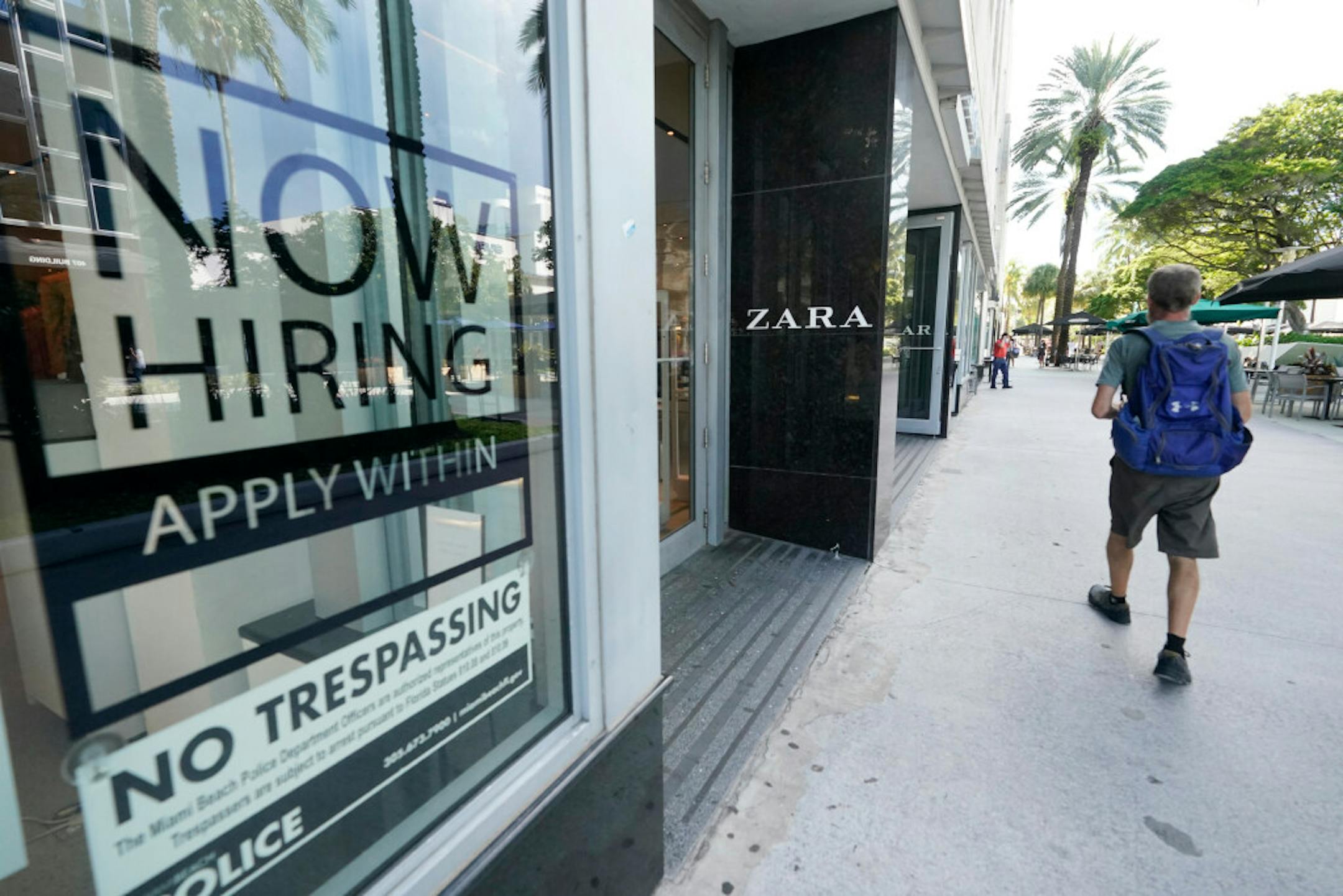
It's not just teachers who seem to be thinking like that. All over the country, people are giving up on work. The labor force participation rate is sinking.
This is telling us something important about the costs and benefits of work, something that employers and policymakers ought to be thinking more about.
Here in Minnesota the unemployment rate just dropped again, down to 6% in September, according to data last week from the Minnesota Department of Employment and Economic Development. Yet that's largely because of the number of people who dropped out of the labor market.
That means they are not working anymore and they are not really looking for work.
One explanation for a lower participation rate is obvious: job losses are still continuing. On top of that, people appear to be putting off job searches until the odds improve that they can find a good job. There are twice as many unemployed in the country, at last count, than there are job openings.


