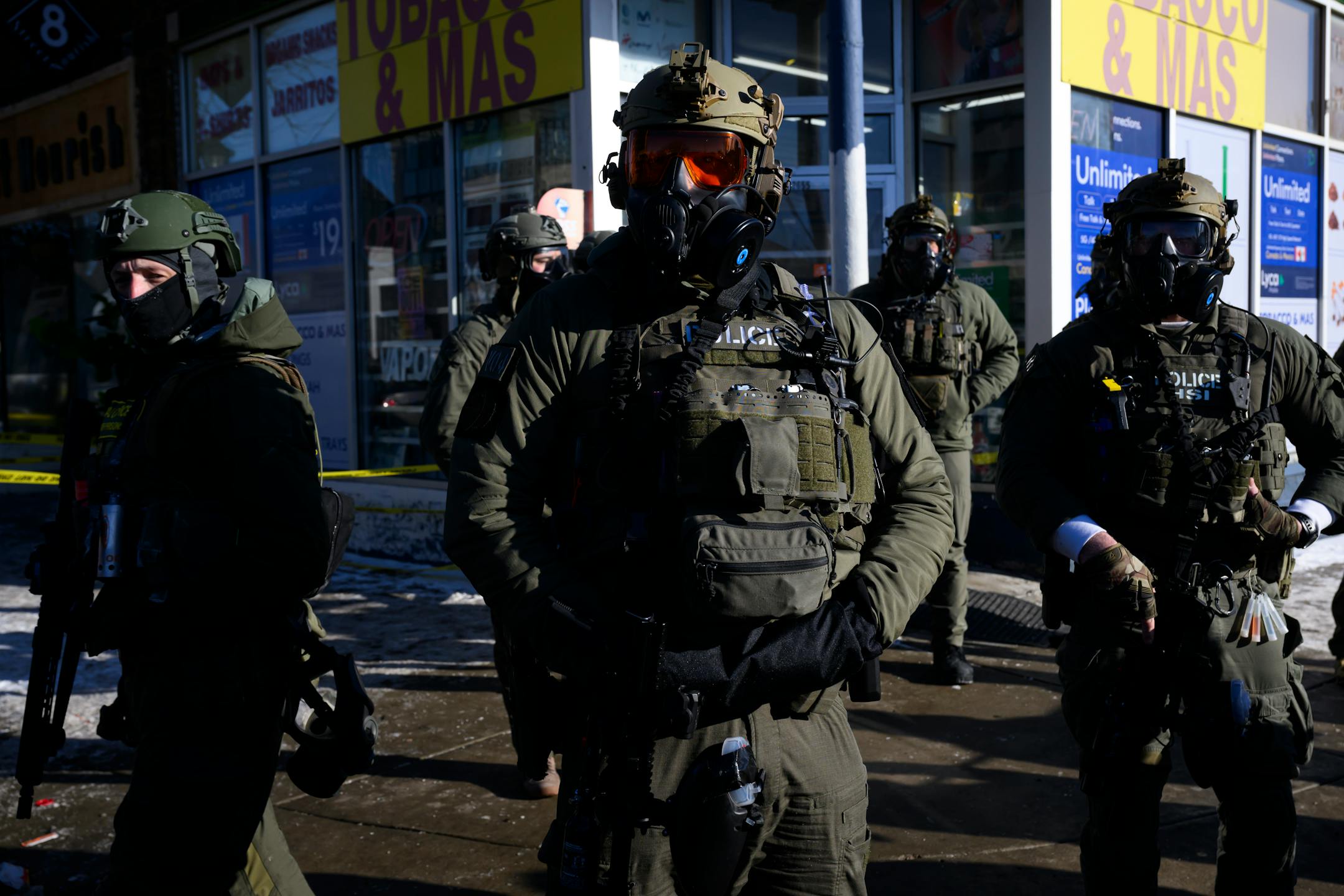
In an escalating confrontation between the federal judiciary and immigration authorities, Minnesota’s Chief U.S. District Judge Patrick J. Schiltz ordered the acting director of Immigration and Customs Enforcement to appear personally in court, accusing the agency of repeatedly defying court orders and declaring that the court’s “patience is at an end.”
In a sharply worded order issued late Monday, Jan. 26, Schiltz summoned Todd Lyons, ICE’s acting director, to explain why he should not be held in contempt, writing that the agency has ignored “dozens of court orders” in recent weeks and that its failures have caused “significant hardship” for immigrants — many of whom, he noted, have lived and worked in the United States for years and “done absolutely nothing wrong.”
The Department of Homeland Security criticized the order Tuesday, with Assistant Secretary Tricia McLaughlin calling Schiltz an “activist judge” and accusing the court of interfering with ICE’s enforcement work.
In a statement, McLaughlin said DHS would not let anything “slow us down from removing criminal illegal aliens from our streets.” The agency did not directly address the judge’s findings that ICE has repeatedly failed to comply with court orders.
Schiltz detailed the consequences of ICE’s noncompliance: detainees held longer than judges allowed, people transferred out of Minnesota despite court rulings, and others flown to Texas only to be released there “and told to figure out a way to get home.”
The judge said ICE had repeatedly assured the court that it understood its obligations and had taken steps to comply going forward. “Unfortunately,” he wrote, “the violations continue.”
Lyons is scheduled to appear in court on Friday unless ICE comes into compliance before the hearing. Schiltz, who was appointed by President George W. Bush, said the requirement for Lyons’ appearance could be lifted if the agency fulfills the court’s orders.
If not, the hearing would place the head of a federal law enforcement agency before a judge to answer, in person, for continued violations of court rulings — a rare and consequential moment in the legal fight over immigration enforcement in Minnesota.