

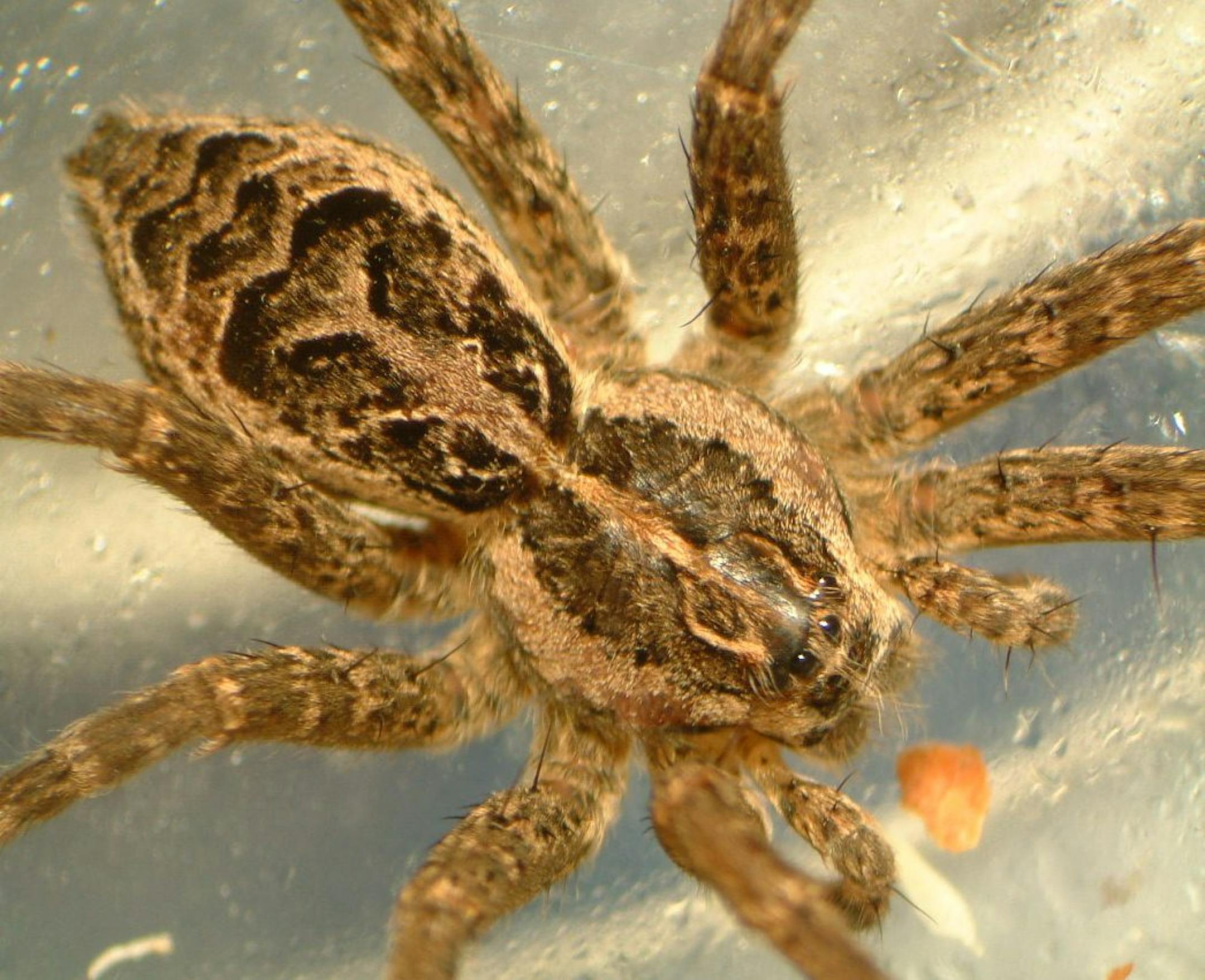
Growing as big as a person’s palm, fishing spiders — the largest spiders in Minnesota and the Midwest — can make people jump, startled by their size and speed.
“It’s a very big, intimidating spider,” said Chad Heins, associate biology professor at Bethany Lutheran College in Mankato. “They’re harmless. They don’t have an inclination to bite you — unless you try to grab them.”
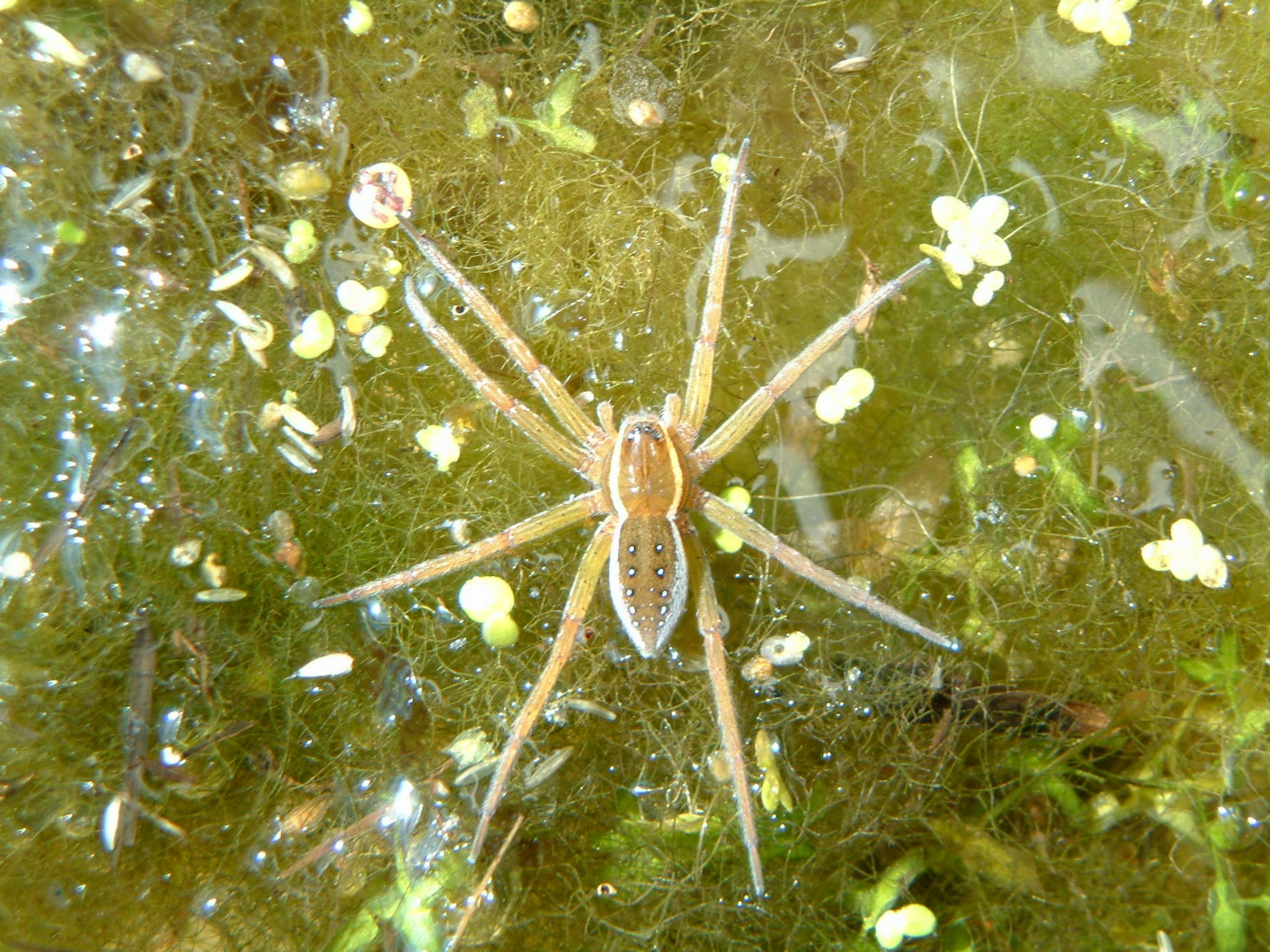
They’re also among the most visible spiders in the state, with the six-spotted fishing spider hanging out by docks, dangling from lake vegetation or seen atop lily pads. There, they wait for minnows, tadpoles and even small fish to swim near the surface to be captured.
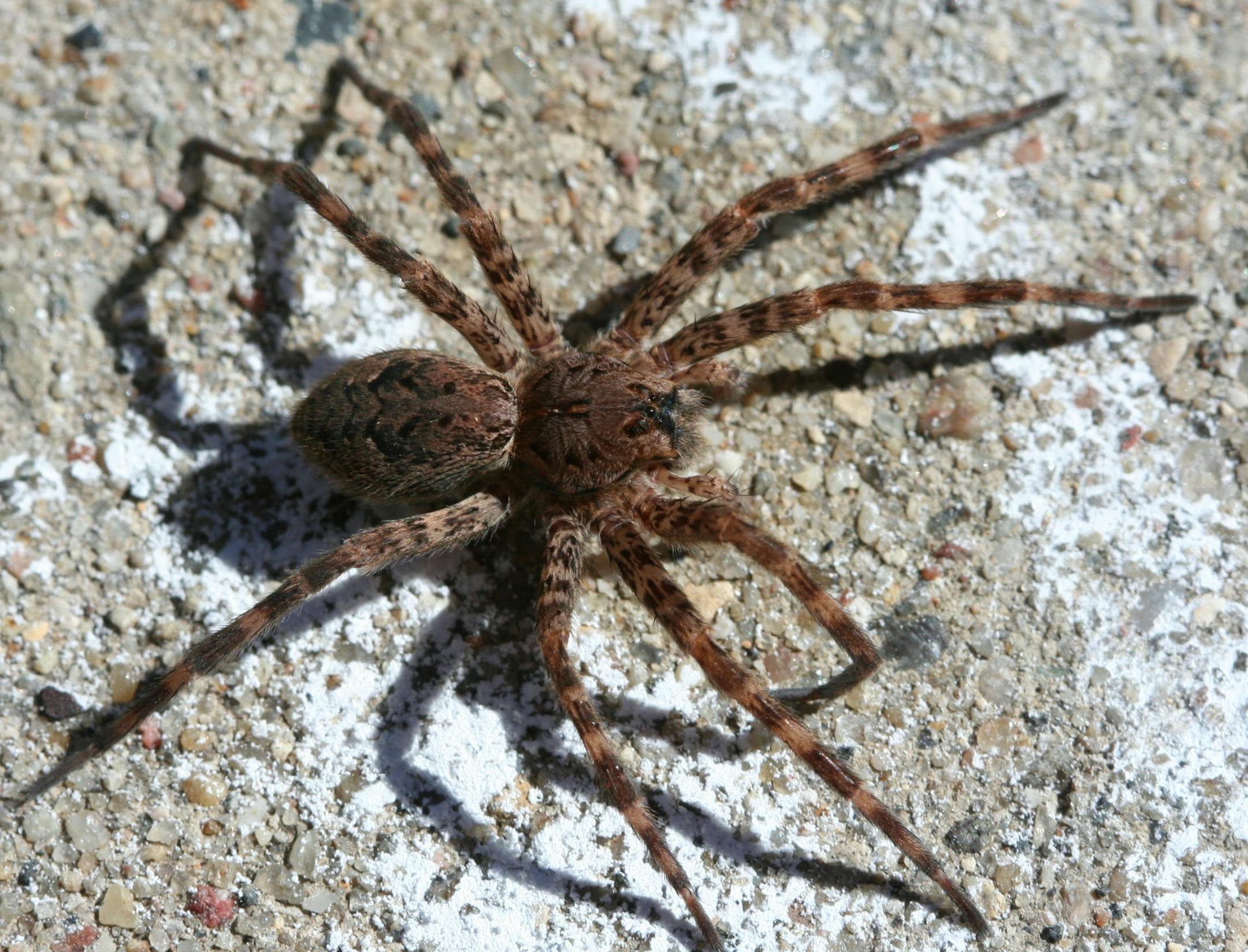
A striped fishing spider favors the edge of bogs and wetlands, while the dark fishing spider, banded fishing spider and another type of striped fishing spider prefer woods or forest edges. They blend into tree bark or the ground so they can chase down crickets, grasshoppers and even fellow spiders.
All of them are considered hunters rather than web-spinners. Good eyesight allows them to hunt in the dark, Heins said. They bite their prey, injecting a venom to shut down their victims’ nervous system and liquify their organs. Because spiders lack the mouth parts for chewing, they have to suck the nutrients they need.
This time of year, it’s possible to catch sight of a female fishing spider carrying a light-colored egg sac beneath her. The one time she’ll create a web is when she tucks the egg sac beneath a leaf and spins a protective tent to be guarded until potentially a thousand of them hatch.
Mating can continue into the fall, Heins said, and by winter the young and adult spiders release a kind of antifreeze into their bodies to enter a torpid state until it’s safe to thaw and go hunt again.
Lisa Meyers McClintick has freelanced for the Minnesota Star Tribune since 2001 and volunteers as a Minnesota Master Naturalist.


