Editor's Pick

Editor's Pick

With Northstar rail on fast track to closure, one city tries to pull the brakes

Anoka is worried about losing the train station as the northern suburb works to redevelop the area around it.

The Minnesota Star Tribune
October 27, 2025 at 11:00AM
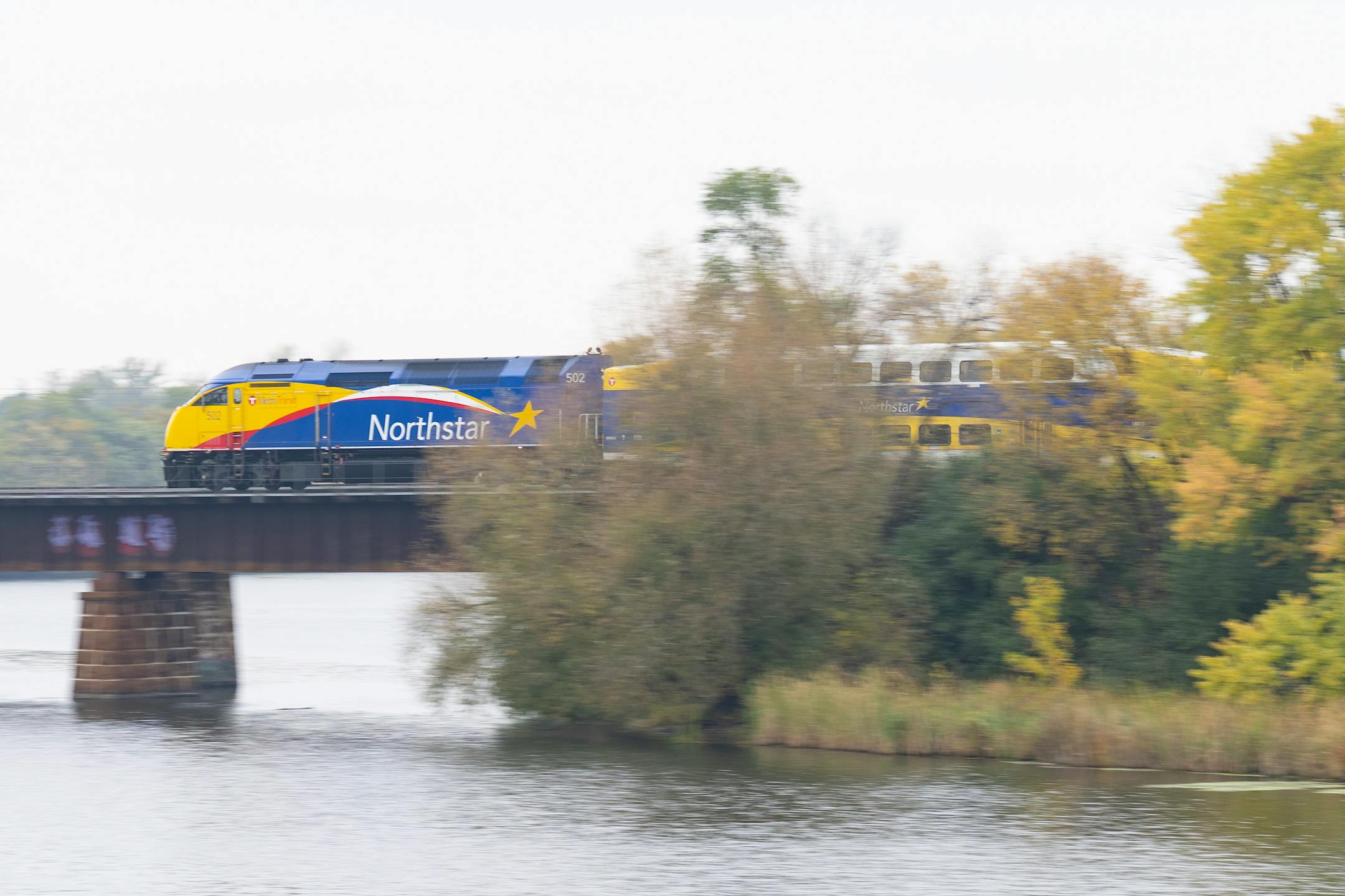
A southbound Northstar Line train crosses a railway bridge over the Rum River in Anoka on Oct. 16. (Alex Kormann/The Minnesota Star Tribune)

The Anoka Station along the Northstar commuter rail line was a sign of progress to come, a place where people could hop aboard the train or visit a bustling, redeveloped area of the northern suburb.

But the fast approaching demise of the Northstar line has derailed that plan. When the last train barrels down the tracks in January, Anoka officials worry the station infrastructure will be ripped out — leaving the city with an unusable parking ramp and the risk of having to pay back federal money.

The Anoka mayor and council members have been outspoken critics since the Metropolitan Council in August voted to suspend the ill-fated rail service between downtown Minneapolis and Big Lake due to low ridership and high costs. The city is trying to slow down the closure, as suburbs along the line unravel property agreements and contemplate a future without Northstar.

Unwinding the $320 million endeavor has caused whiplash for the northern cities that got on board with accommodating the line less than 20 years ago and planned new neighborhoods to complement it.

Anoka, in particular, wants to pull the brakes. The suburb is up against a short deadline, complex contracts with the state and railroad, and the attitude that too much time and money already has been poured into a commuter rail that failed to meet expectations.

The Northstar Commuter Rail, which struggled from the beginning, has long drawn criticism and calls from Republican lawmakers to shut it down.
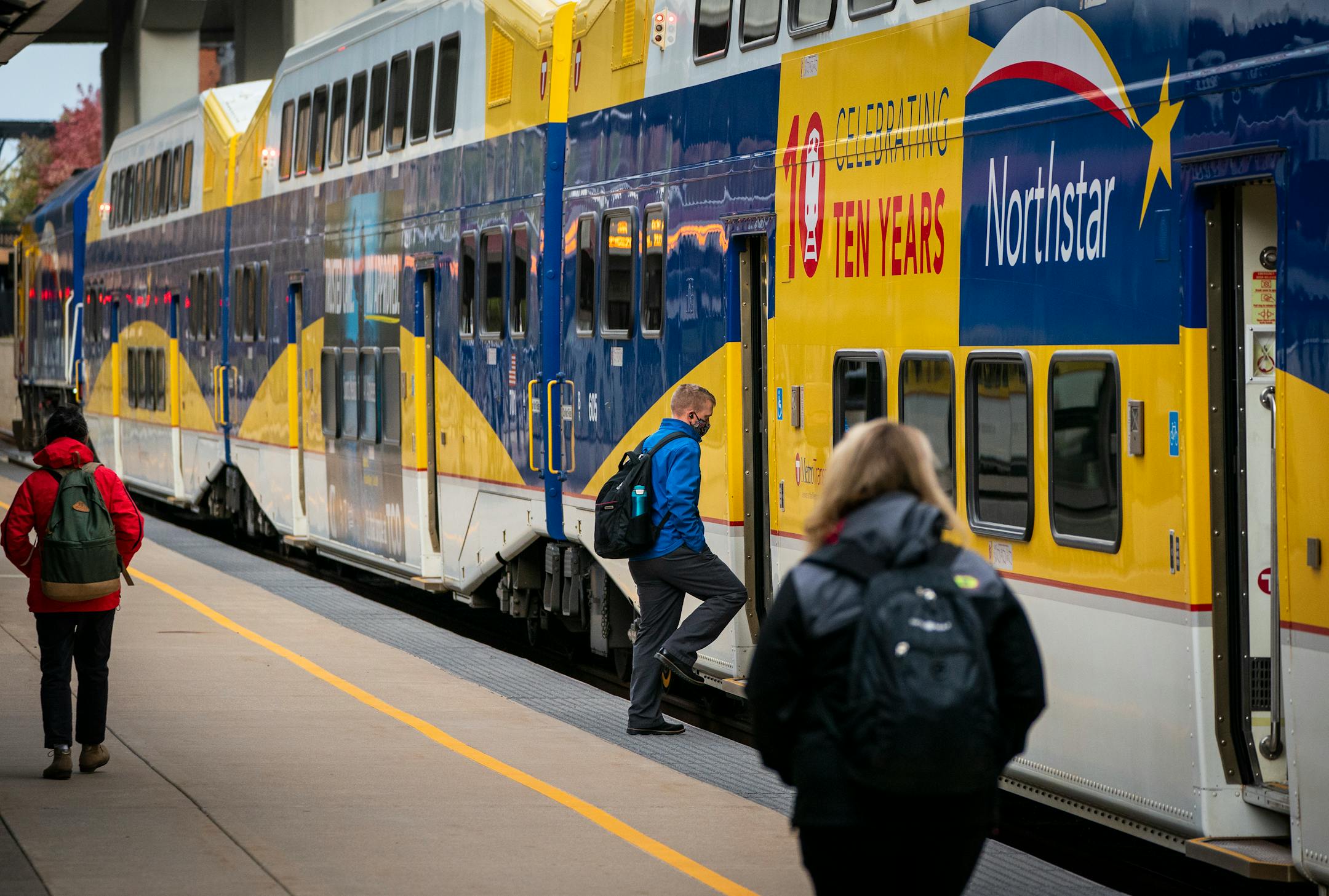
Commuters boarded the Northstar train at Target Field station in Minneapolis in 2020. The pandemic pushed previously low ridership numbers even further down. (Leila Navidi/The Minnesota Star Tribune)

“I don’t understand why anybody, liberal or conservative, would be OK with ripping out almost new infrastructure,” Anoka Mayor Erik Skogquist said. “Sports stadiums last longer than this is lasting.”

Anoka officials are pushing to retain at least pieces of its train station, after the city snapped up nearly 40 acres of nearby warehouses and aging properties, with a vision of redeveloping the area as an extension of its bustling downtown.

Metro Transit spokesman Drew Kerr said state leaders are working with Anoka and others to determine whether Northstar stations and surrounding infrastructure will be removed or kept for other uses.

Northstar, with operations costing $18.6 million in 2025, will be replaced with bus service reported to cost $3.5 million next year.

Kerr said by switching to bus service, riders will benefit from nearly 400 trips each week at all times of day, at a lower cost than commuter rail. He said that compares to only 40 Northstar trips each week, a schedule limited because of BNSF Railway’s use of the tracks.

The last Northstar train is expected to run after the final Vikings regular season home game, with express bus service starting Jan. 5 along the route from downtown Minneapolis north to Big Lake and Elk River.

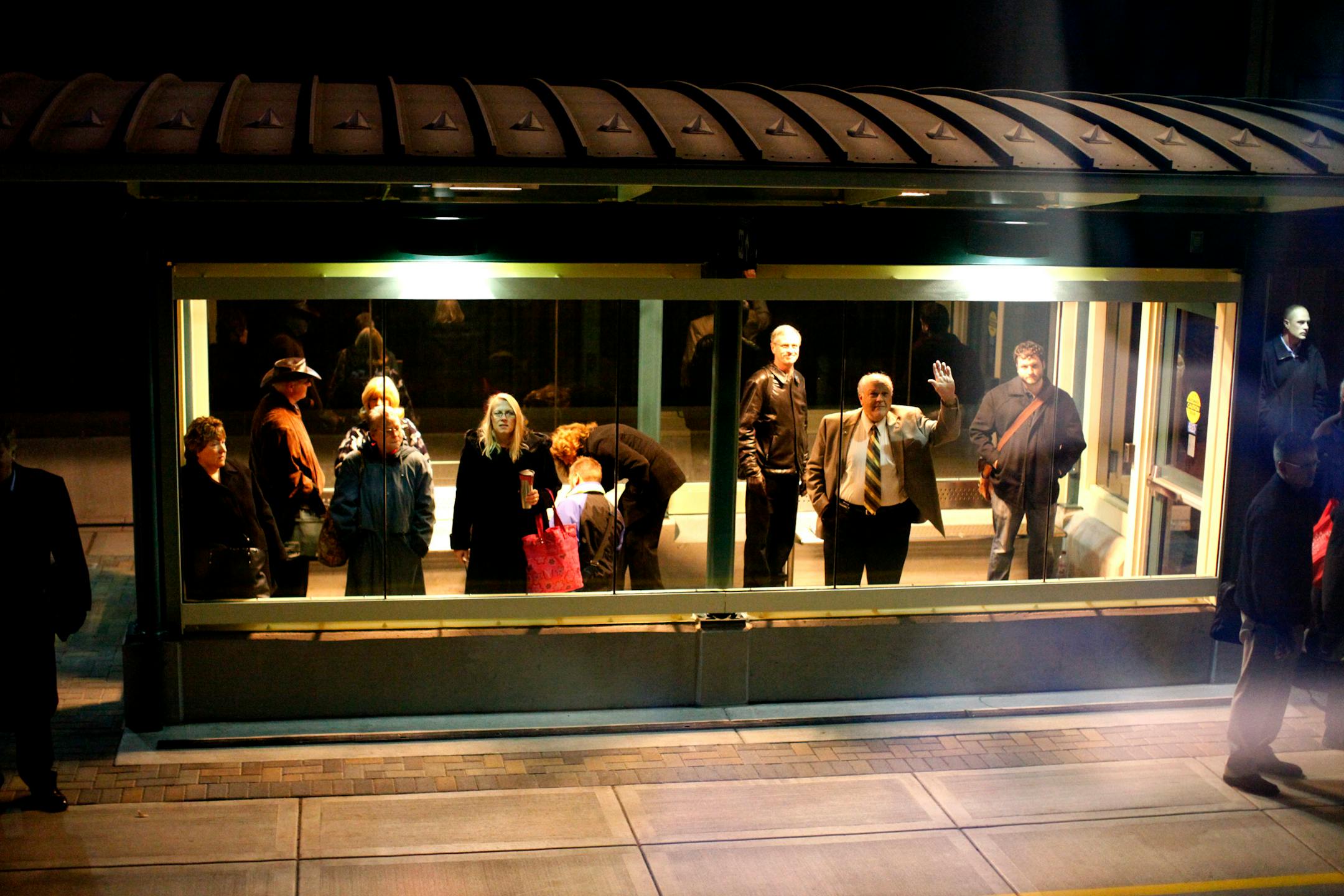
On Nov. 16, 2009, the Northstar commuter train's first day, then-Anoka county commissioner Dan Erhart, right, waved from the Coon Rapids station as the northbound train passed by on its way to Big Lake. (Jerry Holt/The Minnesota Star Tribune)

‘The least usable train’

When the Northstar Commuter Rail opened in 2009, Skogquist welcomed what he felt was a rare, large regional investment in the northern suburbs.

But the line struggled with low ridership, which plummeted during the pandemic, a restricted schedule and questions about why it was never extended to St. Cloud. In 2019, Northstar had 2,660 riders on the average weekday, according to the Met Council. This past June, it averaged 428.

“It wasn’t helped by the state, to make it the least usable train I’ve ever seen,” Skogquist said.

Anoka city officials have threatened litigation to slow down Northstar’s closure as many of their concerns remain unresolved. Skogquist said it’s unclear whether the city may be on the hook for paying back federal grant money provided for the station area.

City officials have advocated to save the station for potential future transit services.

But a spokesperson for BNSF said in an email that to ensure the “highest levels of safety, it is essential to remove unused infrastructure adjacent to active rail lines.”

The statement said nonoperational structures can attract safety risks, a concern “heightened along busy routes like this one — the state’s busiest freight corridor — where a secure and controlled environment is vital."

Anoka’s Northstar station, about a half-mile north of downtown, includes a parking ramp and pedestrian overpass with two towers, one of which is located in BNSF right-of-way. That tower has an elevator providing access to the $10 million parking ramp, which makes the structure ADA compliant.

If that’s removed, Skogquist said the structure would no longer be functional and would cost the city up to $2 million to remedy.

After the Anoka council said they would explore legal action, the Met Council said in an email to the city that it could no longer “continue as an intermediary with BNSF.” It directed the city to “advocate for its own interests.”

Skogquist said Anoka has decided to “try to take the bull by the horns” and push to save some of the station.

The mayor said he’s frustrated by the idea of newer infrastructure being removed while “the state is investing in light rail elsewhere” in the metro, including the Green Line extension in the southwest.

“There’s a little bitterness out here in that,” he said.

Conductor Vincent Roberts walks the Big Lake platform on Nov. 16, 2009, as the 7:19 a.m. Northstar train prepared to depart for downtown Minneapolis for the first time. (Jerry Holt/The Minnesota Star Tribune)

Community center, housing floated for district

Anoka resident Joe Riley said one reason he bought his house was its proximity to the Northstar line, where he could catch a train to work in downtown Minneapolis.

“It’s sad to see it go,” Riley said.

Cities banked on residents like Riley being attracted to Northstar. Anoka used tax increment financing to purchase old warehouses to redevelop its 100-acre station area.

Since Northstar opened, some new townhomes and senior housing have opened. Former Anoka Mayor Bjorn Skogquist, brother of the current mayor, said the area has faced challenges, including environmental concerns from old industrial operations.

Officials last year studied how to re-envision the station area. Now they are considering how those plans might look without Northstar running.

Developers have shown interest in the district in recent years, including a past proposal to build a food hall and apartments. Now city leaders are studying whether a community center would be a good fit. This month, the council advanced a plan for a four-story, 131-unit apartment building on a parking lot that has served the Northstar.

But without commuter rail, officials are considering how to market the area, hoping that bus service still will offer a draw for developers interested in building near public transit. They argue more consistent bus service will be crucial.

“So we’re not trading out spotty train service they don’t want to pay for, for spotty bus service they don’t want to pay for,” Bjorn Skogquist said.

about the writer

about the writer

Sarah Ritter

Reporter

Sarah Ritter covers the north metro for the Minnesota Star Tribune.

See Moreicon

More from Twin Cities Suburbs

See More
card image
Ayrton Breckenridge/The Minnesota Star Tribune

The resolution of the dispute between Orono and Long Lake follows years of strife between the cities over who should control fire services.

card image
card image