

Opinion editor’s note: Strib Voices publishes a mix of guest commentaries online and in print each day. To contribute, click here.
•••
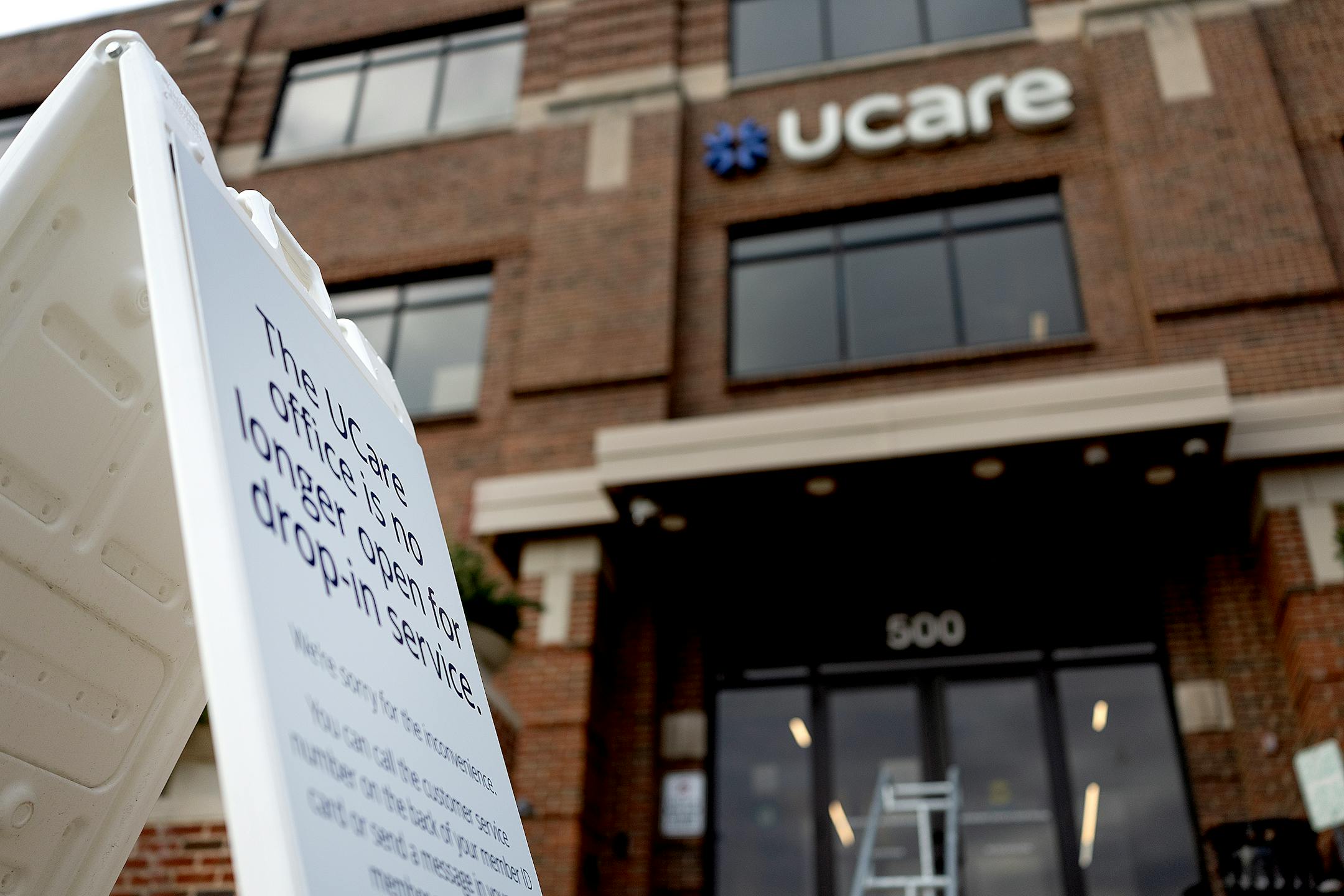
The demise of UCare comes as no surprise to those who have been watching Minnesota’s medical assistance program (“Insurer UCare to shut down next year as financial losses mount,” Nov. 18). What is surprising is the absence of involvement of state officials and regulators in this predictable misfortune.
Equally of interest is the tacit assumption that UCare’s 300,000 Medicaid enrollees will simply be “sold” to Medica. I believe that Minnesota Medicaid enrollees can pick a health maintenance organization during the annual health plan selection period, which typically occurs in the fall for changes effective the following Jan. 1. They can also choose a new plan within the first 90 days of a new enrollment. It will be important to determine whether enrollees are, indeed, given these options.
The most important questions remain unanswered.
1) How and why did this happen? UCare has said it was Medicaid payments. Then it blamed Medicare Advantage. Then the cost of GLP-1 drugs. Which one was it? Whatever it was, why did it affect only UCare? There are other insurers outside Minnesota who focus on public program enrollees — why haven’t they collapsed?
2) Are the UCare Medicaid enrollees going to be given a chance to select another insurer that participates in Minnesota’s prepaid medical assistance program? What if people want Blue Cross or HealthPartners? Will they now be forced to accept Medica?
3) If the Medicaid payment system is so toxic, why is Medica taking over these UCare contracts? Why Medica? Are Medica’s commercial clients concerned about this? Has the state provided some special consideration to incentivize Medica?


