

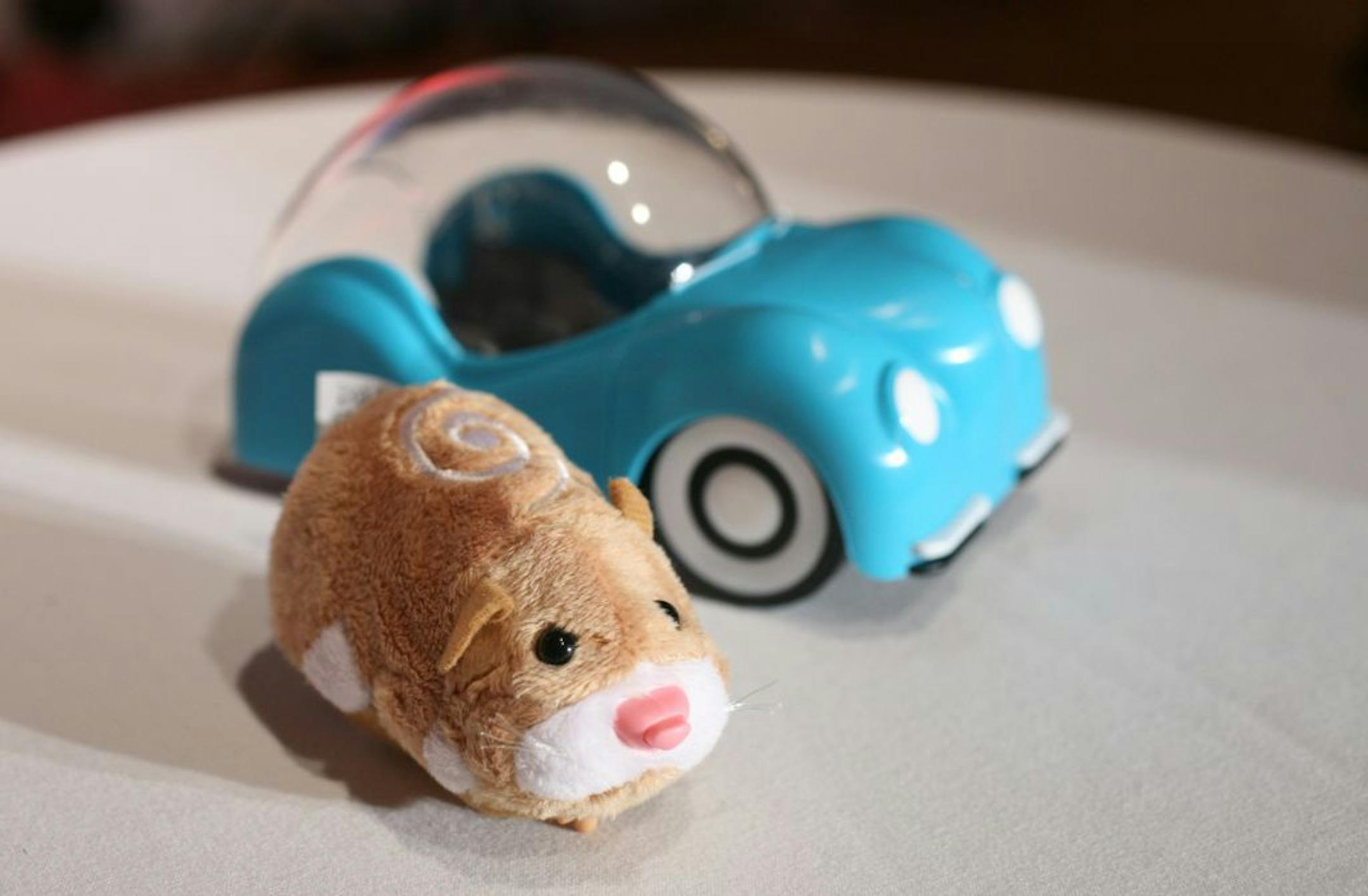
Calling the next Zhu Zhu Pet, Tickle Me Elmo or Furby.
Retailers are hoping for a hot toy in 2012 to attract shoppers, but the "it" toy phenomenon has become less reliable due to the recession, the rise of social media and an abundance of choices.
In years past, hot toy sellouts had parents trolling websites, calling retailers to check on shipments and putting their names on waiting lists. But since 2009, no toy has been such a breakout hit.
Did consumers kill the hot toy phenomenon during the recession? "They certainly made it more difficult," said Roberta Bonoff, president and CEO of Creative Kidstuff toy stores.
Shoppers are more sophisticated now, Bonoff said, and they respond to buzz from other consumers, not just marketing from manufacturers. They are less likely to be influenced when manufacturers release limited quantities to create artificial shortages. "They don't want to be manipulated by the industry," she said.
One challenge is that it's difficult to be a big seller and be scarce at the same time, said Sean McGowan, a leisure and lifestyle analyst at Needham & Co. Inc in New York.
People think it's only a "hot toy" if there are massive shortages around the country, McGowan said. But toys that are popular and well-stocked can sell many more than one that is hot but in short supply.
Furby, for example, sold well 12 years ago despite shortages. But it's back this year and will probably sell more this year than it did then.


