Sitting on the pavement outside the Lagos state government secretariat, Empero flicks through newspapers, looking for jobs. "We are smiling and we are dying," said the 36-year-old, a town planner by trade.
Nigerians are known for their dramatic turn of phrase. But recent events may justify such rhetoric.
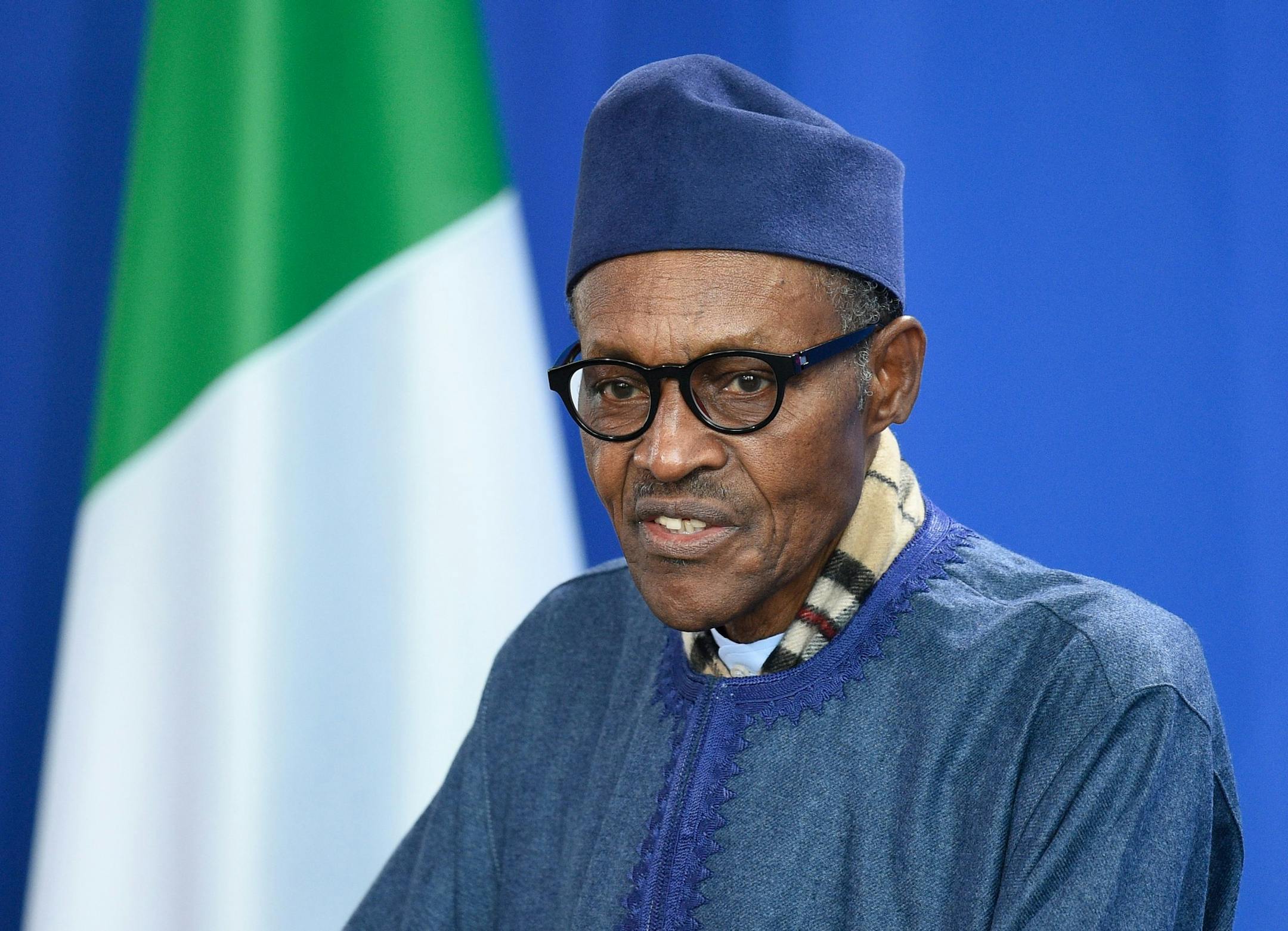
The economy shrank by 1.5 percent in 2016. Inflation has more than doubled to 18.7 percent in 12 months. Meanwhile, the president, Muhammadu Buhari, has been out of the country since Jan. 19, receiving treatment for an undisclosed illness.
There could hardly be a worse time for the 74-year-old former military dictator to be incapacitated. But much of the blame for Nigeria's current economic troubles can be laid at his door.
Buhari was elected in March 2015 promising to defeat Boko Haram, the jihadist group terrorizing the country's northeast, and to tackle endemic corruption. He had on his side a wave of hope; he was the first Nigerian opposition leader to oust an incumbent peacefully at the ballot box, despite his authoritarian past.
On national security he has made progress: Boko Haram, now splintered, no longer controls any big towns. But it is far from defeated, as the government has claimed in the past couple of years.
With many farmers still unable to return safely to their fields, hunger stalks the region: 450,000 children are severely malnourished. Elsewhere, clashes between Muslim Fulani herdsmen and largely Christian farmers in southern Kaduna have killed at least 200 people since December.
Oil production has not fully recovered after militants attacked pipelines and rigs in the Niger Delta last year. When it comes to corruption, a number of bigwigs have been arrested and bags of seized money paraded before the media. Yet there have been no high-profile convictions yet. The state may be led by a former strongman, but it is still fundamentally weak.