New emergency shelter opens in Twin Cities suburb to help homeless residents

The shelter in Stillwater is the first of its kind in Washington County and could be a model for other suburbs where such facilities are rare.

The Minnesota Star Tribune
November 20, 2025 at 9:52PM
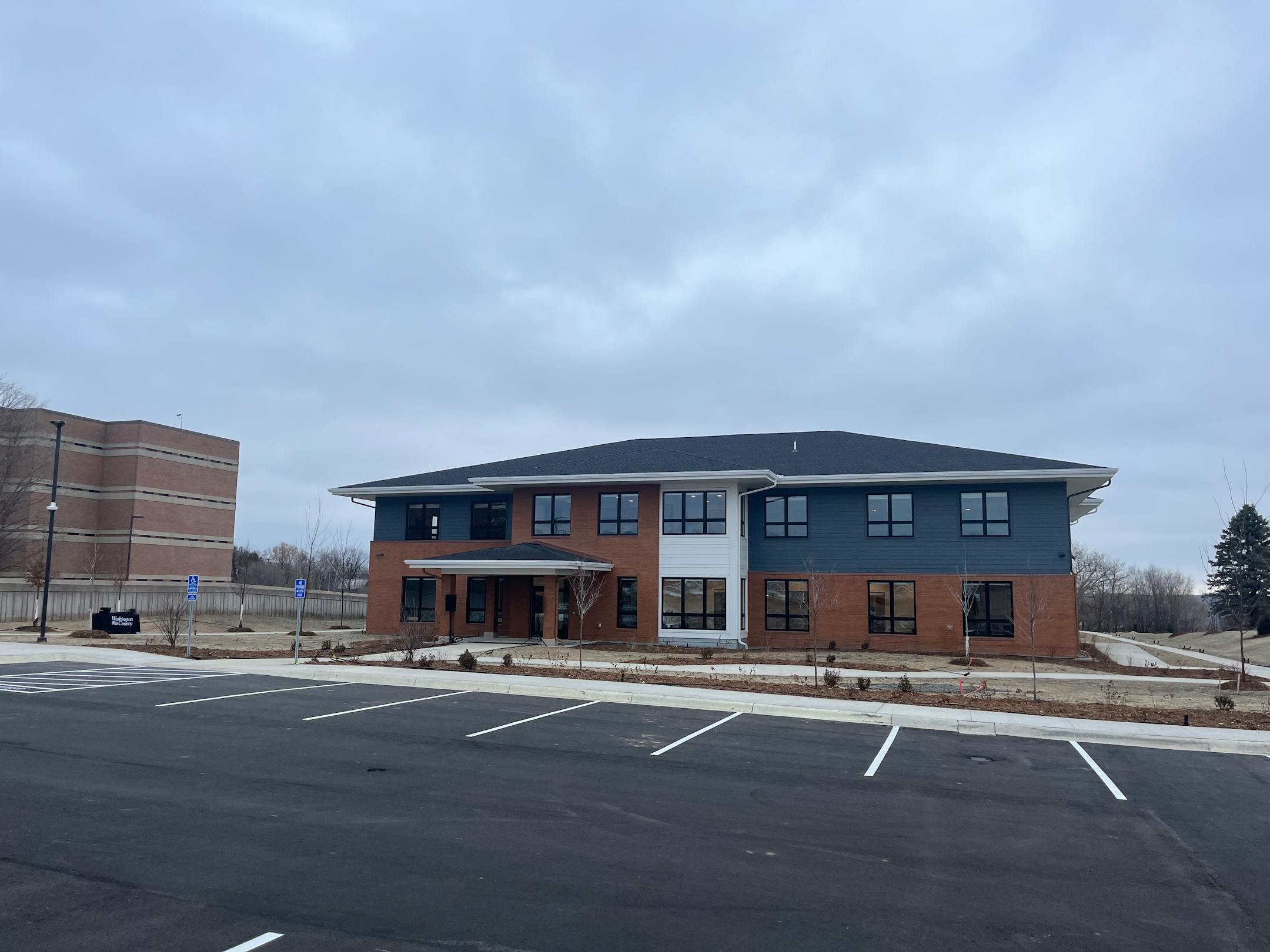
The two-level Emergency Housing Services Building is seen in Stillwater.
Washington County built an Emergency Housing Services Building in Stillwater to house 30 people experiencing homelessness. Residents will begin moving in in December. (Eleanor Hildebrandt/The Minnesota Star Tribune)

The new building off of Hwy. 36 and Osgood Avenue in Stillwater looks like a small hotel, with 30 individual furnished rooms with private bathrooms, plus common spaces, including a library and a dining room.

But it’s actually Washington County’s new emergency shelter, and it will soon house adults experiencing homelessness.

The shelter is the first of its kind for Washington County and one officials hope could be a model for others across the Twin Cities suburbs, where shelters are scarce. Many suburban counties, including Washington, have used or converted hotels to house homeless residents, but plans to build dedicated shelters often face community pushback. Dakota County’s plan for a similar building was paused nearly two years ago.

Homelessness is often considered a more urban issue, but people across the Twin Cities have increasingly struggled to afford housing as the cost of living rises. About 13% of the people experiencing homelessness in Minnesota said their last permanent address was in the suburbs, Wilder Foundation researchers found in a 2023 survey.

“Even if you don’t see what you think is stereotypical homelessness everyday, you do see people experiencing homelessness at the grocery store or working next to you,” said Jen Castillo, Washington County’s director of community services. “These are our community members.”

The new building, near the Washington County Government Center, will open to residents in December. The $12 million project was funded by state grants. The annual operating budget will be approximately $1.4 million.

Michelle Pribyl, housing studio leader at LHB, the architecture firm that designed the shelter, said Washington County initially looked at converting hotels to shelters in 2021.

“It wasn’t a great fit, but luckily this land was available,” Pribyl said. “It allowed us to connect with the community and customize our build ... and think about how people live in a space.”

LHB is also designing a family-focused shelter in Coon Rapids and two adult shelters in Minneapolis, Pribyl said. All three are expected to open in 2026.

Resources for people in need are often spread out across the suburbs, said Michelle Decker Gerrard, senior research manager at the Wilder Foundation. She said the lack of affordable housing and need for transportation often create instability.

“These folks are struggling to get around because there’s greater distances and harder to get to your job,” she said.

Controversy often surrounds these projects, Decker Gerrard said.

Most people think these buildings will “attract” more people experiencing homelessness to an area, but it tends to be people “coming out of the shadows” to use the resources, she said.

How the housing will work

Washington County’s Homeless Outreach Services Team will refer the people to live in the building.

The facility will likely be full within a few weeks, Castillo said, due to the number of people who are experiencing homelessness in the county. Officials expect people will live in the shelter for 30 to 90 days while getting back on their feet.

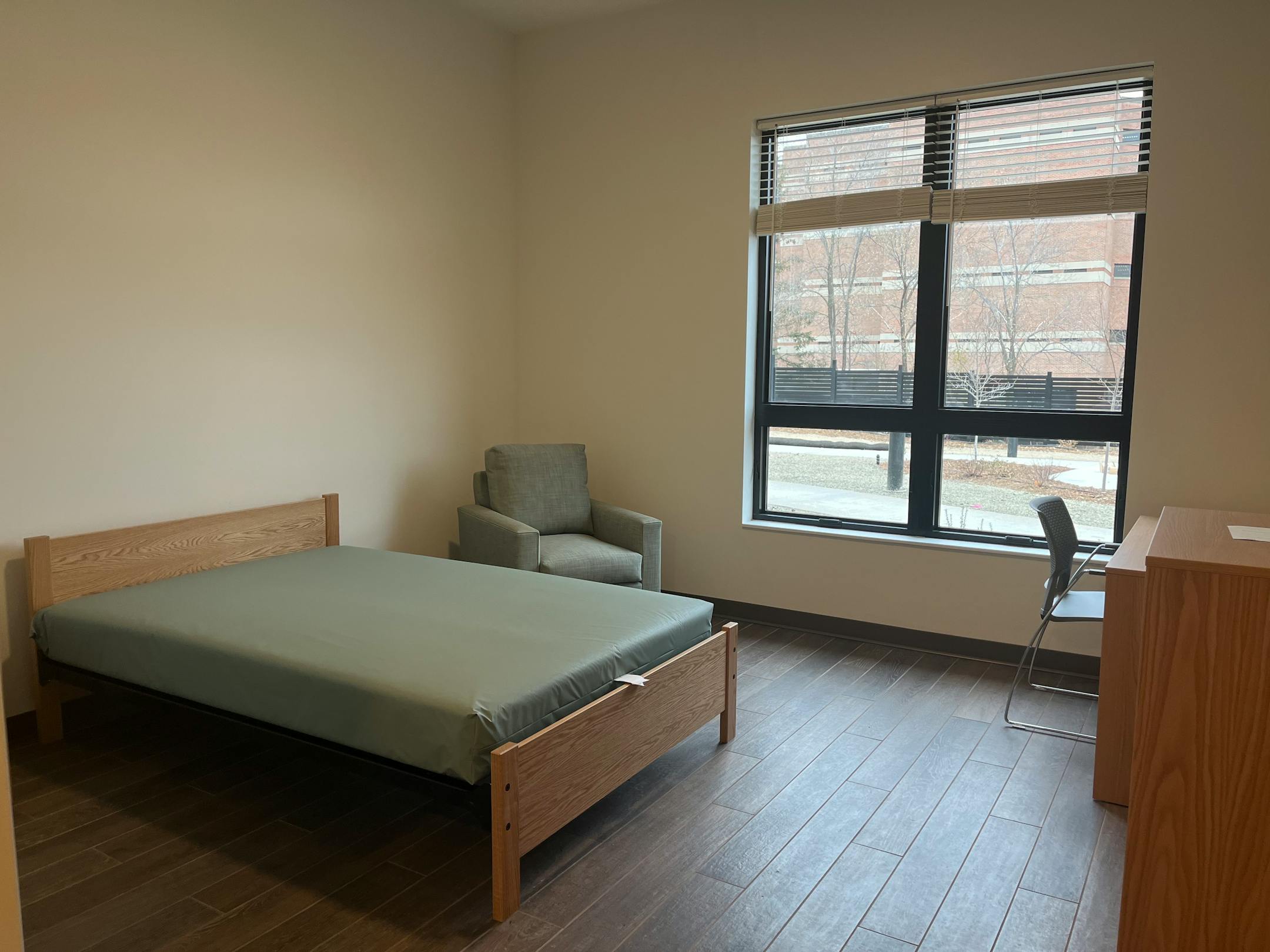
A bed, chair, desk and dresser are seen in a room at Washington County's Emergency Housing Services Building.
Every room has a bed, desk, dresser and chair for residents. The Emergency Housing Services Building has multiple ADA-specific rooms on the first floor. (Eleanor Hildebrandt)

Cathy ten Broeke, executive director of the Minnesota Interagency Council on Homelessness, said it’s key that the Washington County project offers privacy for residents.

“Privacy was so important during the pandemic to keep people safe, but it also really taught all of us the importance of how much people need and value privacy for healing,” she said, “and being able to move on to the next stage in their lives.”

The building also has rooms specifically built for people with disabilities. Sarah Tripple, the county’s community services division manager, said the needs of people with disabilities became clear when the county used hotels as temporary shelters during COVID.

“We saw a lot more seniors or people with disabilities,” Tripple said. “The average age for someone experiencing homelessness is in the 50s and is getting older. We’ve seen more cases in their 70s when there’s an unexpected hardship or medical emergency.”

Castillo said most older residents are on a fixed income, and when rent increases, they are “squeezed out” of their homes.

Washington County is partnering with the nonprofit Stepping Stone, which will staff the building and work directly with residents to help them find and plan for longer term housing. Most days, at least six people will be working each shift, including a full-time chef.

Steve Griffiths, Stepping Stone’s executive director, said the building will “dispel some of the myths” about suburban homelessness.

“This is a building for the community, and it’s helping some of the most disadvantaged people in our community to hit the reset button,” he said.

Correction: This story has been updated to correct the role of LHB, the architecture firm that designed the shelter.
about the writer

about the writer

Eleanor Hildebrandt

Reporter

Eleanor Hildebrandt is a reporter for the Minnesota Star Tribune.

See Moreicon

More from Twin Cities Suburbs

See More
card image
card image