Opinion editor's note: Star Tribune Opinion publishes a mix of national and local commentaries online and in print each day. To contribute, click here.
•••
U.S. Rep. Kevin McCarthy is campaigning very hard to become the next speaker of the House, making all sorts of promises as he tries to round up the votes he needs. Yet it remains the case that anyone would struggle to do the job as currently constructed.
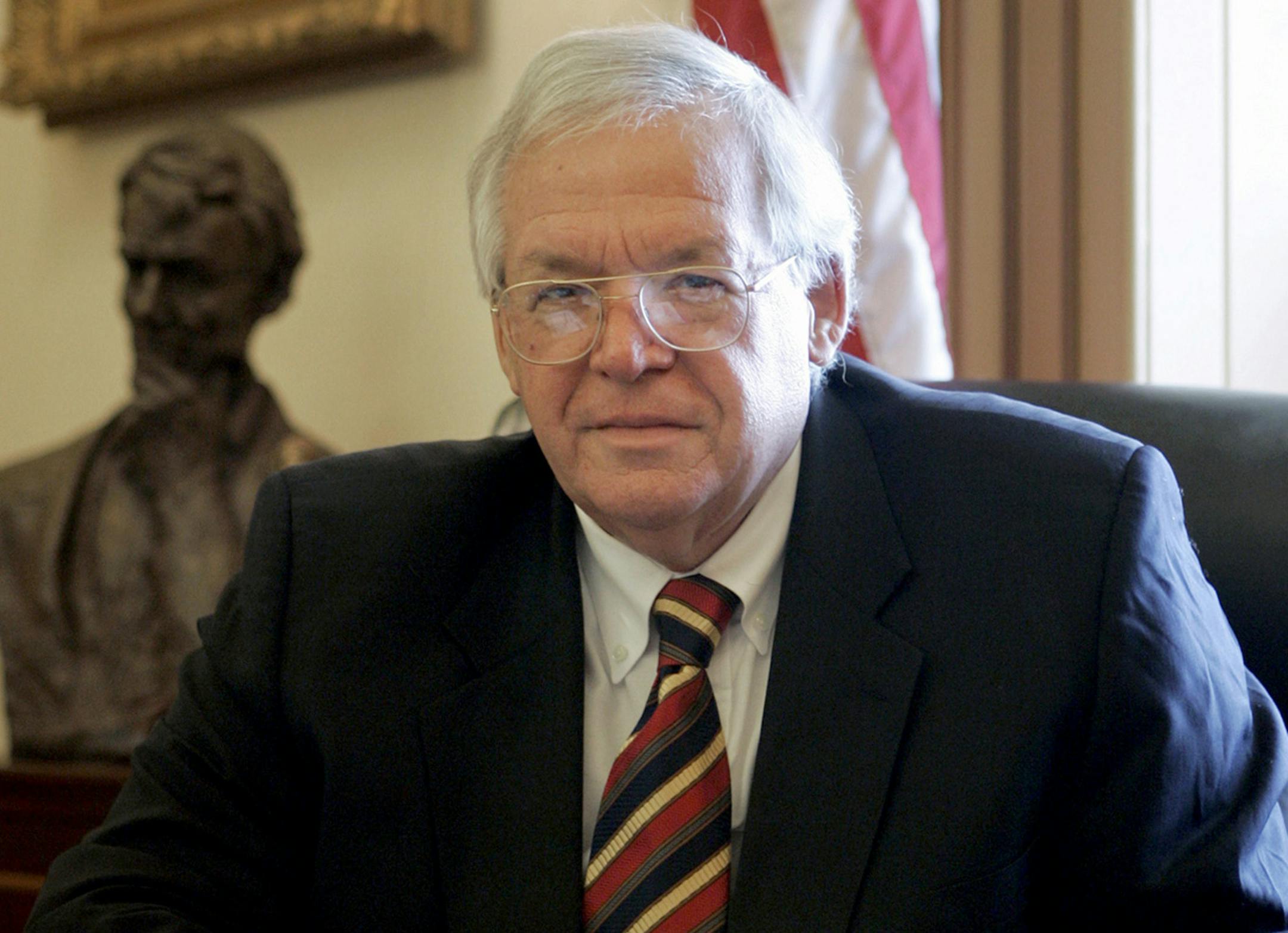
That's not necessarily because of the narrowness of the Republican majority, or even the kooky behavior of its kookiest members. The underlying reason is something known as the "Hastert rule," after former Speaker Dennis Hastert, who articulated it: Legislation only gets a vote on the floor of the House if it is supported by the majority of the majority.
In other words, according to the Hastert rule, even if a bill has the support of 99% of Democrats and 49% of Republicans — that would be 321 of the 435 members of the House in the 118th Congress — it still wouldn't reach the floor for a vote.
This is, to be clear, not a rule found in any book. It is a political norm, and neither former Speaker John Boehner nor Hastert himself applied it consistently. But ever since the reign of Newt Gingrich, who became speaker in 1995, Republican Party speakers have mostly followed it. (Paul Ryan, the last Republican speaker, followed it even though he promised not to.) The presumption is that they will keep everything off the floor unless it is backed by most House Republicans, and the majority of GOP House members treat any exceptions as a kind of betrayal.
During the presidency of Barack Obama, the Hastert rule helped the GOP secure a political and policy win on immigration. But it's mostly brought nothing but trouble, tending to disrupt the orderly operation of government while making it harder for non-hardcore Republicans to win their races and putting pressure on mainstream GOP backbenchers to vote for bills they don't want to vote for.
McCarthy, or whoever Republicans choose, should realize that a successful speakership will depend on overtly disavowing the Hastert rule. That doesn't mean the next speaker needs to commit to bringing anything to the floor that has majority support — no legislative leader anywhere in the country acts like that. It means using party cartel power selectively, when it confers a genuine advantage.