Mpls firm Sportradar US wins NFL deal, strikes blow against rival Stats LLC

Mpls. company is a major player in gathering sports statistics

April 22, 2015 at 6:36PM
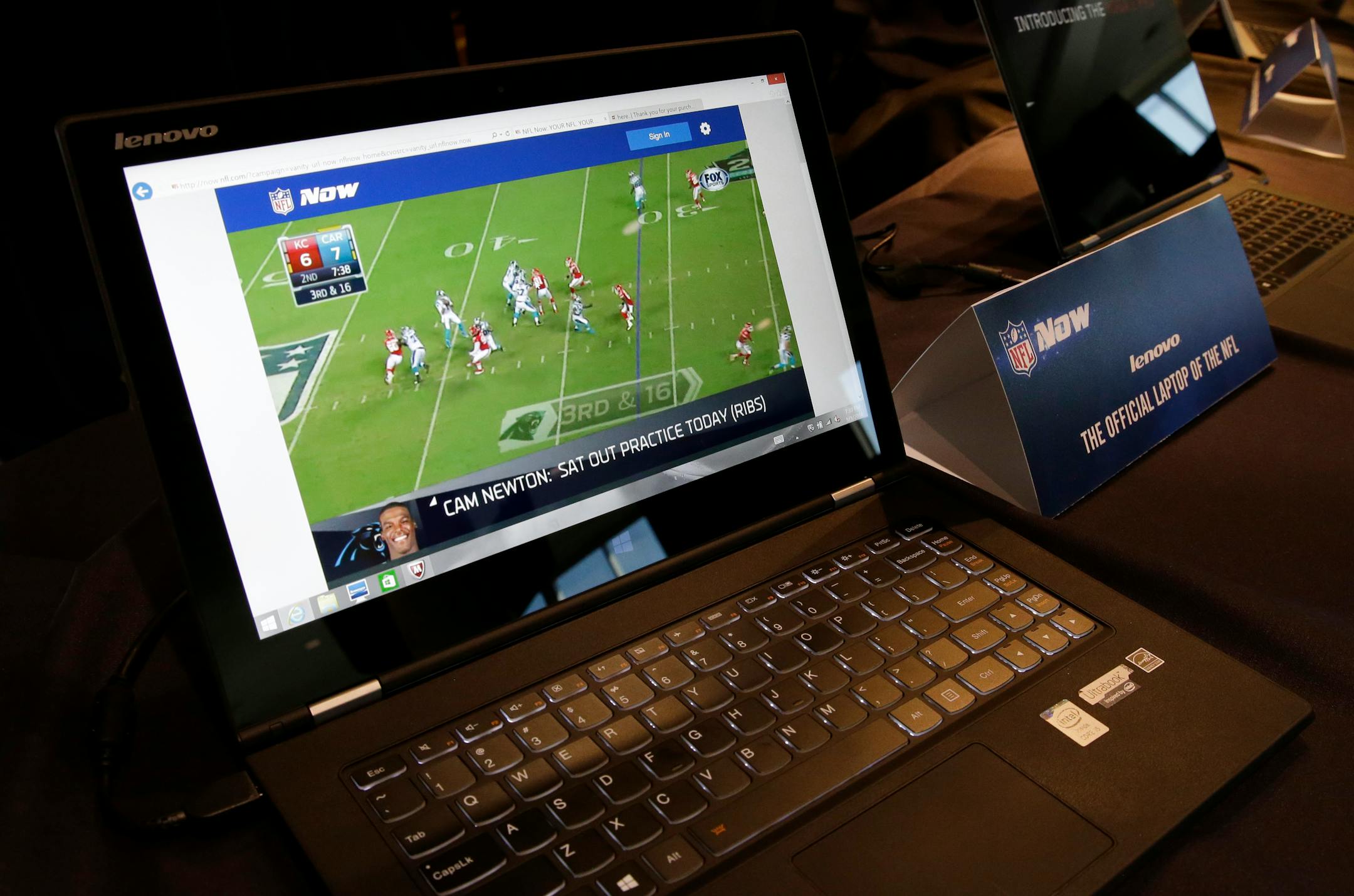
The NFL Now video service is shown running on a laptop at a press event Wednesday, Sept. 3, 2014 in Seattle. NFL Now, the League�s next-generation video service will provide a personalized stream of video from the digital library of NFL football video through apps and browsers on a variety of devices. (AP Photo/Ted S. Warren)
Sportradar US of Minneapolis will become the digital data distributor for the NFL. File photo of the NFL Now video and data service during the 2014 season. (Evan Ramstad — AP/The Minnesota Star Tribune)

Sportradar US claimed a ­victory in the fast-growing business of sports statistics Tuesday when the National Football League announced an exclusive partnership with the Minneapolis company.

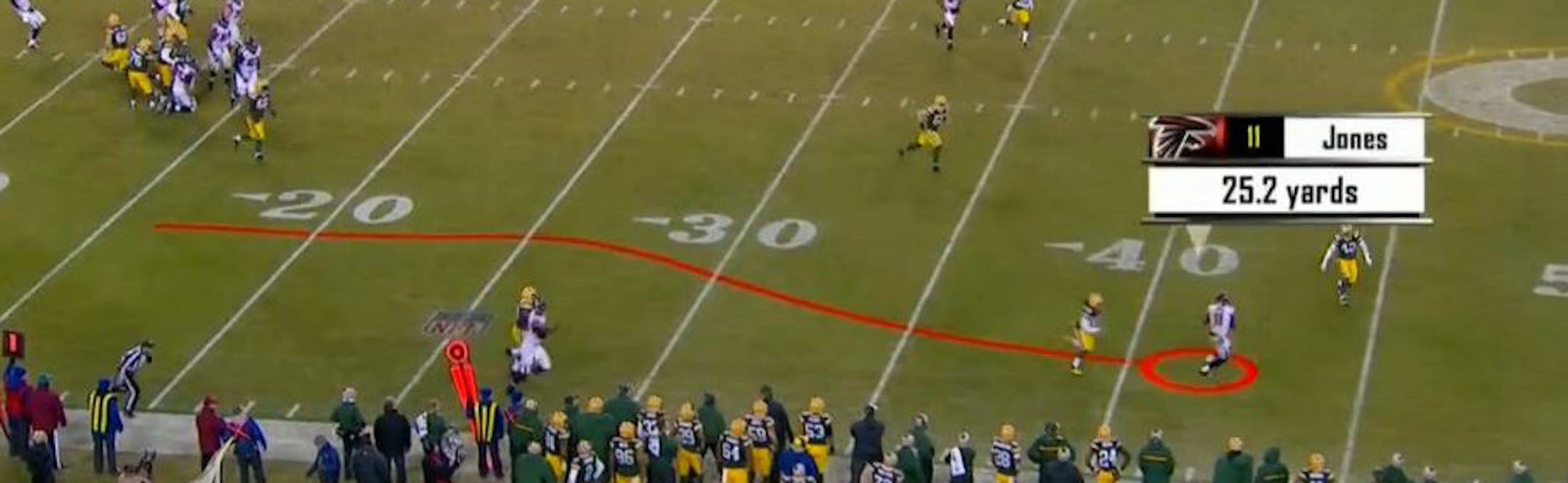
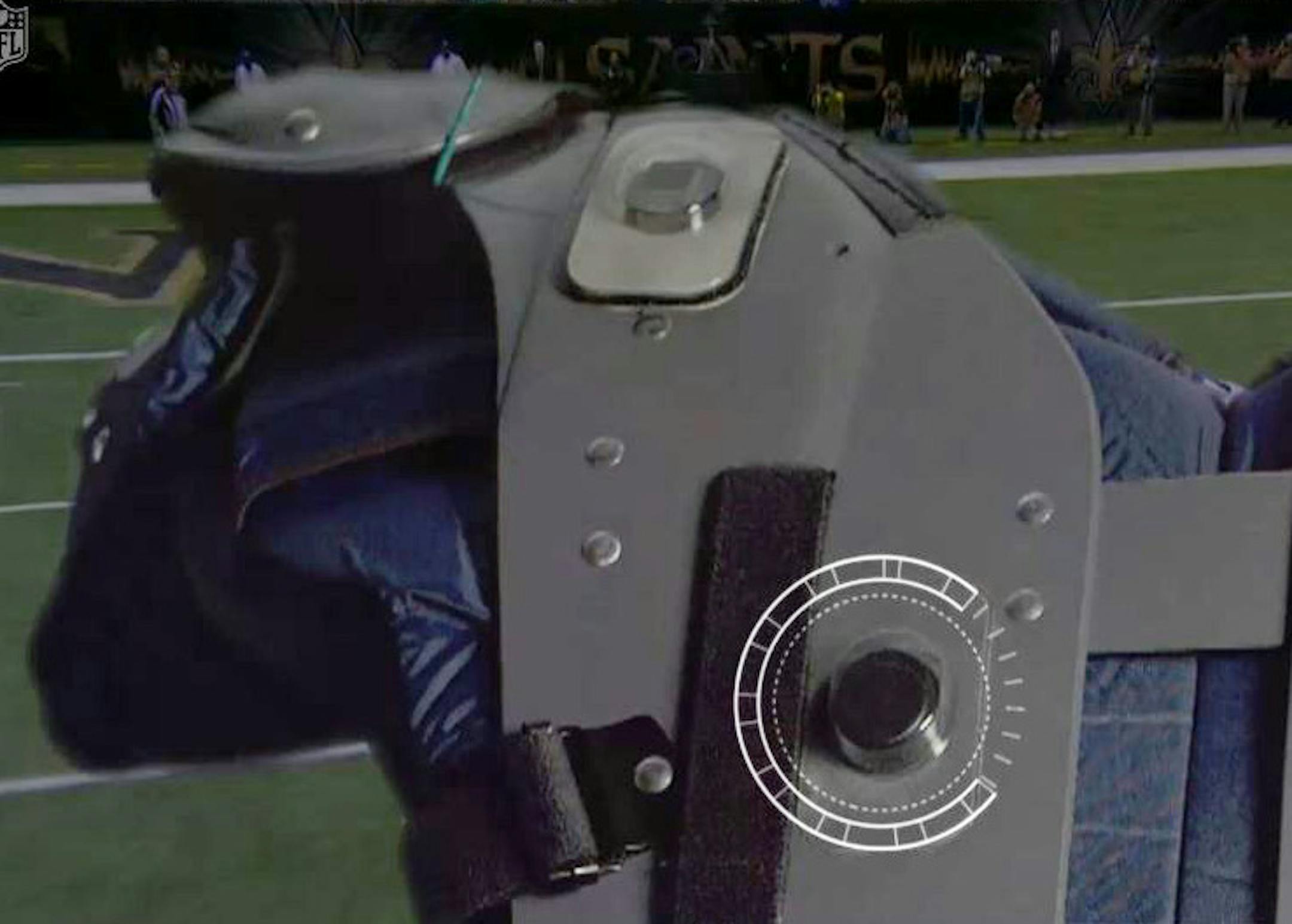
The company, formerly known as SportsData, starting this fall will be the NFL's distributor of official real-time scores, player statistics and play-by-play data. It will also organize and distribute Next Gen Stats, the data flowing from the NFL's technology that uses chips to track a new category of precise ­statistics.

"There are chips going into shoulder pads, there will be chips in footballs," said Rob Phythian, co-founder of Sportradar US. "We're just at the tip of the iceberg."

The deal comes on the heels of a similar partnership Sportradar US made with NASCAR in February.

Fueled by the rise of fantasy sports, sabermetrics, gambling and even data-driven fraud detection, sports statistics has become an increasingly sophisticated business, and Minneapolis is now home to one of two large players in the U.S. market.

The company was started in 2010 in a room at the University of St. Thomas in St. Paul by two men who were frustrated customers of the sports statistics giant, Stats LLC.

Phythian, who co-founded ­Fantasy Football Weekly and the website FanBall, teamed up with Dave Abbott, the founding chief technology officer of Internet Broadcasting Systems, a company that built websites for TV stations. Together, the duo figured they could do a better job collecting and distributing sports data. They attracted local angel investors to get going.

Sports stats companies get their data by two methods. They can partner with a league or association to collect and distribute official numbers from statkeepers at the site of the competition, or they must watch the competition on television or online and keep track of stats themselves.

Sportradar US started by paying college students to watch sporting events and enter stats meticulously into the company's database. Today, from an office in downtown Minneapolis, it continues to employ many part-time statkeepers. Every night, a room with 140 stations of TV monitors and computer screens fills up as the puck drops or the first pitch is thrown at contests all over the country.

The system of feeds built by Abbott and the firm's developers allows the firm to sell the stats to customers who need the data. In the early days, the customers were fantasy sports leagues.

Later, Google became a customer after executives were impressed by the ­quality of Abbott's software. Then, Facebook and Twitter became customers. Now NBC, IBM and Turner Sports are customers.

The founders knew they needed a large strategic partner in order to make deals directly with the leagues, and their local investors wanted a payoff. In 2013, SportsData was acquired by the Swiss stats giant Sportradar. Abbott and Phythian retained an equity stake in the firm, which now has 70 full-time employees and 150 part-time workers.

The new multiyear deal with the NFL — the league asked Sportradar not to disclose the terms but the Sports Business Journal reported it is for four years with the NFL investing in the company — will give the firm access to all the traditional official NFL stats, but also location-based Next Gen Stats data such as player speed, acceleration and ­distance traveled.

The deal is a direct strike against Stats, which previously handled the NFL's data distribution. "Hopefully one of many," Abbott said.

Adam Belz • 612-673-4405 Twitter: @adambelz


Andrew Thompson kept an eye on a game which he was reporting statistics for. ] GLEN STUBBE * gstubbe@startribune.com Tuesday, April 21, 2015 Sportradar US has just signed a big deal with the NFL to collect and distribute stats for the league. Sportradar US keeps detailed stats on 20,000 U.S. sports events each year from nine sports.
Andrew Thompson kept a close eye on a game as he gathered statistics for Sportradar US, which collects detailed stats on nine sports. (The Minnesota Star Tribune)
Sportradar US keeps detailed stats on 20,000 U.S. sports events each year from nine sports. ] GLEN STUBBE * gstubbe@startribune.com Tuesday, April 21, 2015 Sportradar US has just signed a big deal with the NFL to collect and distribute stats for the league. Sportradar US keeps detailed stats on 20,000 U.S. sports events each year from nine sports.
Workers watch 140 TV screens and computer monitors. (The Minnesota Star Tribune)
NFL.com A screen grab from a video generated by Next Gen Stats shows the sports data presented for the audience in real time. Sportradar US started by paying college students to watch games. (The Minnesota Star Tribune)
Screen grab from NFL.com Chips are built in football shoulder pads that is highlighted in the circle.
Chips are built in football shoulder pads highlighted in the circle. (The Minnesota Star Tribune)
Sportradar US co-founders Rob Pythian and Dave Abbott in the company's new Minneapolis headquarters. ] GLEN STUBBE * gstubbe@startribune.com Tuesday, April 21, 2015 Sportradar US has just signed a big deal with the NFL to collect and distribute stats for the league. EDS, L to R, red is their company color fyi
Sportradar US co-founders Rob Phythian, left, and Dave Abbott in the company’s new Minneapolis headquarters. (The Minnesota Star Tribune)
about the writer

about the writer

Adam Belz

Reporter

Adam Belz was the agriculture reporter for the Star Tribune.

See Moreicon

More from Business

See More
card image
Glen Stubbe/The Minnesota Star Tribune

State officials said higher premiums and diminished federal tax credits mean some people likely feel they can’t afford coverage.

card image
card image