

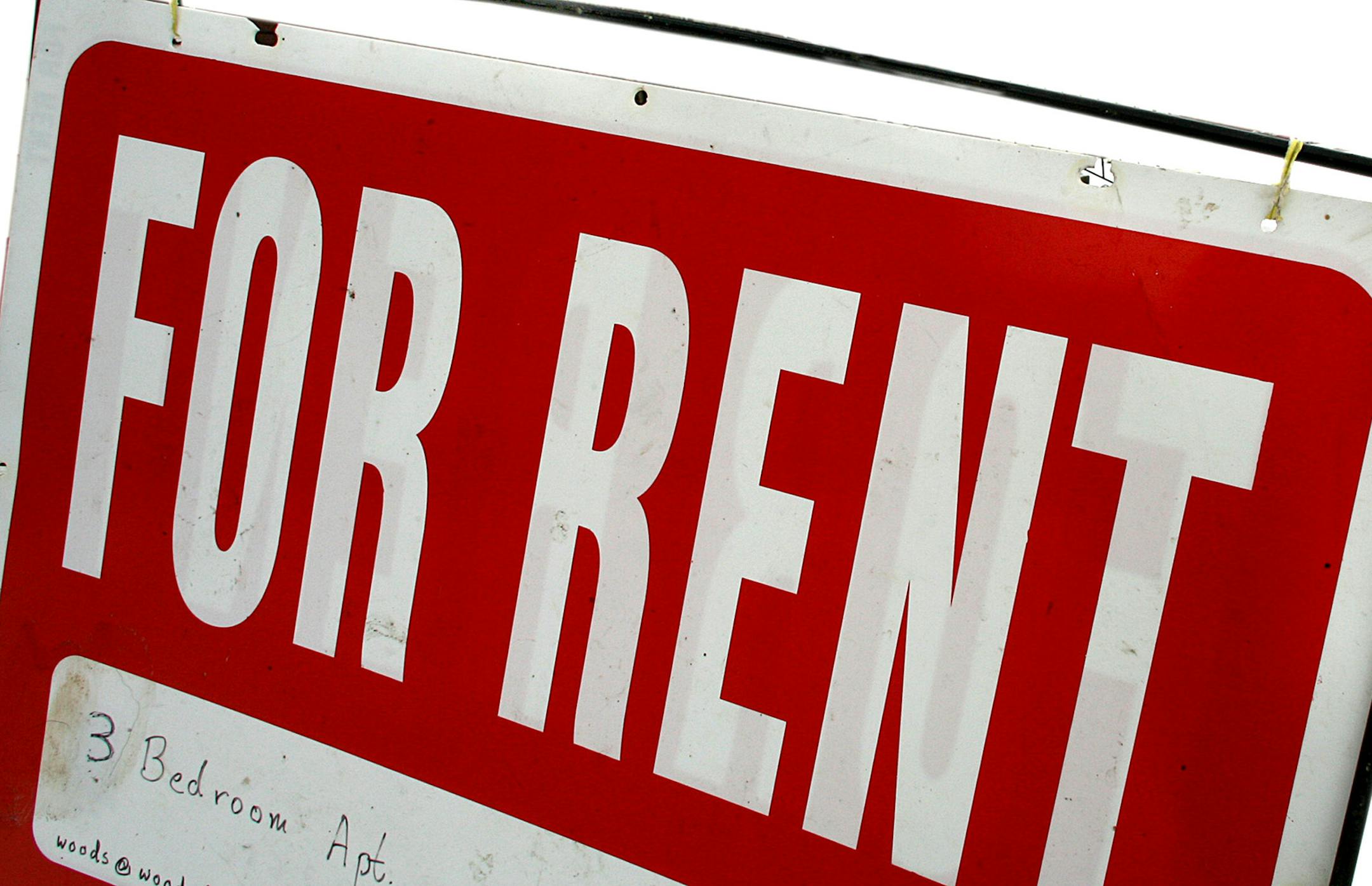
There’s a quiet and potentially profound shift unfolding in the housing market: The rise of the retiree renter.
Older adults typically own their home in retirement, and that’s still largely the case. Yet the number of renters age 65 and older rose by 2.4 million between 2013 and 2023, according to a Point2Homes analysis of Census Bureau data. That’s just shy of a 30% jump in a decade. The more than 10 million older adults who rent comprise 13.4% of the renter population.
A similar story holds for the Twin Cities. The 65 year and older population accounts for 15% of all renters, up nearly 27% since 2013.
Several complicated forces are at work. Renting has become a smart choice for some retirees. Compared to homeownership, renting offers a mix of lifestyle flexibility and financial simplicity. However, older renters with lower incomes and limited wealth often find their only option is to rent.
Retirees who choose to rent are usually looking to avoid the financial burdens of homeownership, including increased upkeep costs, higher property taxes and soaring home insurance premiums. At least as important is the desire for freedom from the time-consuming demands of home ownership. The combination of high mortgage rates and scarce inventory has made downsizing a less attractive option.
Retirees find that by renting, they can more easily focus their time and financial resources on travel, family and pursuing passion projects. Renting also offers greater flexibility if health needs change. Renters are at risk to landlords sharply raising rents. Still, when near-retirees are exploring where to live in their later years, running the math on renting vs. owning is a prudent exercise.
Renting is less about choice and more about necessity for many retirees, however. Decades of living on unstable incomes means many retirees couldn’t afford homeownership during their careers or lost their home in tough times. These renters face an uncertain future in retirement. Rent hikes for retirees living on fixed incomes can force difficult budget trade-offs or even relocation. Among the vulnerable are the more than half of older adult renters in Minnesota who are cost burdened, meaning they spend more than 30% of their income on housing.
The hallmark of the real estate market these days is there are few good choices with low inventory and high prices — rental or owner-occupied. That said, for older adults with resources, the pros and cons of renting are worth considering.


