

Opinion editor’s note: Strib Voices publishes a mix of guest commentaries online and in print each day. To contribute, click here.
•••
“It can’t happen here.” So wrote Minnesota’s Sinclair Lewis in his 1935 novel of the same name, warning about authoritarianism. Yet it does happen here. Minnesota has once again been shaken, this time by the tragedy at Annunciation Catholic Church, where Robin Westman stands accused of killing and wounding several, including children. This horror comes only months after the assassination of a state legislator, her husband and their dog, and the attempted murder of another lawmaker and his wife by alleged killer Vance Boelter. And, of course, the conviction of Derek Chauvin for the murder of George Floyd lingers as a wound still open. Three faces of evil.
The shock is not only that these crimes occurred but that they happened in Minnesota. This is the state of Lake Wobegon, the state once featured on the cover of Time magazine for its good life, the state of “Minnesota Nice.” Yet the phrase now feels like an epitaph. Something deeper is unraveling.
At one level, these tragedies may reflect what sociologists call the “normalization of violence.” Minneapolis may simply be no different from other American cities. We are not exceptional. But perhaps something else is at work, a convergence of psychological, cultural and structural forces that make Minnesota a case study in how American innocence shatters.
The psychology of evil is rarely sudden. It is cumulative, hidden in plain sight. Chauvin’s history of excessive force, Boelter’s extremist rhetoric, Westman’s obsessions with weapons and manifestos — each carried warning signs. Families, colleagues or neighbors noticed but did not act. This silence goes beyond the famous “bystander effect” memorialized in the Kitty Genovese case. It speaks to cultural habits of denial.
Part of that denial is woven into Minnesota Nice. Outsiders imagine it as warmth and openness. Insiders know it can be cold politeness masking judgment and distance. For people of color, it has often meant smiling faces paired with discrimination. For others, it manifests as a reluctance to intervene: “I was so mad I almost said something.” In this way, Minnesota Nice becomes less about kindness than avoidance, a Scandinavian reserve hardened into moral aloofness.
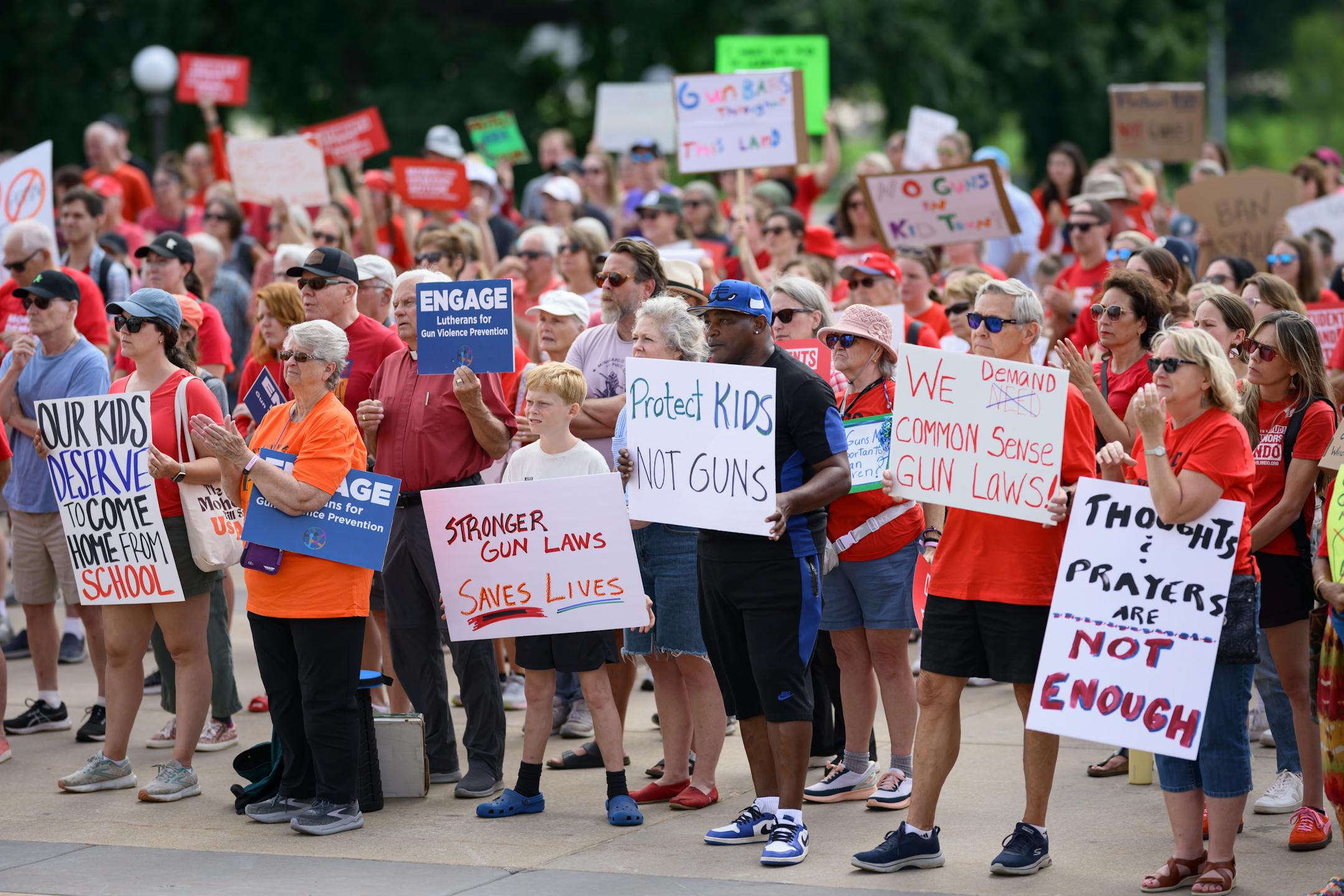
Yet culture alone does not explain these tragedies. They intersect with America’s defining pathology: guns. The refrain that “guns don’t kill people, people kill people” is both true and profoundly misleading. Guns enable killing in ways knives or fists do not. The argument that the problem is “mental illness” fares no better. Millions suffer from mental illness without harming others. To equate the two is to stigmatize the vulnerable while missing the obvious: So-called “law-abiding citizens” commit acts of domestic abuse, impulsive homicide and suicide every day — with firearms.


