
Minnesota’s big election year begins: What to know about 2026 precinct caucuses

Precinct caucuses Feb. 3 kick off an election year that could reshape leadership of Minnesota.

The Minnesota Star Tribune
February 2, 2026 at 9:00PM
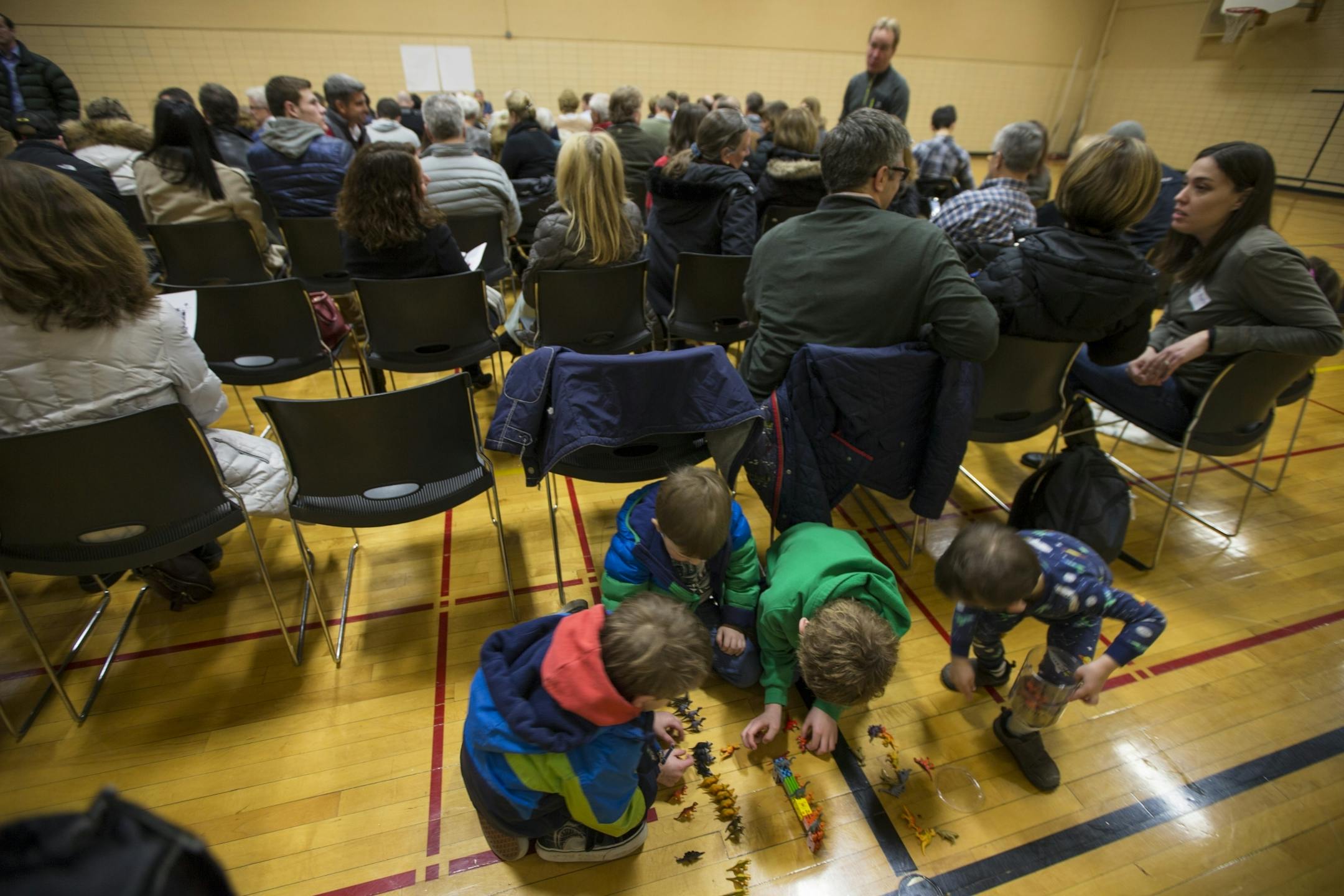
A group of children patiently played with dinosaurs during a GOP precinct caucus for precinct 3 at South View Middle School on March 1, 2016, in Edina, Minn.
A group of children patiently played with dinosaurs during a GOP precinct caucus at South View Middle School in Edina in 2016. (Ren�e Jones Schneider — Star Tribune/The Minnesota Star Tribune)

It’s only February, but Minnesota is gearing up for a 2026 election that could reshape leadership of the state, and potential voters have their first formal chance to air their opinions Tuesday at the parties’ precinct caucuses.

The caucuses come at a time when Minnesota is in the spotlight over federal immigration enforcement, fraud in government programs and Gov. Tim Walz’s retreat from the race.

Caucus-goers will choose delegates to endorse candidates at future party conventions and give input on issues they think their party should support. Hyperlocal partisan caucuses tend to draw those most active in politics and the candidates courting their support.

On the GOP side, precinct caucuses will help shape a competitive Republican contest for governor in which a dozen candidates are running, including Minnesota House Speaker Lisa Demuth, MyPillow CEO Mike Lindell, businessman Kendall Qualls, state Rep. Kristin Robbins, and Scott Jensen, a physician and former state senator who lost to Walz in the 2022 governor’s race.

For the DFL, it’s looking like an opportunity to rally behind the only major declared candidate for the state’s executive job, Sen. Amy Klobuchar.

In addition to the governor’s office, the secretary of state, attorney general and state auditor and all 201 seats in the Legislature will be on the ballot in November.

Precinct caucuses start at 7 p.m. Feb. 3 in schools, community centers and American Legions across the state. Here’s what participants need to know.

Who can participate?

The DFL requires anyone participating and voting at precinct caucuses to live in the precinct, consider themselves a party member in agreement with DFL principles and not be an active member of another party.

A participant must be 18 by the next state general election to vote or run for positions, such as delegate. They must be 16 by the next general election to participate in other caucus business.

Amid immigration enforcement in Minnesota, the DFL is stressing that people don’t have to attend in-person to be elected a delegate, and can instead fill out a non-attendee form.

The Republican Party requires anyone participating to be eligible to vote at the time of the next state general election. Participants can vote or become a delegate only in the precinct where they live at the time of the caucus.

Participants must also be in agreement with the principles of the Republican Party, and have either voted or affiliated with the Republican Party in the last election or intend to in the coming election.

Under state statute, you can’t participate in more than one party’s caucuses in a year.

What happens at a caucus?

In addition to discussing the party’s platform and electing delegates and local party officers, precinct caucuses are an opportunity to weigh in on candidates for elected office in November. Sometimes, candidates stop in to pitch themselves to voters.

Republicans will hold a straw poll for the governor’s race to gauge support for a dozen contenders vying to be the Republican on the ballot in November.

The DFL race for governor is looking less competitive. After Walz scrapped his run for a third term, Klobuchar announced she would run. So far, she is considered the only serious DFL candidate.

Regardless, DFLers will also have an opportunity to express support for a gubernatorial candidate by casting an informal write-in ballot.

When are endorsements decided?

After precinct caucuses, the parties will hold local conventions in the coming months and will hold their state conventions to endorse candidates in late May.

Minnesota’s primary election is Aug. 11. Early voting starts in June.

Who’s running for office this year?

The Star Tribune has compiled a list of candidates who have said they’re running for state and federal office here.

If I caucus, is my party information public?

There isn’t a big, public list with the names of everyone who attends party caucuses, but the parties themselves track who shows up.

Where is my caucus?

The Minnesota Secretary of State’s office has a caucus finder here. It’s a good idea to double-check the location, since it could be different than past election years.

Where can I go for more information?

Here’s more information from the DFL and the GOP.

Allison Kite and Walker Orenstein of the Minnesota Star Tribune contributed to this report.

about the writer

about the writer

Greta Kaul

Reporter

Greta Kaul is the Star Tribune’s built environment reporter.

See Moreicon

More from Politics

See More
card image
Aaron Lavinsky/The Minnesota Star Tribune

The departures come at a time of great turmoil in the office, which has seen a wave of senior prosecutors leave in recent weeks.

A group of children patiently played with dinosaurs during a GOP precinct caucus for precinct 3 at South View Middle School on March 1, 2016, in Edina, Minn.
card image