
Brown: Minnesota’s housing problems run deeper than market alone

The problem isn’t just supply or interest rates ― it’s demographic changes, too.

Columnist Icon
The Minnesota Star Tribune
October 16, 2025 at 7:34PM
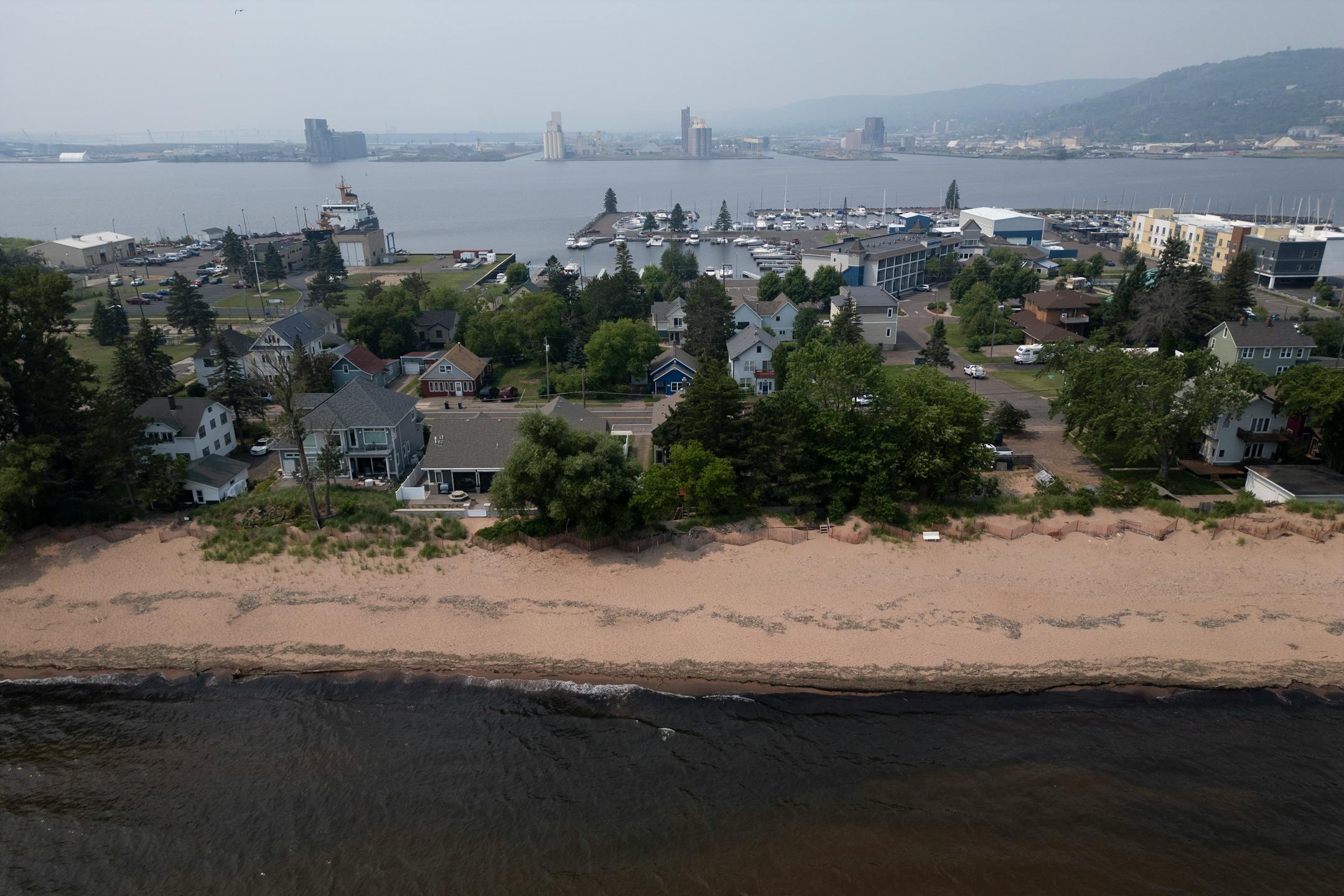
A section of Duluth's Park Point neighborhood on July 31. The city, like the rest of the state, is in a housing crunch. (Aaron Lavinsky/The Minnesota Star Tribune)

Opinion editor’s note: Strib Voices publishes a mix of commentary online and in print each day. To contribute, click here.

•••

Whether you live in a house or an apartment, in the Twin Cities or greater Minnesota, your ability to move has been hindered in recent years.

The reasons why, and potential solutions, aren’t as simple as hoping for a better economy, or a worse one. Rather, we need public policy to expand housing options and a plan to secure our individual housing needs in the future.

A huge spike in real estate demand in late 2020 drove up prices and whisked homes off the market within days. Historically high prices followed. Though the market cooled down a bit last year, key stats like housing inventory and home prices remain tilted against Minnesotans seeking new housing options.

“It doesn’t seem like there’s been any relief for first-time homebuyers or people who are looking,” said Monica Haynes, director of the Bureau of Business and Economic Research at the University of Minnesota Duluth.

Haynes monitors the Duluth regional real estate market, a surprisingly challenging region for housing. Average listing prices in Duluth are now well above $400,000, while inventory remains lower than before the pandemic.

Here, underlying demographic issues have been brewing for a long time. These will only expand in the years ahead, and not only in Duluth. The challenges now reach across Minnesota, even in faster-growing places like the Twin Cities metro area.

Haynes cites high interest rates and low supply as two persistent causes of higher prices. But one statistic she cited caught my eye: the market’s average home size. In 2021, the average home for sale in Duluth was about 1,550 square feet. Last year, it peaked at almost 1,800 square feet.

Naturally, my first thought was that this was a measure of American homes getting larger because of consumer tastes. While that’s true in new home construction, it’s not the reason for the jump in the size of homes for sale. People with bigger homes are selling, and people with money are buying them. This includes second homes and rental properties. Smaller, more affordable family homes are staying off the market because the people who own them aren’t moving.

Haynes said there are two reasons for this.

One is that mortgage interest rates remain relatively high, which discourages movement by people who secured lower rates years ago. People with more money can absorb the higher rates; others can’t. Another problem is the persistent lack of supply.

These problems are a major factor for new homebuyers and in the inflation of rent.

“It’s something people don’t think about or want to talk about,” said Haynes. “One of the main causes, especially in [the Northeast Minnesota] region, is that there are a lot of people aging in place.”

This, she said, keeps family-sized homes off the market for younger people who would otherwise buy homes in the community.

Haynes said the places around the country where housing prices stabilized or even dropped the most usually flooded the market with new housing options. And while Minnesota has benefited from recent public and private investments in new housing, the impact has been small so far.

Part of the reason for that is a fixation on single-family homes.

I live near Hibbing, which is considered part of the Duluth real estate market. Every time the city announces a new housing proposal, familiar questions surface on social media.

How could we need new housing when the population isn’t growing? How could low-income or market-rate apartments improve the prices and availability of single-family homes?

The truth is, yes, even small, economically disadvantaged towns need new housing options. And there is a connection between multifamily housing and a healthier, more accessible real estate market.

“When we have that, we have more churn,” said Haynes. “More people are moving into the type of housing they need, opening up single family homes and more affordable smaller homes. It benefits everyone, even when we are building primarily large multifamily units. When they’re built, they fill.”

This year, my wife and I watched our three children all leave for college. We built our house 20 years ago, when costs were lower and mortgage rates were much lower. But, like many of our contemporaries, we are sitting in a mostly empty house while we turn our caregiving attention to our parents who live in even emptier houses. Nobody’s leaving, because, at least for now, any other option would be less desirable and even less affordable.

But we’re lucky. People just slightly younger than us with the same income could not have ended up in this same position. People in their 20s today would have an even harder time.

This strikes at the very core of the housing problem in Minnesota. The aging demographics noticed first in rural communities now permeate the entire state. We feel stuck because we are stuck, each of us longing for something just out of reach.

Yes, we can build our way out of part of the problem. But older Minnesotans can do much on their own to create housing opportunities for the next generation, if not within their own families, then within their broader community. With baby boomers retiring in droves every day, we are on the brink of extraordinary change in every corner of the state.

about the writer

about the writer

Aaron Brown

Editorial Columnist

Aaron Brown is a columnist for the Minnesota Star Tribune Editorial Board. He’s based on the Iron Range but focuses on the affairs of the entire state.

See Moreicon

More from Columnists

See More
card image
Mark Vancleave/The Minnesota Star Tribune

As Faribault joins the list of cities without a birth center, it may be time for the Legislature to get involved.