
Opinion | As the housing crisis persists, many Twin Cities homes sit empty

The community suffers when landlords leave properties chronically vacant. City leaders must pass policies to fill these homes with families who need them.

October 14, 2025 at 9:26PM
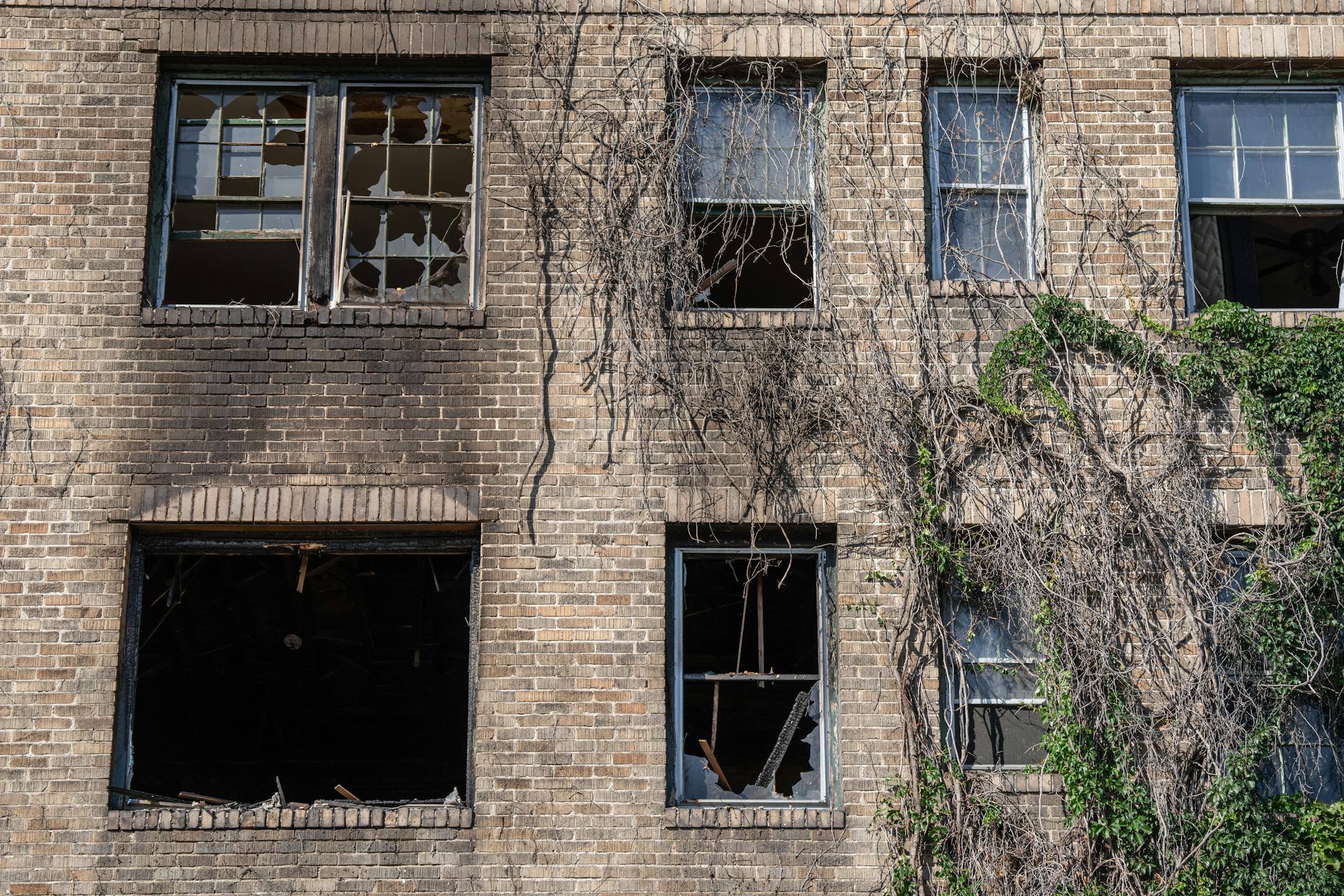
When landlords or property managers price units too high or leave units unfilled, neighborhoods suffer. Another family struggles to put a roof over their heads or another individual is left without a home, seeking shelter in abandoned buildings. Above, a fire at a vacant apartment building that was used by squatters happened on Sept. 19, 2022, in Minneapolis. (Renée Jones Schneider/The Minnesota Star Tribune)

Opinion editor’s note: Strib Voices publishes a mix of guest commentaries online and in print each day. To contribute, click here.

•••

As we approach an important series of elections this year in Minneapolis and next year in St. Paul, we Twin Cities residents add our voice to the growing chorus demanding action on the local housing crisis. We need lawmakers who will study and pass policies that reduce the amount of chronically vacant residential properties.

ApartmentList.com statistics from March 2024 showed a 9.3% vacancy rate in Minneapolis apartment units.

HousingLink’s June 2025 report found that, also in Minneapolis, an estimated 257 two-bedroom apartment units were vacant, while more than 380 one-bedroom apartments sat empty.

That same June 2025 report for St. Paul shows that in the city, median rents for a two-bedroom apartment increased 6% since June 2024. The median cost to rent a one-bedroom apartment in St. Paul jumped 9%.

These units often sit empty for six months or more at a time, because the empty unit itself is still a tool for tax and investment purposes for a corporate landlord. A corporate landlord not from south Minneapolis or along University Avenue in St. Paul can proceed without concern that four or five perfectly good units are never filled, within an apartment complex of possibly 30 or more units — because that landlord may have a dozen total apartment properties across the United States.

But to our neighborhoods, each unit priced too high or not filled for months and even years means one more family struggling to put a roof over their children’s heads. Another individual left unsheltered. Another family or individual working full time but still unable to afford a livable housing unit.

The Minneapolis City Council last year approved an ordinance that increases the fees on landlords or property managers whose properties are left empty for months and years at a time, properties that rob a neighborhood of housing stock or community investment.

But the council needs to go further in two ways: First, expand the Vacant Building Registry (VBR) to include market-rate or luxury apartment units left empty for more than six months. Second and more important, activate a vacancy fee on those tracked units where each year the collected fees go toward affordable housing construction and homelessness remediation programs.

There have been some discussions on the Minneapolis City Council or adjacent public groups that have explored creating a rental registry to better track vacancies. Consider these excerpts from a University of Minnesota Center for Urban and Regional Affairs report from 2024:

“Most owners of vacant properties own multiple other properties, and they can use value losses on one of their properties to offset their total tax burden. The City should consider scaling fees for vacant property that are issued on a more frequent basis and to prioritize properties where illegal occupancy, loitering and crime is occurring.”

Also:

“Identifying vacant properties early will prevent them from going past the point of no return.”

In response to a study question asking Minneapolis residents how they imagine vacant properties being redeveloped:

“Many respondents indicated a need for affordable housing, with one respondent stating, ‘Maybe more affordable housing/subsidized housing. Just making apartments, but only having one in the whole building for low-income families isn’t helpful.’ Another respondent suggested that there is no further need for market-rate housing, but that resources should instead be focused on providing affordable housing.”

Only then will we stop seeing vacant houses catching fire in the wintertime, or blighted neighborhood buildings becoming magnets for crime, or high rise mixed use buildings across the Twin Cities that seem to always have empty commercial space and residents wondering why the apartment down the hall hasn’t been filled for months.

Stuart Orlowski and Forrester Pack are advocates in FillEmptyHomes MN. Ella Hagen is an advocate in the Twin Cities Party for Socialism and Liberation.

about the writer

about the writer

Stuart Orlowski, Forrester Pack and Ella Hagen

More from Commentaries

See More
card image
Richard Tsong-Taatarii/The Minnesota Star Tribune

If you are approaching the holidays with an ache in your heart, remember that love continues to shape life, even in loss.

card image
card image