

Opinion editor’s note: Strib Voices publishes a mix of guest commentaries online and in print each day. To contribute, click here.
•••
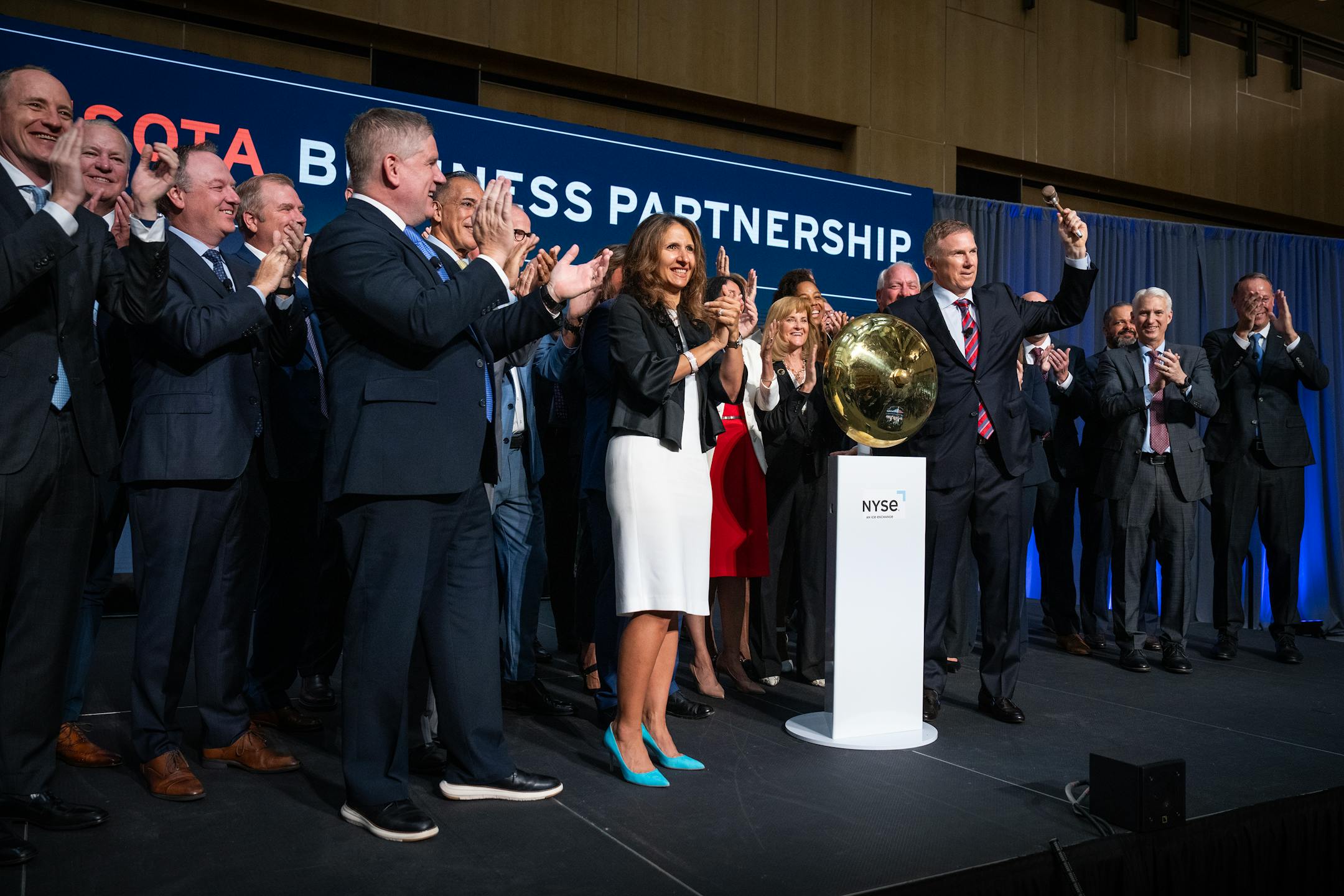
On July 10, something extraordinary happened in Fridley. We rang the opening bell of the New York Stock Exchange — not from Wall Street, but at Medtronic’s headquarters, with CEOs from across our state.
As someone who has spent decades watching economic ecosystems rise and fall, I can tell you this wasn’t just corporate theater. It was proof that Minnesota has built something genuinely rare: a headquarters economy that works.
When NYSE Group President Lynn Martin made the trip to Minnesota, she came because the numbers demanded attention. Minnesota hosts 30 NYSE-listed companies and more Fortune 500 headquarters per capita than any other metro area in America. But what caught Martin’s eye wasn’t just our numbers — it was our culture. She specifically noted the “collaborative nature” of Minnesota’s business leaders.
That collaboration isn’t just Midwestern niceness. It’s competitive advantage. When Best Buy’s CEO Corie Barry and nVent’s Chair and CEO Beth Wozniak joined Martin for a NYSE panel discussion that morning, they weren’t competing for airtime — they were building on each other’s points about Minnesota’s ecosystem. When challenges hit our state, from the Interstate 35W bridge collapse to COVID-19, our business community doesn’t retreat to boardrooms and play blame games. We roll up sleeves and solve problems together.
This collaborative culture has created something powerful: an ecosystem where talent can thrive without choosing between professional ambition and community roots. As General Mills Chairman and CEO Jeff Harmening noted during the event, Minnesota’s educational commitment has created “a pipeline of talent — engineers, marketers, scientists, data analysts, designers and health professionals — who didn’t have to leave their hometown to pursue their careers.”
Our member companies employ one-sixth of all Minnesota workers. That’s not market dominance — that’s market responsibility. These aren’t financial engineering plays or private equity roll-ups. From Medtronic’s lifesaving devices to Cargill’s feeding the world, these companies make things, grow things, heal people and solve problems.


