

Opinion editor’s note: Strib Voices publishes a mix of guest commentaries online and in print each day. To contribute, click here.
•••
Imagine being a hungry child at school, only to have your hot lunch tray taken away and replaced with a cold sandwich in front of your classmates. This is the reality for thousands of children across the U.S. — all because their parents couldn’t afford lunch fees. Debt collectors are literally chasing down families over school meal debt. For children unable to pay for meals, not only have school districts served them separate food from their peers, but some students are forced to wear wristbands or stamps.
This is beyond inhumane and should be unthinkable in the United States. I introduced legislation with U.S. Sen. Tina Smith of Minnesota to end school lunch shaming nationwide and prohibit the punishment of children who are unable to pay school meal fees.
A few years ago, Valerie Castile put this issue at the top of mind for legislators. She is the mother of Philando Castile, the 32-year-old cafeteria worker who was fatally shot during a police traffic stop in 2016. In his honor, Valerie used her son’s foundation to pay off student lunch debts, ensuring no child would be denied the chance to graduate because of existing debt. Philando’s compassion sparked a movement — and helped shift the conversation in Minnesota and across the country around school meal debt and universal school meals.
Back in 2019, more than 40 students at Richfield High who had lunch account debts of $15 or more had their hot lunches removed from their trays, thrown in the trash and replaced with a cold lunch. This was an unacceptable form of humiliation that generated outrage and helped pave the way for real action in our state. Examples like this have been all too common in schools across the country.
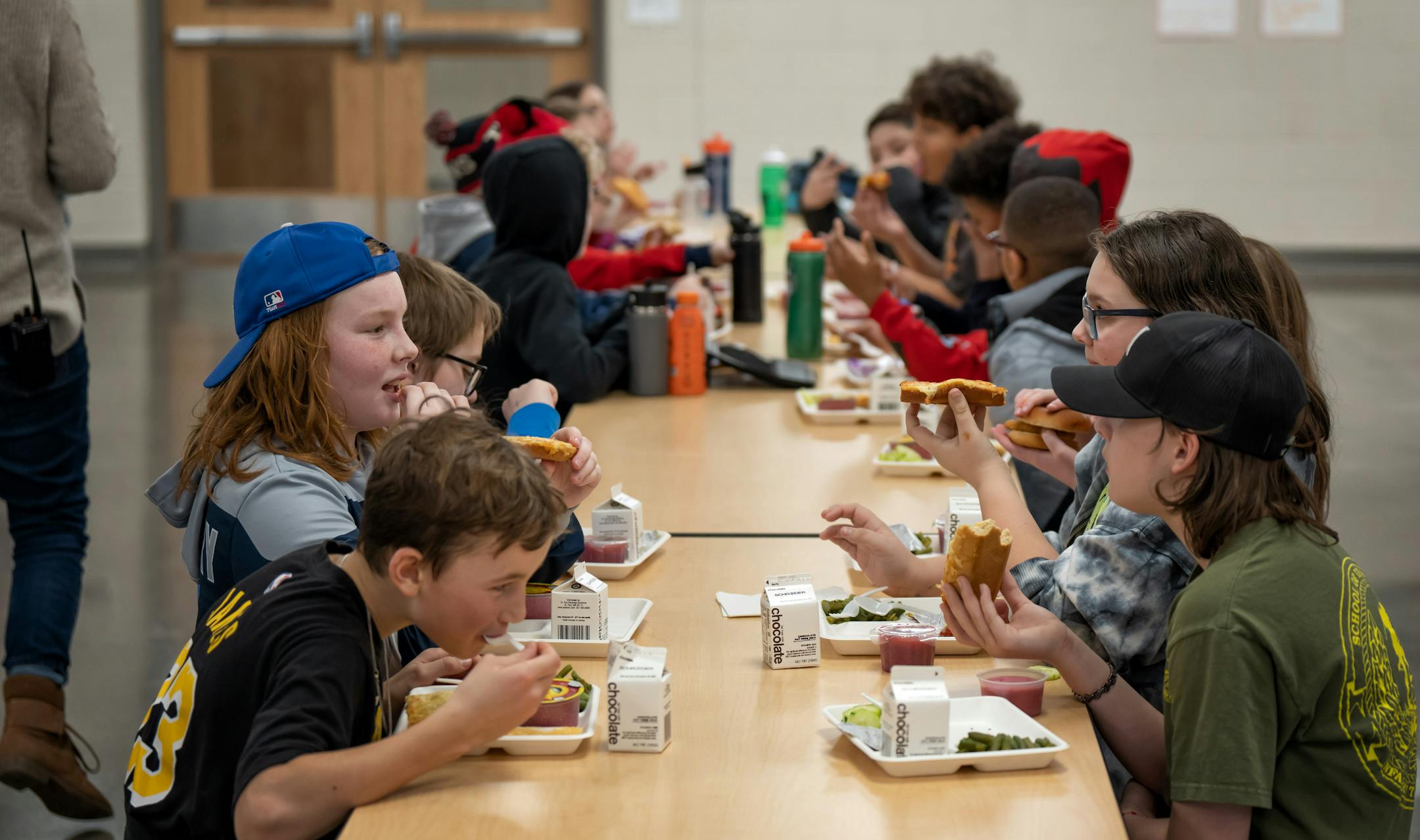
In Minnesota, I am grateful that the universal school meals bill was signed into law by Gov. Tim Walz. Because of this crucial legislation, not only are children receiving free meals at school, but this legislation has effectively canceled all future school meal debt. It has transformed the lives of so many children across our state. If you can’t feed the bellies, you can’t feed the brains.
My office has heard from numerous parents and teachers on the huge impact this legislation has had on our kids. Children are able to focus more in the classroom, be less disruptive and have better academic outcomes. But Minnesota shouldn’t be the exception — it should be the model. Right now, millions of children across America still face the same lunch-shaming practices we’ve banned here.


