

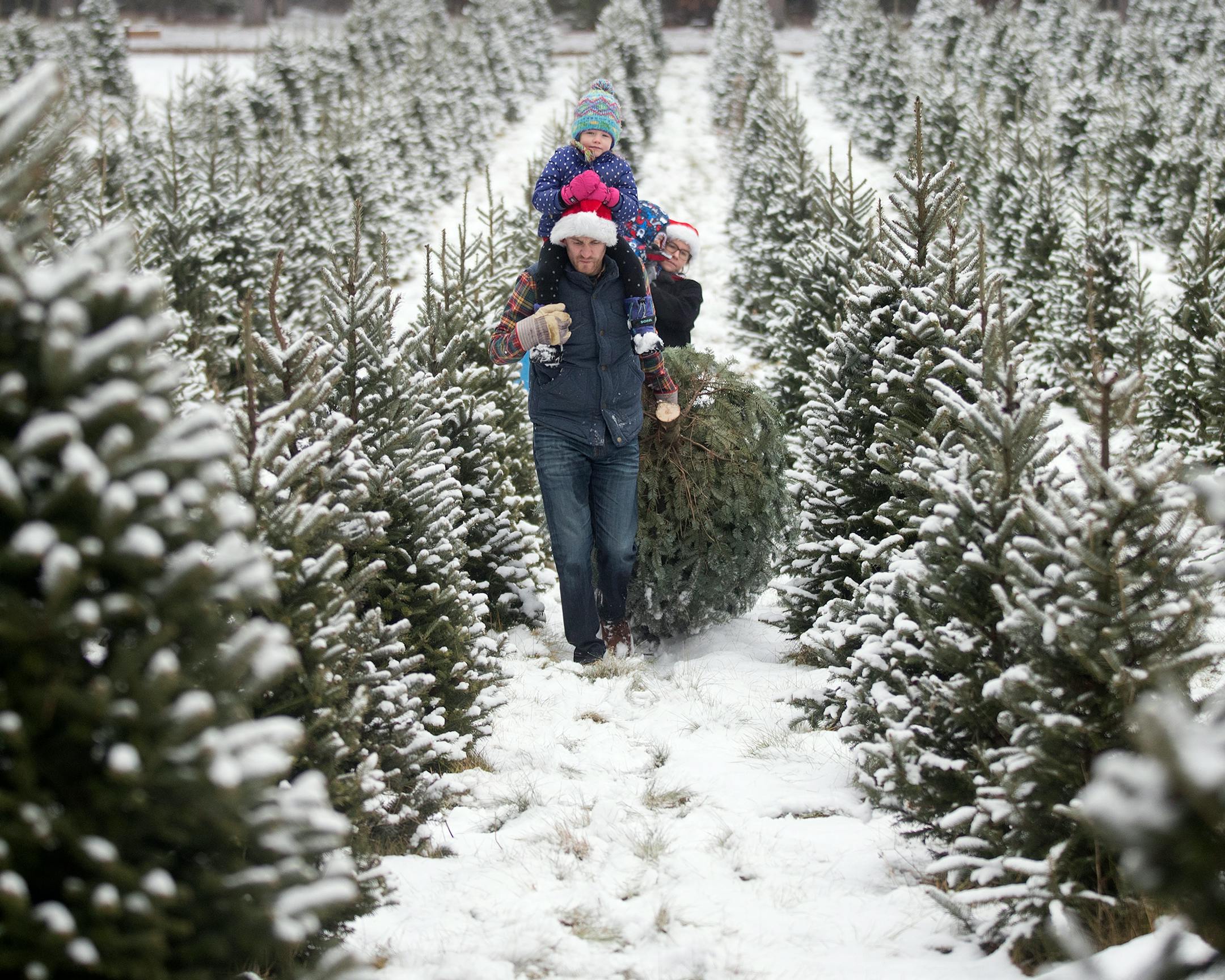
When it comes to choosing and decorating live Christmas trees, balsam fir ranks as the state’s favorite. Thank that fresh, piney scent replicated in candles, soaps, lotions and air fresheners this time of year.
“The smell triggers memories, and our industry is all about memories,” said Ben Wolcyn, vice president of the Minnesota Christmas Tree Association. “It brings you back to moments with your grandma or your mother and father. None of the other trees quite have it.”
Besides its fragrance, the Minnesota native and keystone of our boreal forest remains a favorite for dense branching that can hold ornaments well; soft, flat needles that don’t poke like a spruce would; and good needle retention that can usually last from Thanksgiving through Christmas or New Year’s Day.
Most take eight to 10 years to grow tall enough (and to be trimmed to be extra full) for Christmas tree harvests. Left in the wild, they can reach heights of 40 to 60 feet and live 150 to 200 years.
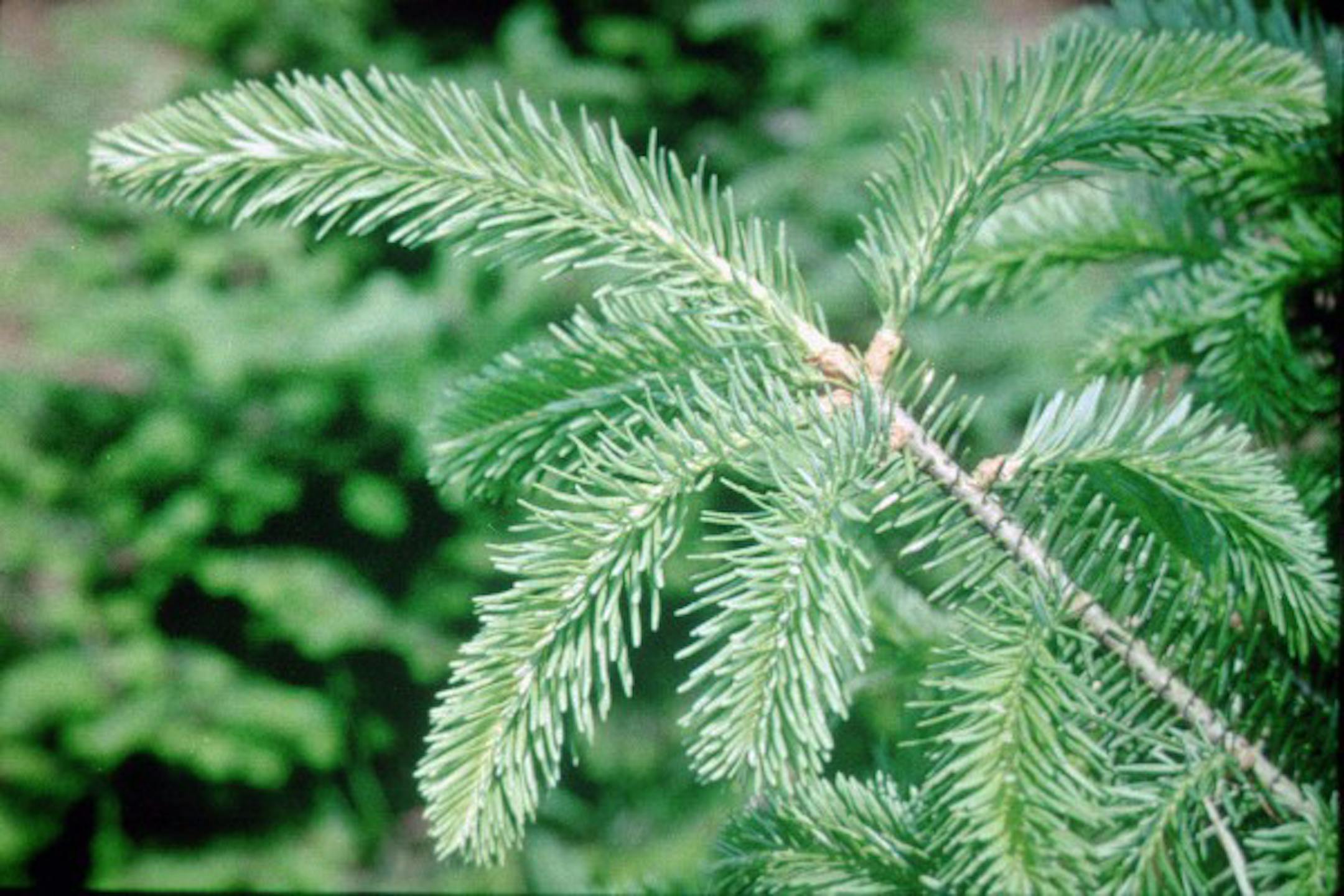
Parts of the balsam fir historically have been used for ailments — from coughs, colds and injuries — because of tree’s antiseptic, anti-inflammatory and expectorant qualities. Its boughs have been used to purify the air and provide fragrant bedding. Its resin has been used for torches, sealing and gluing, and preparing slides for microscopes. The wood has been used for light construction and pulpwood.
In the quiet of the forest, balsam firs play many other roles. Their pine cones and bark nourish chickadees, squirrels and porcupines, and their branches shelter mammals. Moose, which can eat up to 50 pounds of twigs a day in the winter, rely on the balsam’s soft foliage for winter nutrition, as do deer and grouse.
When winter wraps up, close to 3 billion birds migrate from warm southern climates to the boreal forest biome, which becomes North America’s bird nursery. An estimated 300 bird species arrive here to breed, nest and to see their young perch upon balsam branches like animated ornaments.
Lisa Meyers McClintick has freelanced for the Minnesota Star Tribune since 2001 and volunteers as a Minnesota Master Naturalist.


