

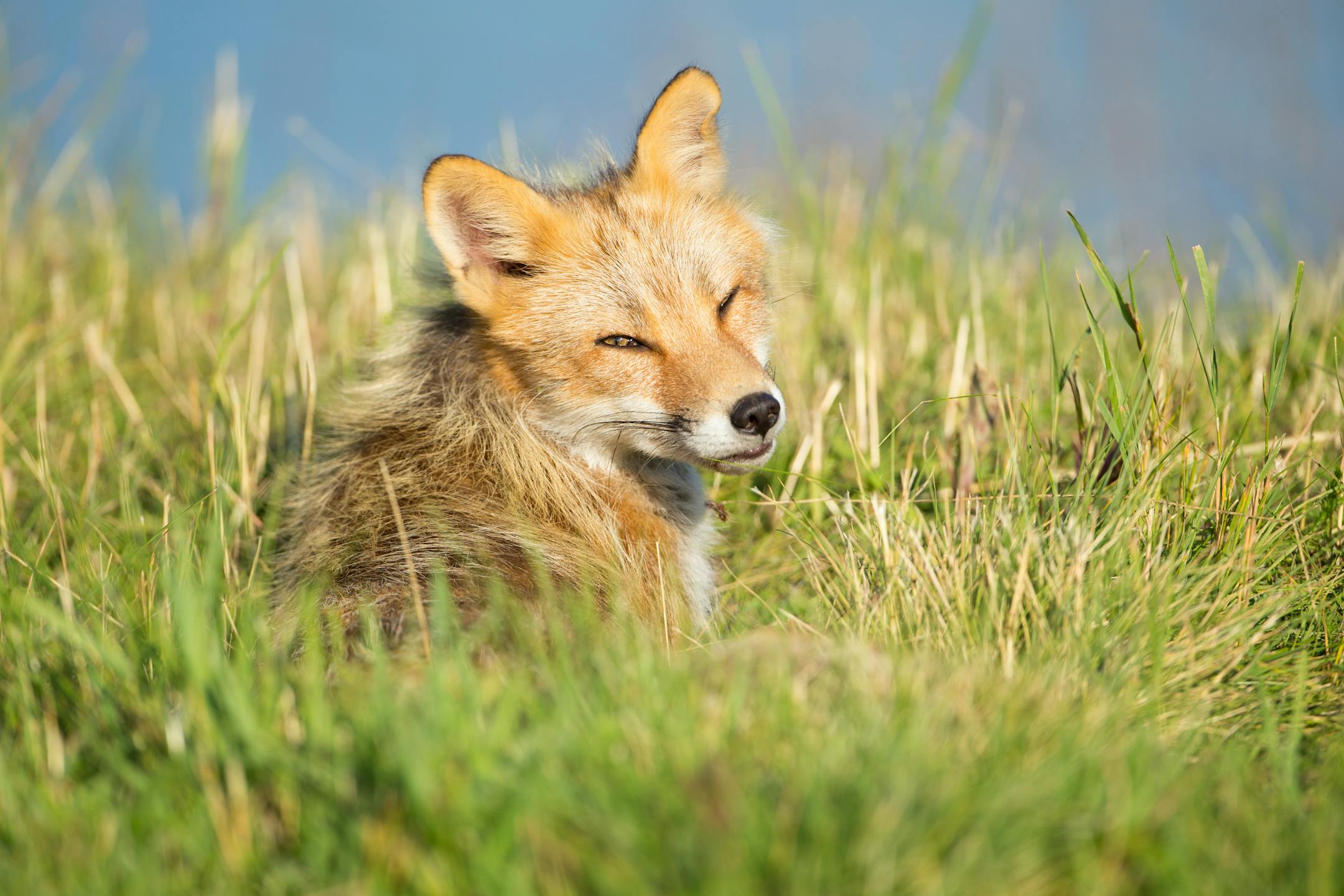
While humans are swapping heart-shaped boxes of chocolates and gifting roses on Feb. 14, Minnesota’s red foxes are likewise on a mission to fire up a little romance this month.
The first sign can be a pungent musky odor cutting through the winter air. These scent markings composed of urine with sulfur compounds and chemicals from a tail gland can designate a fox’s territory and announce its presence.
The scent can signal gender, social status and individual identity. Think of is as a fox’s twist on Tinder.
This communication system is critical to foxes’ ability to adapt to life in a variety of settings, from remote boreal forests to Twin Cities neighborhoods. For most of the year, these intelligent mammals live a solitary and stealthy life.
As February nears, scent markings smell stronger, barking or yips may be heard, and there’s a greater chance of spying foxes as they’re on the move and seeking to unite with mates. They typically have monogamous relationships and after reuniting reestablish their bond through play, companion travel and mutual grooming.
After mating, the females (known as vixens), dig a den in sandy soil or find an abandoned woodchuck or badger hole where they can give birth just under two months later. The den keeps the average litter of four to six babies warm and protected from harm until they’re weaned at about 10 weeks.
True to their name, many red foxes sport ginger-colored fur and a white-tipped bushy tail and black legs. Others can look solid black, silver black or red with dark bands across their back.
Red foxes are shorter and smaller than coyotes, which are also on the move this time of year. Foxes are about 16 inches tall and 3 feet in length. Females average about 8 to 10 pounds with males weighing up to about 15 pounds.


![Frosted Birch trees reach for the sky on a bitter cold morning in December. ] Minnesota -State of Wonders, Arrowhead in Winter BRIAN PETERSON • brian.peterson@startribune.com
Grand Marais, MN 2/14/2014](https://arc.stimg.co/startribunemedia/6ZXHG4LKYMULX4MFGGBDRWW2GE.jpg?&w=252&ar=3:2&fit=crop)