Hundreds honor Vietnam War, Secret War veterans in Minnesota

Fifty years after the Vietnam War ended, Minnesotans commemorated refugees and veterans.

The Minnesota Star Tribune
November 3, 2025 at 1:25AM
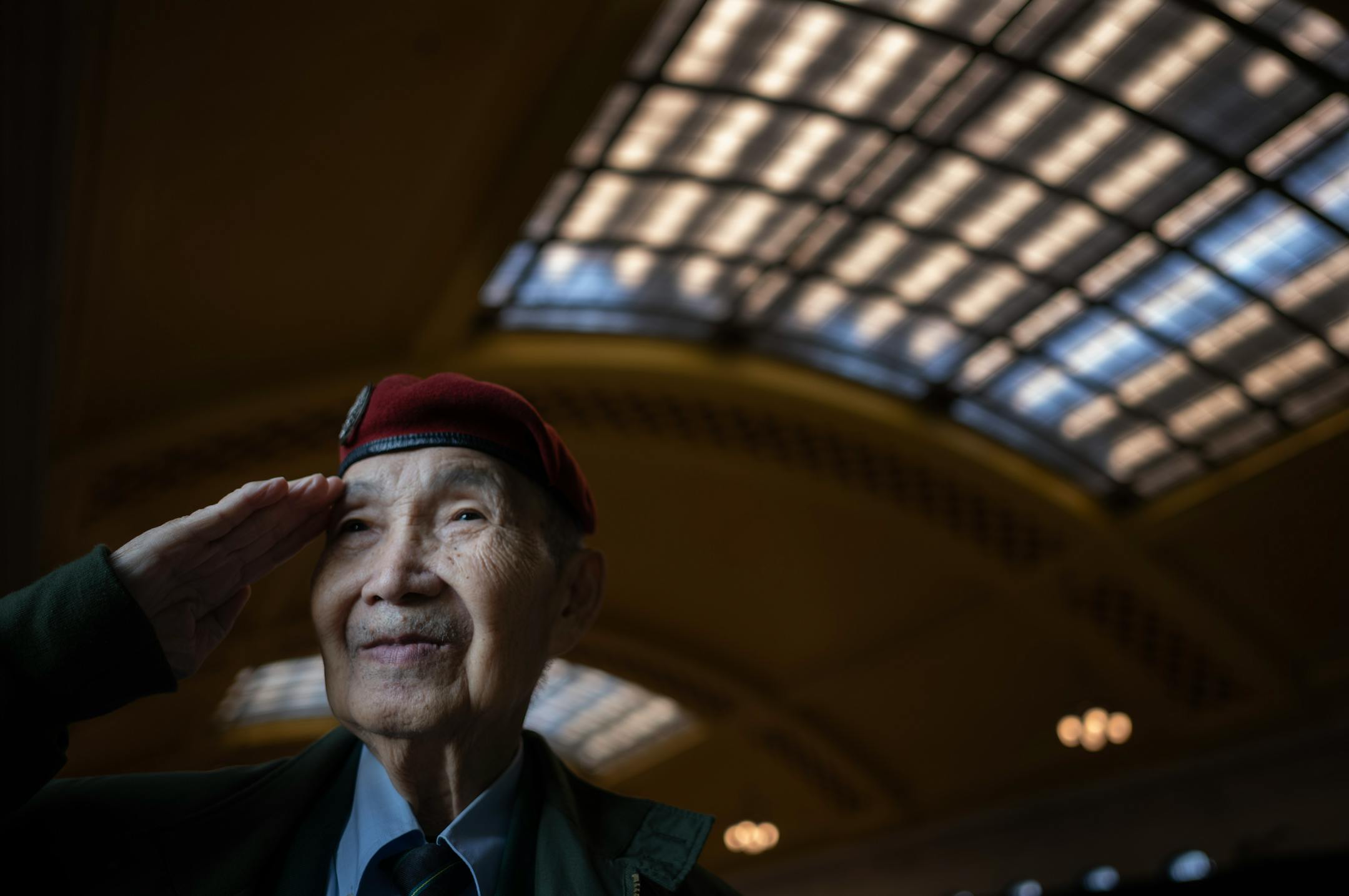
Colonel Khao Insixiengmay, a former Lao Army officer and commander, stands for a portrait at the Union Depot in St. Paul on Sunday. (Jerry Holt/The Minnesota Star Tribune)

For decades, Ha Toung kept quiet about his experience in Southeast Asia. Toung, a former officer of the Army of the Republic of Vietnam, migrated to the United States when American troops left Vietnam in 1975.

“We were invisible,” he said about veteran refugees. “We didn’t start talking about what we did until 10, 15 years ago when we realized that there is misinformation being spread. Promoting legacies and the truth is important.”

On Sunday, Toung was one of hundreds of Minnesotans who commemorated the 50th anniversary of the end of Southeast Asian conflicts during the Cold War era, including the Vietnam War and the Secret War.

The conflicts resulted in thousands of immigrants, including veterans and refugees, settling in Minnesota.

The St. Paul event, hosted by the Minnesota Humanities Center, focused on the conflicts’ lasting impacts on Cambodian, Laotian, Hmong and Vietnamese veterans who served alongside American veterans as well as immigrants’ cultural contributions to Minnesota.

Kevin Lindsey, chief executive of the Minnesota Humanities Center, said recognition of every group of refugees and immigrants who came to Minnesota after the Vietnam War is critical today. The state is home to more than 140,000 people from Laos, Vietnam and Cambodia, he said.

“There is a lot of beauty, wonder, amazement and industry within all these communities,” he said. “There should be opportunities to learn about the conflict and space and time for people to learn about the various rich cultures of all of these respective communities.”
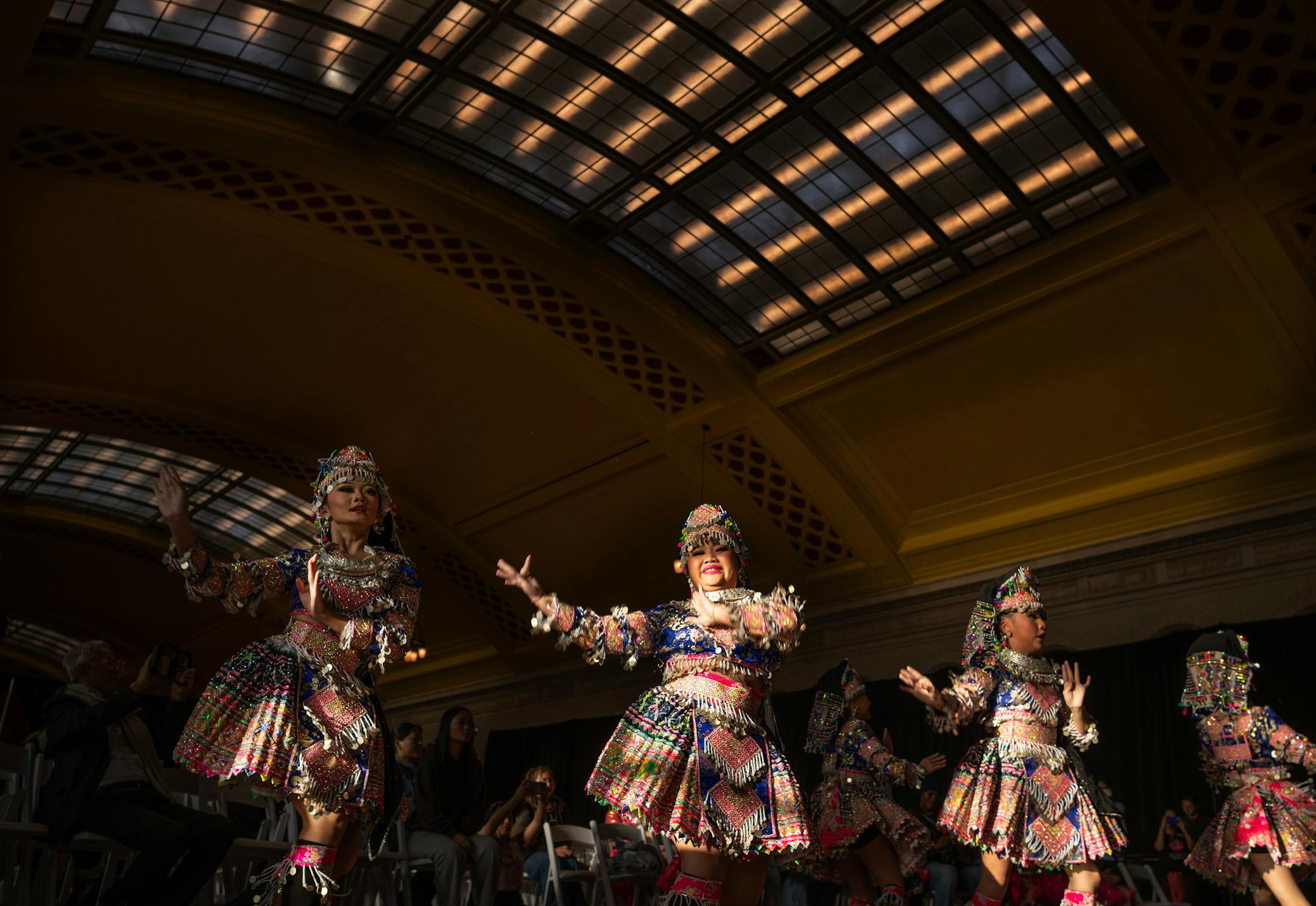
Members of the Hailey Dance Studio, a competition dance group, perform as part of Minnesota's Human Rights Center's 50th Anniversary Joint Commemoration in remembrance of Southeast Asian conflicts and their lasting impacts on the Cambodian, Lao, Hmong, Vietnamese communities and Minnesota Veterans. (Jerry Holt/The Minnesota Star Tribune)

The event, held at the Union Depot, featured many vendors with a variety of traditional foods and dress. Authors and storytellers also shared their experiences, including Phuoc Thi Minh Tran.

Tran spent several days on a crowded boat when she left Vietnam in 1982 to immigrate to the United States.

Following two years in California, Tran took another multi-day journey on a bus to start a life up north in Minnesota.

“I wanted to learn English, so everyday I went to the library and I took out the ESL book,” she said. “And I always said I wanted to become the lady sitting behind the desk.”

Tran did exactly that, becoming Minnesota’s first Vietnamese librarian and an award-winning children’s book author.

Tran had been in law school when the Vietnam War ended and she decided to immigrate to the United States. She likes to spend her time writing and sharing stories of the Southeast Asia conflicts in the 1970s to younger generations.

As one of the “lucky ones,” Tran said she shares her story because leaving a “legacy is essential” to teaching the next generation.

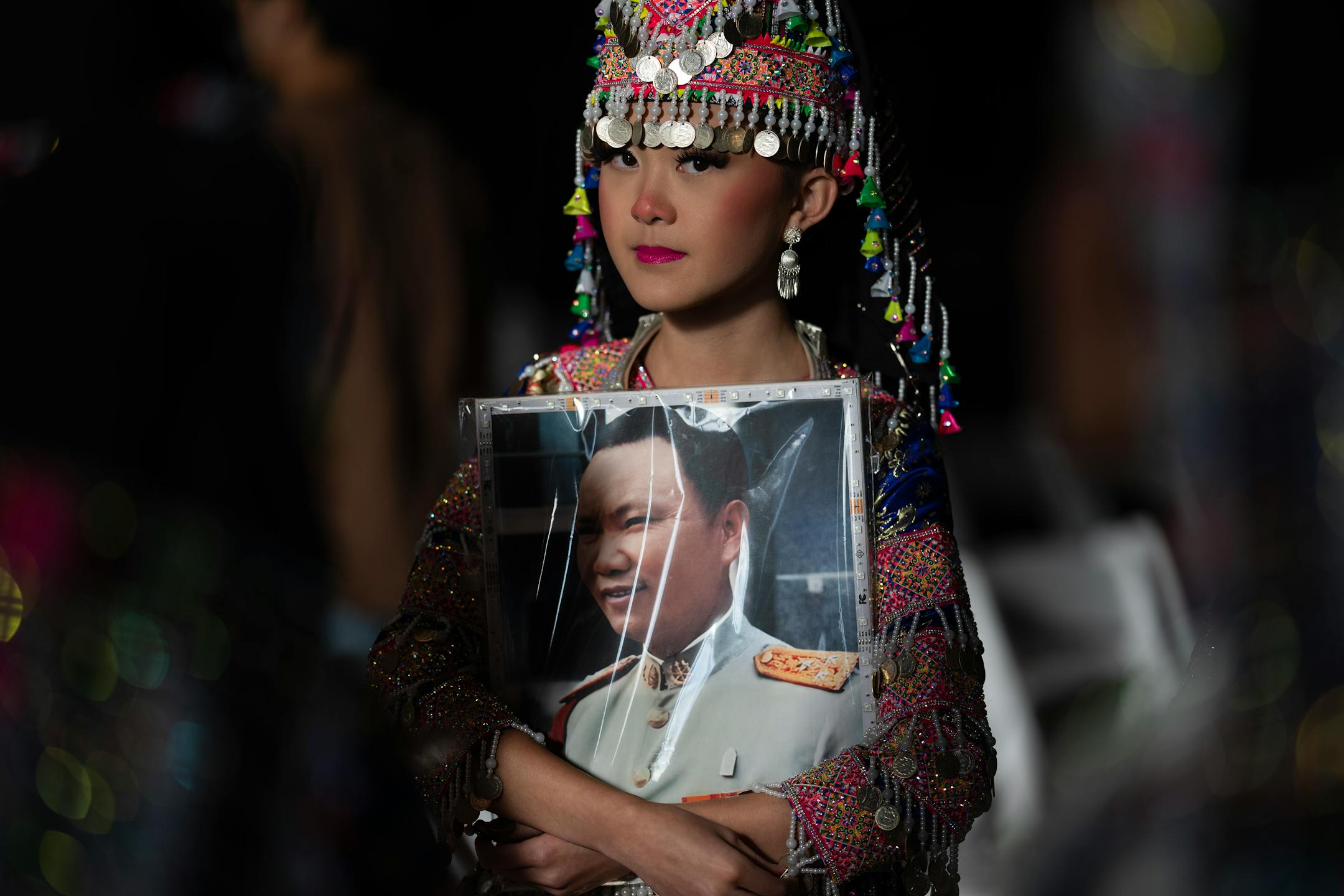
Zoey Yang holds a photo of Vang Pao, who served as a Major General in Royal Lao Army before emigrating to the United States, as she performed with Hailey Dance Studio at the Union Depot in St. Paul on Sunday. Pao was a leader in the Hmong community. (Jerry Holt/The Minnesota Star Tribune)

Edward Kong, a former Cambodian colonel, said many people forget the Vietnam War went further than Vietnam.

“Cambodia shared a border with Vietnam, and we shared common ground,” he said. “People don’t know I’m a Vietnam veteran, too.”

Kong said many immigrants and refugees are now sharing their stories to educate others that Vietnam veterans include those who fought alongside the U.S. in the conflict.

During the “Secret War” that raged from 1961 to 1975, the United States trained Hmong fighters to combat Communist forces in Laos. But the war’s end came when South Vietnam fell to Communist North Vietnam. According to the Minnesota Historical Society, 30,000 to 40,000 Hmong soldiers were killed in combat and thousands more went missing in action. Many Hmong people were evacuated or escaped on their own to Thailand.

Brooklyn Park’s Marie Petersen said she attended the event to learn more about Hmong history. Her father also fought in Vietnam, but she said he didn’t talk about it much, leading to gaps in what she knew of the conflict. She said the event helped her understand the history of the conflict, her dad, and her community better.

“The Hmong people are woven into the fabric of Minnesota,” she said. “It’s good to know how they got here.”

about the writer

about the writer

Eleanor Hildebrandt

Reporter

Eleanor Hildebrandt is a reporter for the Minnesota Star Tribune.

See Moreicon

More from St. Paul

See More
card image
Carlos Gonzalez/The Minnesota Star Tribune

Candidate beat Mayor Melvin Carter with a message that tapped into voter disaffection, data-informed tactics, and a lot of door knocking.

Crossing the line could mean a trip to solitary confinement.
card image