Twins Insider: Behind the scenes of a historic MLB trade deadline sell-off

The floodgates opened after the Twins became sellers at the MLB trade deadline, and 11 players left the organization in a hurry. Here’s how it happened.

The Minnesota Star Tribune
August 10, 2025 at 12:30PM
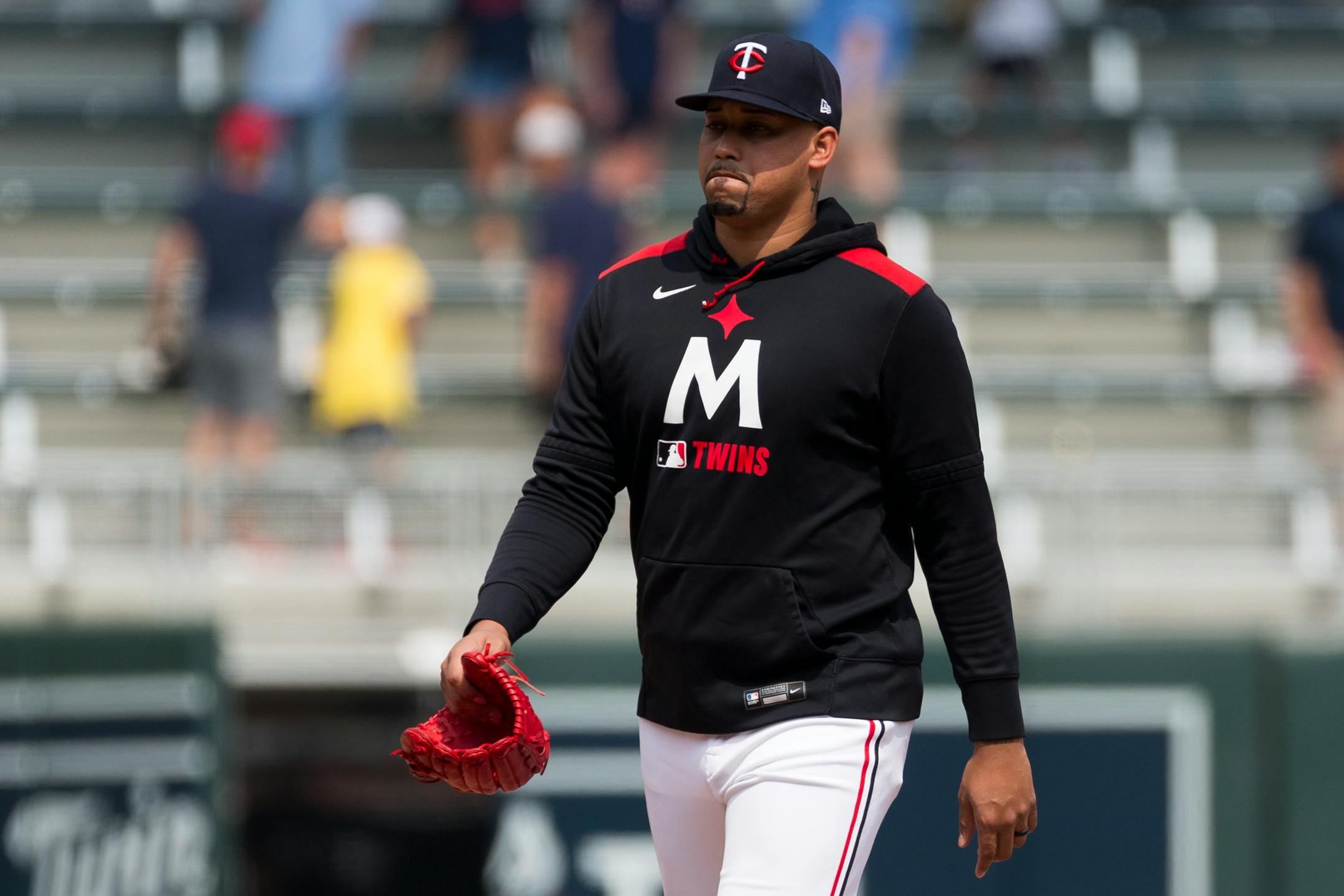
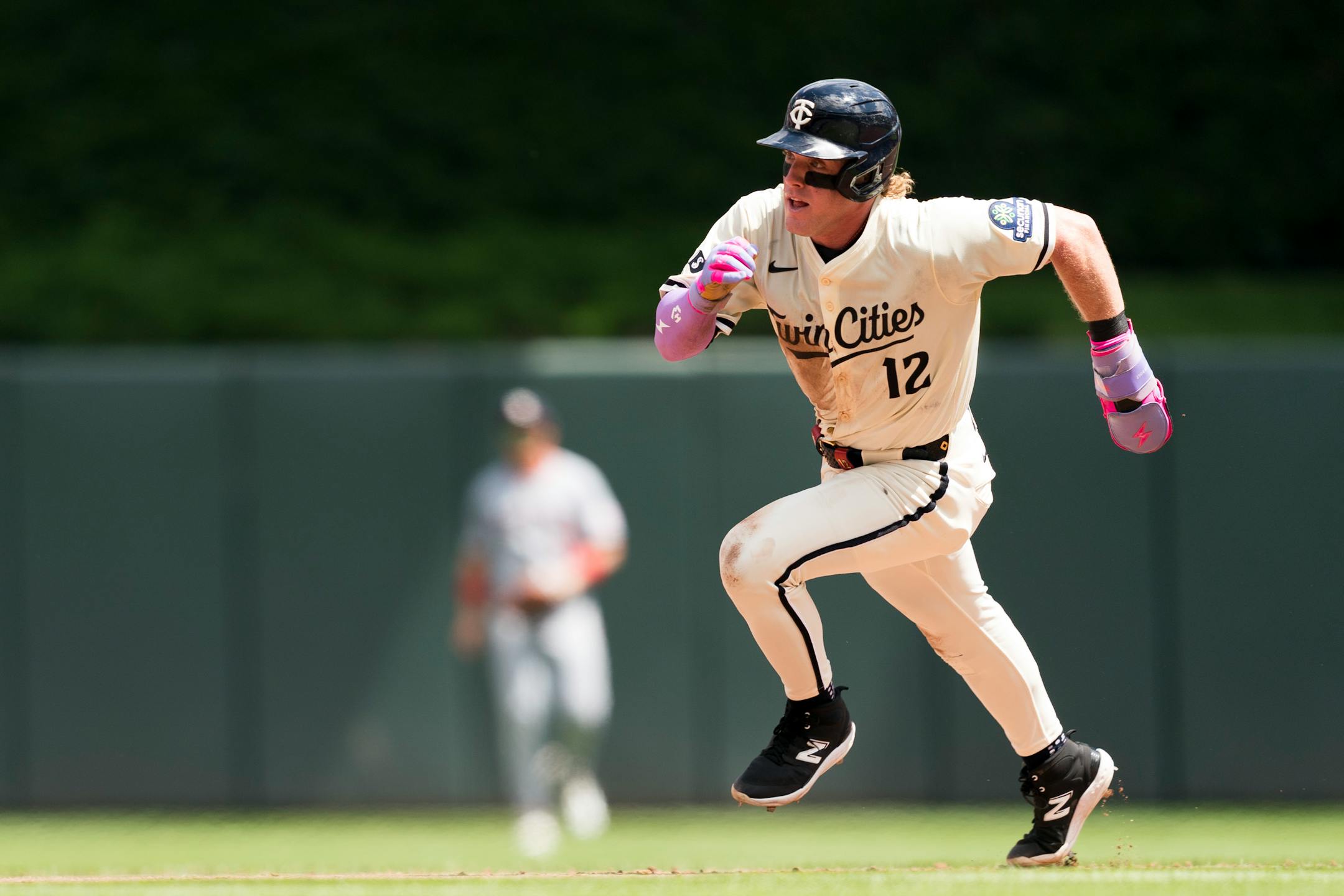
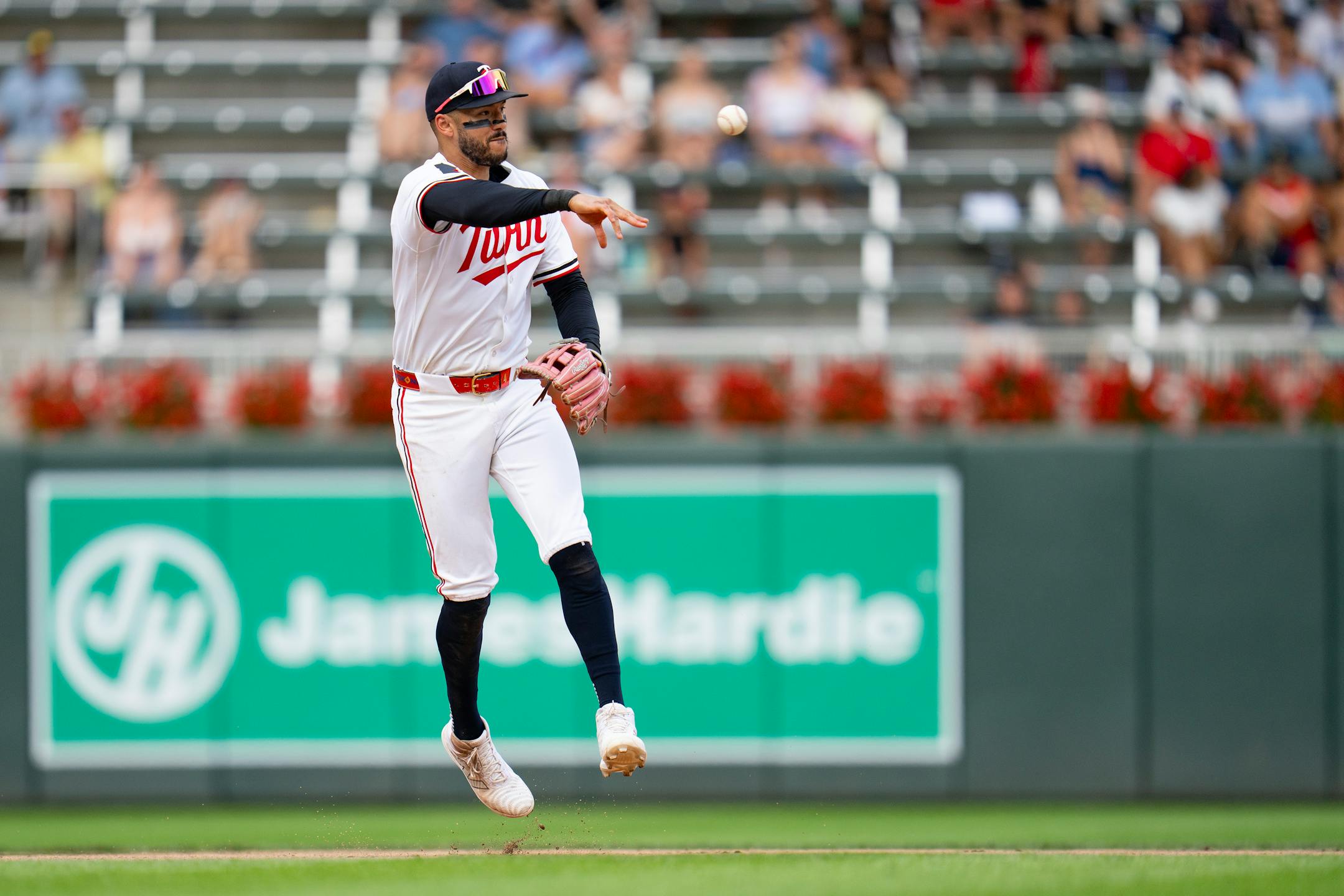
The Twins head into the latter stages of the MLB season with lots of new faces after restructuring their roster dramatically. (Alex Kormann/The Minnesota Star Tribune)

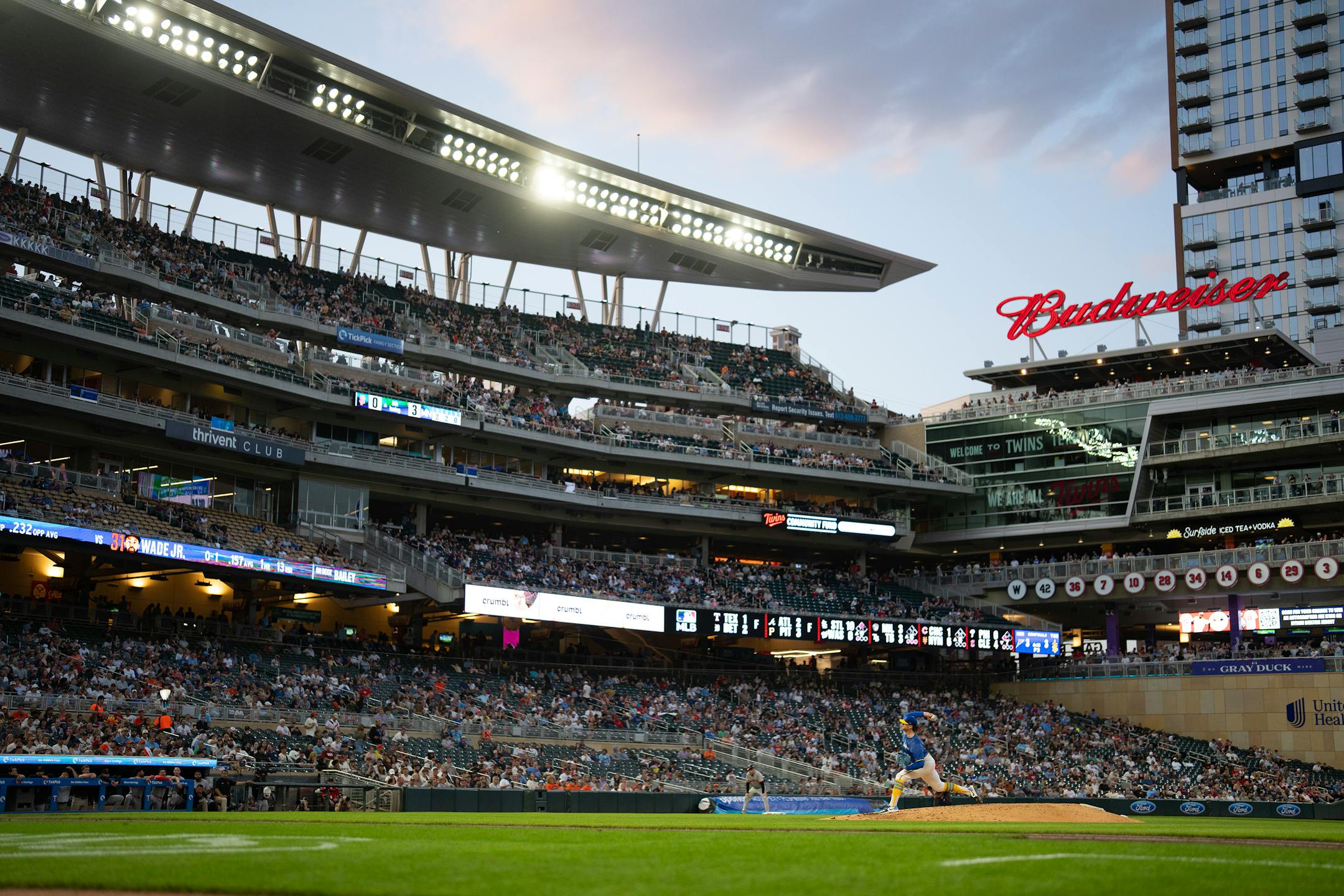
About two dozen members of the Twins front office moved around a suite-level board room on July 31. From that spot, a room renamed after the Twins community fund, they engineered the largest trade deadline sell-off in modern baseball history.

The dealmaking was stunning in its scope. Carlos Correa, signed to the largest free-agent contract in team history, was gone. Closer Jhoan Duran, setup man Griffin Jax and three other top relievers were among others sent out of town.

In a little more than 96 hours, the Twins traded away 11 players. The moves stunned the baseball industry, stripping down more than a third of a roster midseason, and triggered more anger from the fan base.

With the Pohlad family exploring a sale of the club, the Twins slashed up to $26 million from their 2025 payroll and saved $70 million from Correa’s long-term contract.

Derek Falvey, the team president, labeled the moves as an organizational reset.

Really, it was a shock to the system.

This is an inside look at the four days and unprecedented trade deadline action that reshaped the Twins.
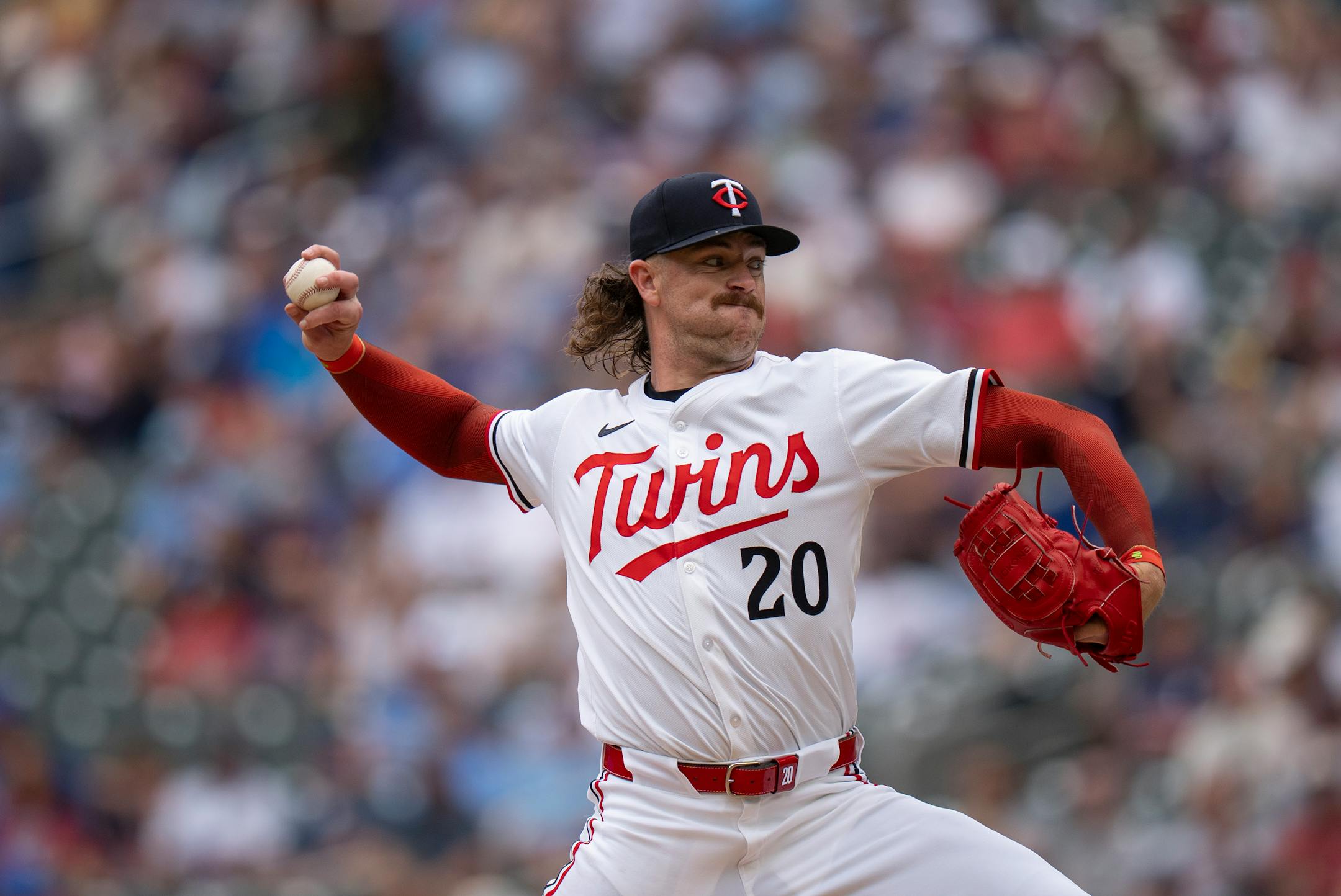
Chris Paddack (along with Randy Dobnak) served as a harbinger of what was to come for the Twins. (Jerry Holt/The Minnesota Star Tribune)

Monday, July 28

Trade: Pitchers Chris Paddack and Randy Dobnak to the Tigers for catcher Enrique Jimenez.

ADVERTISEMENT

There was a sense Paddack would be the first player traded because he was scheduled to start for the Twins on July 29. If a contending team wanted to add him to its rotation, it was one more start he could make for his new team.

One week before the July 31 trade deadline, General Manager Jeremy Zoll led intensive front office strategy meetings, along with Director of Pro Personnel Brad Steil and Director of Baseball Operations Nick Beauchamp, that reviewed the positional wants and needs for the other 29 teams. Inside their pro scouting group, a person is responsible for a specific division with a cross-focus on a positional group.

These pre-deadline meetings included presentations from members of the Twins player development staff and the organization’s research and development group. They studied the historical returns for similar trades. They grouped other teams’ prospects into tiers.

This was critical preparation. Coming out of the All-Star break, the Twins were open to being on the “buy” side of the trade deadline. But the team fell flat, losing its first two games against the Rockies, who could set a major league record for losses in a season. The Twins lost a series against the Dodgers and played poorly at home vs. the Nationals, solidifying their direction as deadline sellers.

“We had been hovering around or under .500 for a period of time and just couldn’t quite get things going,” Falvey said.

The Yankees, Rays and Reds expressed varying levels of interest in Paddack before the Twins chose Jimenez, a switch-hitting 19-year-old catcher, as the prospect they wanted in return. The Tigers took on Dobnak’s salary, $1.5 million when including a buyout for next season, as part of the trade, which signaled the importance of shedding payroll at the deadline.

Tuesday, July 29

Teams around the league believed the Twins wanted to cut payroll this summer. Falvey disputed that publicly, but the Astros thought the Twins might be motivated to move Correa.

The Twins have accumulated more than $400 million in debt, a number first reported by the Athletic, and that complicates the team sale process.

Houston, believing the Twins could be desperate to shed Correa’s future salaries off their books, wanted the Twins to pay down half of Correa’s remaining contract (about $52 million) while including a major league player in the deal, according to multiple sources familiar with the trade negotiations.

The Twins quickly declined.

On the field, trade speculation hovered. When Duran walked to the bullpen in the third inning of the Twins’ game vs. the Red Sox — normal timing for closers — he high-fived teammates and gave a hug to bullpen catcher Frank Nigro. Duran did this every game, but when it was shown on a TV broadcast, it stoked social media rumors of an imminent trade.

The mood shifted in the clubhouse. “It started with the hug,” one person said. Paddack’s trade showed the Twins intended to act as trade deadline sellers. Many players wondered if they would be next.

Interest in closer Jhoan Duran, shown leaving the field on the day he was traded, was high as the Twins neared the trade deadline. (Rebecca Villagracia)

Wednesday, July 30

Trade: Closer Jhoan Duran to the Phillies for catcher Eduardo Tait and pitcher Mick Abel.

Enough teams viewed Duran as one of the top two relievers available — the Athletics later traded All-Star Mason Miller — that the Twins progressed into final offers for Duran a day ahead of the deadline.

The asking price on Duran was generally viewed as a pair of top-100-caliber prospects. The Mariners, who have eight players on Baseball America’s Top 100 list, were deep into talks with the Twins but were reluctant to include two of their best prospects.

The Phillies refused to include righthander Andrew Painter, who is considered one of the best pitching prospects in baseball.

The Twins preferred the 18-year-old Tait (pronounced Tah-eet) over Aidan Miller, another top Phillies prospect, and they thought he had the highest upside compared to the prospects discussed with Seattle. Miller, 21, is already in Class AA, but there are concerns about his ability to stick at shortstop.

It was the first time a player from Baseball America’s Top 100 prospects list was dealt at the deadline in two years (the A’s moved Mason Miller for a higher-rated prospect the next day). Tait has legitimate power, rare for catchers, and he’s one of the youngest players to reach High-Class A this year.

Abel, 23, recently moved off Baseball America’s Top 100 after the latest draft class was added.

“I do think that having Abel close to the big leagues made a difference,” Dave Dombrowski, the Phillies president of baseball operations, told reporters afterward.

The Duran deal was completed after the Twins finished their final game before the trade deadline, a 13-1 loss to the Red Sox. Correa and his agent, Scott Boras, first learned about the trade talks with the Astros that morning, and Correa later met with Falvey. Correa said he would waive his no-trade clause for one place: Houston.

The afternoon game had awkward moments. Manager Rocco Baldelli wanted to give Willi Castro, certain to be traded, an appreciative send-off. Ty France was set to enter as a pinch runner if Castro reached base in his last two at-bats. Instead, Castro was pulled before the start of the ninth inning and figured he had been traded.

Jax pitched in the ninth inning, a seven-run game, and faced three batters. Once he gave up a run, Baldelli removed him for a position player to pitch, which is only allowable once a team is down by eight runs. The move infuriated Jax because the leftover runners would affect his ERA, and the pitcher was shown on TV yelling in the dugout afterward. He later apologized to Baldelli.

It was the second time in a week Jax publicly disagreed with his manager. He didn’t like the decision to intentionally walk Shohei Ohtani in a one-run game at Dodger Stadium — Dodgers manager Dave Roberts thought it was the right move — and Jax gave up a walk-off hit to Freddie Freeman after he walked light-hitting outfielder Esteury Ruiz.

Twins outfielder Harrison Bader was coveted by the Phillies for his righthanded bat. (Rebecca Villagracia/The Minnesota Star Tribune)

Thursday, July 31: Deadline day

Morning trades: Outfielder Harrison Bader to the Phillies for outfielder Hendry Mendez and pitcher Geremy Villoria; pitcher Brock Stewart to the Dodgers for outfielder James Outman.

Twins executives returned to their Target Field board room at 7:30 a.m., while members of the training staff began reviewing medical records.

There was a member of the front office responsible for giving periodic reminders on how much time was left before the deadline. Falvey, Zoll and assistant general managers worked their phones at a table in the middle of the room, sometimes walking to nearby suites for phone conversations.

The Twins knew the Phillies wanted a righthanded-hitting outfielder, and there were brief discussions about packaging Duran and Bader into one deal, but the Twins preferred to deal Duran separately.

Stewart’s trade value was more commensurate with a rental reliever because of his injury history. The Dodgers didn’t show much interest in Duran or Jax, and the Twins valued Outman more than the prospects who were discussed.

The Twins were unloading salary more than they were unloading a player when they sent Carlos Correa to Houston, the only team to which he would accept a trade. (Alex Kormann/The Minnesota Star Tribune)

Midday trade: Shortstop Carlos Correa to the Astros for pitcher Matt Mikulski.

The trade talks between the Twins and Houston looked dead until the Astros backed off their request for the Twins to pay down half of Correa’s contract, along with including another major league player.

Houston didn’t rule out attempting to acquire St. Louis third baseman Nolan Arenado, but the Twins sensed Correa was, by far, their top target. It turned into a salary dump trade — the Twins paid down $33 million — but it’s a deal that required owner Joe Pohlad to sign off and Major League Baseball’s approval because of the money involved.

In one swoop, the Twins lost one of the faces of their franchise and the Astros celebrated Correa’s return.

Late afternoon trades: Reliever Danny Coulombe to the Rangers for pitcher Garrett Horn; utilityman Willi Castro to the Cubs for pitchers Ryan Gallagher and Sam Armstrong.

The Twins knew Coulombe and Castro would be traded because they were pending free agents. Both players had several interested teams, but they weren’t necessarily at the top of the pecking order for their respective positions.

Trade talks with Texas, for Coulombe, accelerated after the Cubs accepted a deal to acquire former Twins lefthander Taylor Rogers.

Castro was a fallback plan for a few teams that added third basemen during the deadline week. The Mariners won the Eugenio Suárez sweepstakes. The Yankees acquired both Ryan McMahon and Amed Rosario, who is Castro’s brother-in-law, and the Astros picked up Correa and Ramón Urías.

Last-minute trades: Reliever Louie Varland and first baseman Ty France to the Blue Jays for outfielder Alan Roden and pitcher Kendry Rojas; reliever Griffin Jax to the Rays for pitcher Taj Bradley.

The Twins sought a package of prospects for Jax similar to the one they received in the Duran deal, and Jax’s market didn’t pick up until the last day. Tampa Bay was straddling the line between buyer and seller after playing poorly that week.

Bradley was demoted to the minor leagues about a week before the trade deadline, so the Twins had many internal conversations about him before it developed into a one-for-one trade. Some Twins players suspect the Rays will try to convert Jax to a starter this offseason.

Jax requested through his agent to be traded after Correa was dealt, sources confirmed, but the Twins were prepared to hold on to him if trade talks fell through. The Twins didn’t agree to the deal until the last half-hour before the deadline.

The Varland trade surprised Twins players the most. The North St. Paul native looked fantastic in the bullpen this year, and he is five years from reaching free agency. Even with all the payroll considerations, Varland will make around the league minimum salary next year.

Toronto pushed hard for him, and the Twins thought they received a lot in return. Inside the Target Field board room, there was excitement they picked up Rojas, a 22-year-old lefthander. He might not show up on lists of top-100 prospects, but he was good enough that he skipped past Class AA after only four starts with 30 strikeouts and two walks. The Twins envision Roden, who hit .302 in his minor league career, as a potential regular starter.

“We weren’t actively shopping certain guys that we traded this deadline, Louie Varland being a clear case,” Falvey said. “We told them to be motivated it would take real upper-level talent, impact talent.”

The aftermath

After the deadline passed, with a dizzying seven trades completed on the final day, there was more work to be done. The Twins had eight spots to fill on their major league roster for Friday’s game at Cleveland, and that would create a large ripple effect to backfill players at the subsequent four minor league affiliates.

Before they started hours-long work on resetting their post-deadline rosters, the front office staff took a 20-minute break to process everything that had just happened.

The Twins, in many respects, were starting over.

about the writer

about the writer

Bobby Nightengale

Minnesota Twins reporter

Bobby Nightengale joined the Minnesota Star Tribune in May, 2023, after covering the Reds for the Cincinnati Enquirer for five years. He's a graduate of Bradley University.

See Moreicon

More from Twins

See More
card image
Mike Janes

Winokur, a 6-foot-6 shortstop and center fielder, hit .226 with 17 homers, 68 RBI and 26 stolen bases in high Class A this year.

card image
card image