

In a unanimous decision, the Minnesota Supreme Court on Wednesday upheld the “severe or pervasive” legal threshold for sexual harassment claims in the workplace in a case involving a former employee of a residential care nonprofit.
The court also noted in its ruling that the legal standard for such claims “must evolve to reflect changes in societal attitudes toward what is acceptable behavior in the workplace.”
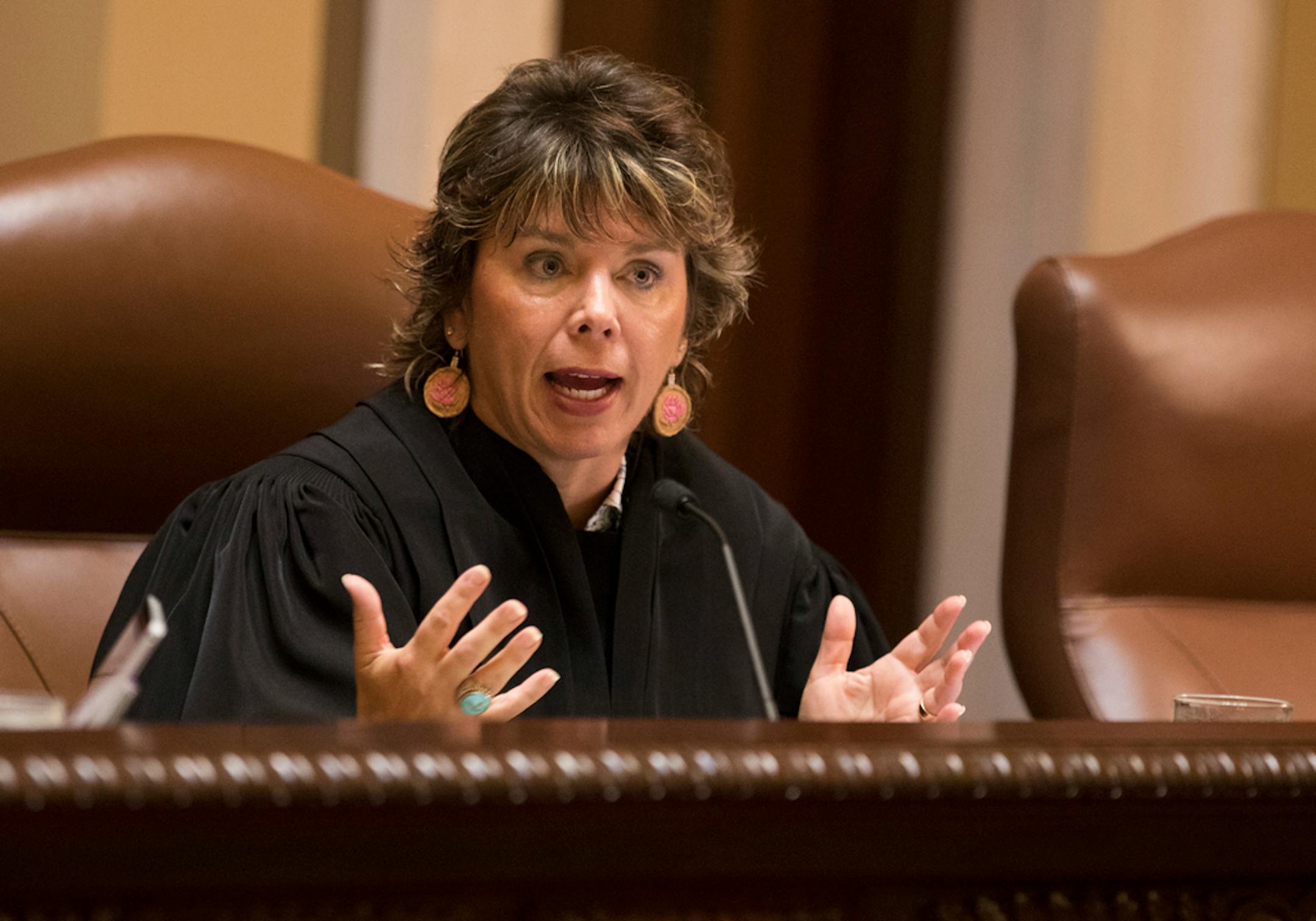
Justice Anne McKeig wrote the 20-page opinion, which said that people today would “likely not tolerate” the workplace behavior “that courts previously brushed aside as an ‘unsuccessful pursuit of a relationship.’ ”
The decision sends the case back to the Hennepin County District Court. The lower court previously dismissed Assata Kenneh’s claims of sexual harassment filed under the Minnesota Human Rights Act. The Court of Appeals affirmed that decision.
Kenneh started with Homeward Bound in 2014 and said the harassment from a maintenance worker began when she moved to a position as program resource coordinator in Brooklyn Park in 2016. Homeward Bound is a nonprofit that operates residential care facilities for people with disabilities.
The Supreme Court didn’t address the substance of Kenneh’s claims in her lawsuit but said she had provided sufficient evidence to take the case to trial. The court said a jury should determine whether what she faced rose to the level of severe or pervasive harassment.
The ruling said that for an abusive working environment to exist, sexual harassment must be more than minor and must be “both objectively and subjectively offensive in that a reasonable person would find the environment hostile or abusive and the victim in fact perceived it to be so.”
Kenneh claimed that every time maintenance employee Anthony Johnson saw her, he would say something to the effect of “you look pretty” or “hey sexy.” He continued the behavior even after she reported it to a supervisor, Kenneh claimed.


