Changes, cuts in government loan programs leave nonprofits that aid small businesses scrambling

MEDA and other nonprofits trying to fill funding gaps as government programs change.

The Minnesota Star Tribune
August 13, 2025 at 12:10AM
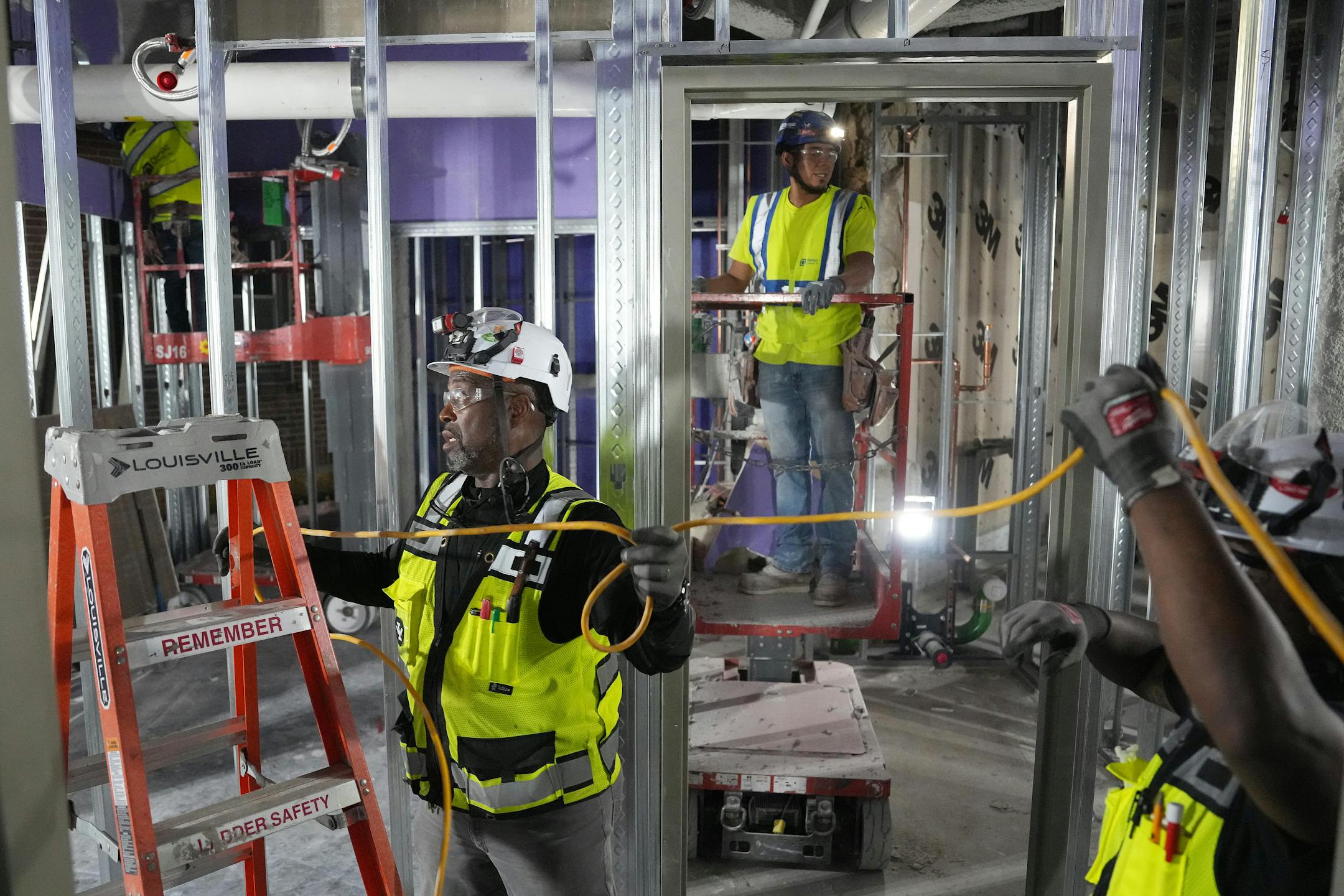
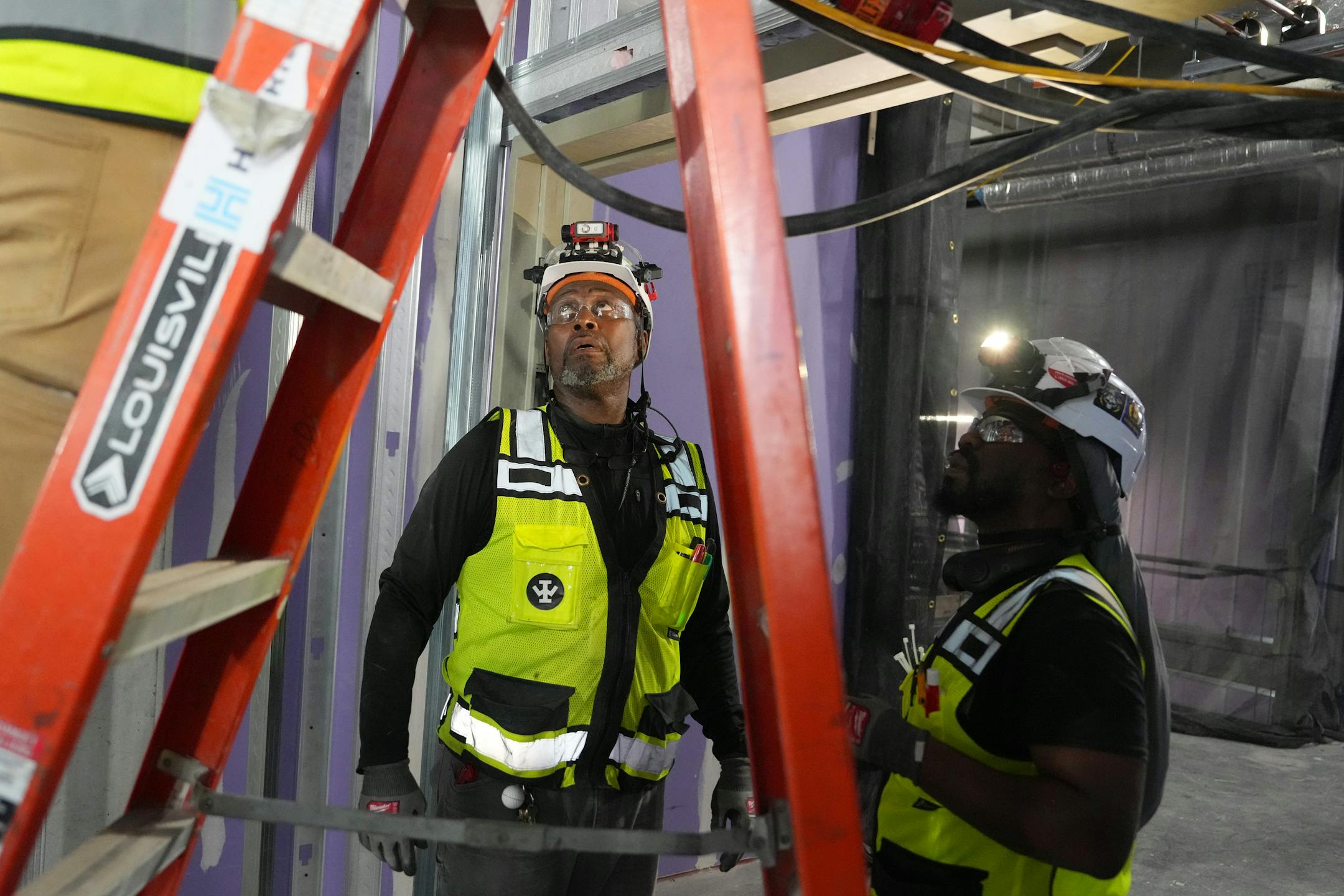
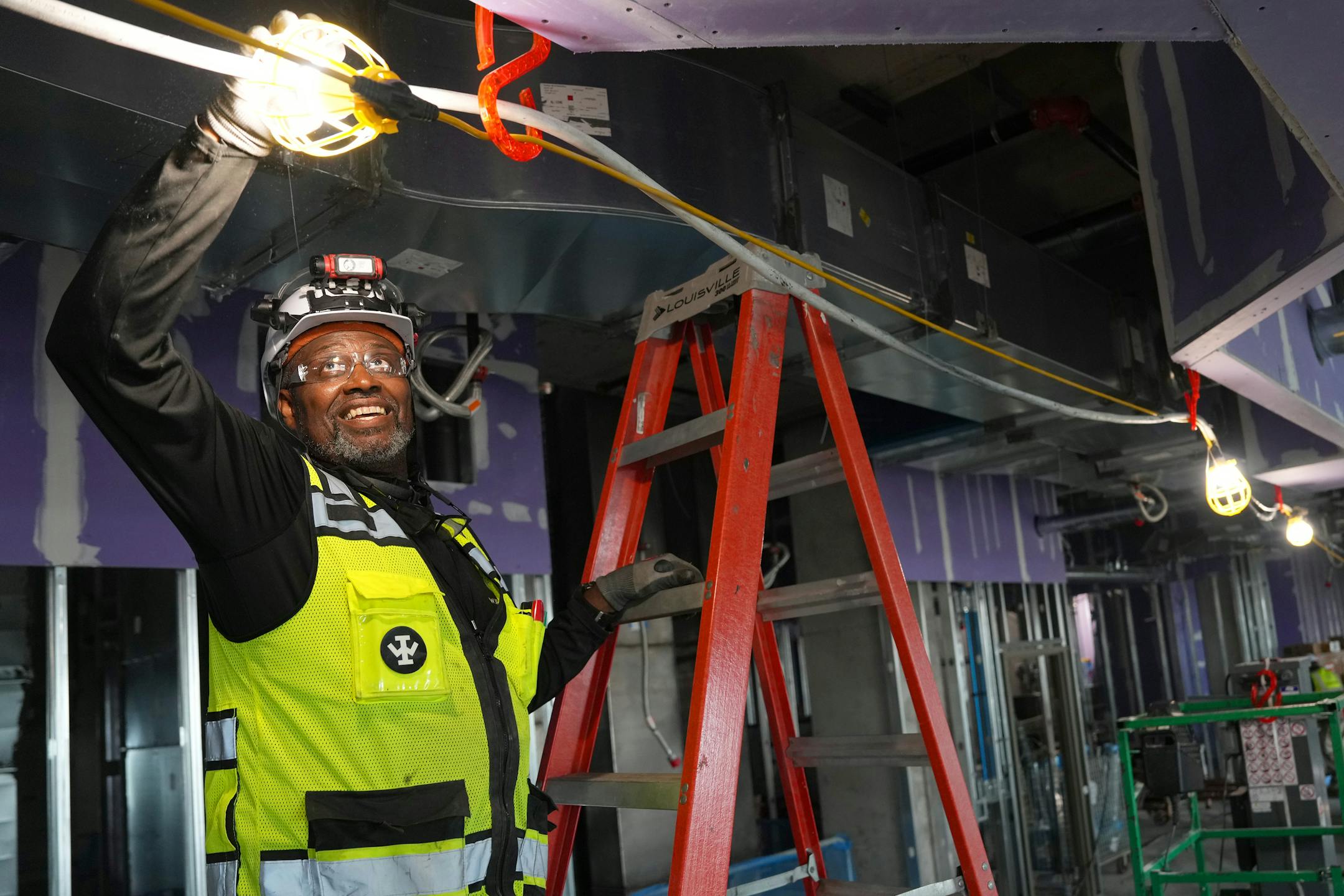
WJRJ Electrical Co. owner Willie Roller Jr. and his crew install temporary lighting for workers around the construction site of the $600 million Richard M. Schulze Surgical and Critical Care Center at Abbott Northwestern Hospital on Thursday in south Minneapolis. (Anthony Souffle/The Minnesota Star Tribune)

Willie Roller Jr. was three days from closing on a loan so his electrical company could hire more workers, tackle bigger jobs, and finish installing power for the new Abbott Northwestern Hospital building in Minneapolis.

But then came the call. WJRJ Electrical Co. no longer qualified for the loan he was counting on to expand his payroll and buy another truck so he could begin a new contract and grow his business.

In Roller’s case, the state changed the way it interpreted the qualifications for the loan program,

Growing restrictions and slashed resources from both the Minnesota and federal governments are making it harder for community development lenders helping small business owners like Roller.

The lenders are increasingly scrambling for new ways to fill gaps, said Adrian Ruddock, chief credit officer at the Metropolitan Economic Development Association (MEDA), the nonprofit that handled Roller’s loan and coaches and funds 800 minority-owned companies each year with an $18 million budget.

For the Northside Economic Development Network (NEON), a nonprofit that assists Black-owned businesses, the effect is not direct but impactful nonetheless.

NEON doesn’t rely on any federal funding, but state and city programs “are being squeezed,” said NEON President Warren McLean. Fresh federal cuts may also be pressuring the private and corporate foundations NEON relies on to fill funding gaps.

“It is an ongoing issue, and we are learning as the marketplace and partner nonprofits in the area navigate our new economic reality,” said Felipe Galvan, NEON’s operations director.

In January, President Donald Trump issued an executive order ending all federal contracts and grants that support diversity efforts.

In March, he issued another order eliminating much of the $110 million federal Minority Business Development Agency (MBDA), which pays MEDA and 130 other centers nationwide to provide business and technical assistance to thousands of minority-owned companies like Roller’s.

The Trump administration also laid off 90% of MBDA workers.

After court challenges, the U.S. Commerce Department informed MEDA in April that the government would indeed fund the fifth and final year of MEDA’s MBDA contract.

But the $375,000 has yet to arrive.

“The current administration, under the guise of efficiency, doesn’t seem to be thoughtful about its approach,“ Ruddock said. ”It’s using a sickle rather [than] a scalpel" and that harms jobs, wages and revenue in cities that need all three.

Trump’s supporters say the government funds too many programs and also that many programs have too high a budget and need to be run more efficiently.

George Jacobson, who runs MEDA’s federally contracted minority business development center, said MEDA is executing a new fundraising campaign to help cover expenses while hoping the government will eventually deliver the funding.

Until it does, MEDA is on the hook to process clients’ loans and grants, generate administrative reports to the government and pay the accountants, lawyers, consultants and software firms it uses, Jacobson said.

WJRJ Electrical Co. owner Willie Roller Jr. and his crew install temporary lighting for workers around the construction site inside the new $600 million Richard M. Schulze Surgical and Critical Care Center at Abbott Northwestern Hospital. (Anthony Souffle/The Minnesota Star Tribune)

In Roller’s case, the state used to allow use of Promise Act loan money basically based on where the work and hiring was done.

This time, the state considered that WJRJ had a new mailing address in the suburbs, outside the qualifying census tracts for the program.

“It was a shock. All WJRJ’s work was still done in Minneapolis,” Ruddock said.

MEDA said it asked the state to reconsider. It still said no, so the nonprofit went to work finding another way to fund the loan.

The pivot worked, but the loan closed six weeks later and at nearly double the initial interest rate.

State officials declined to comment about Roller’s loan and referred inquiries to MEDA, but first noted that loan rules always included a geographic requirement. MEDA officials said the interpretation had changed.

Either way, Roller is pleased with MEDA’s intervention.

“That MEDA loan [for $250,000] helped us tremendously,” said Roller, an Alabama native, former University of Minnesota football player and master electrician.

Roller started his own company six years ago, mostly doing large subcontracting jobs for Mortenson Construction and Parsons Electric.

WJRJ has now done work at U.S. Bank Stadium, Target Field, Huntington Bank Stadium and several light rail stations.

The company’s annual revenue is now roughly $1 million, with targeted plans to grow to $5 million to $10 million over the next five years, Ruddock said.

With MEDA’s working capital secured, WJRJ is in a good position to bid on the next construction phase of the massive Allina project, said officials at both Mortenson and Parsons. If won, the new work would secure another year of employment for his workers, Roller said.

WJRJ Electrical Co. owner Willie Roller Jr. and his crew install temporary lighting for workers around the 10-story construction site of the Richard M. Schulze Surgical and Critical Care Center at Abbott Northwestern Hospital in Minneapolis. (Anthony Souffle/The Minnesota Star Tribune)

Thursday, five WJRJ electricians and apprentices installed miles of black cable, lights and air conditioning for the construction crews building the hulking 10-story surgery center at Abbott.

Roller pays $25 to $50 an hour and hopes he can eventually employ 25 permanent workers as more contracts come in.

“I want to make a way for my family and create a legacy and an opportunity for people in the trades,” Roller said. “We want to train people, provide union jobs, and [introduce] people to [the construction] trades. It’s a good living.”

about the writer

about the writer

Dee DePass

Reporter

Dee DePass is an award-winning business reporter covering Minnesota small businesses for the Minnesota Star Tribune. She previously covered commercial real estate, manufacturing, the economy, workplace issues and banking.

See Moreicon

More from Small Business

See More
card image
Alex Kormann/The Minnesota Star Tribune

With food prices hitting both restaurants and potential customers, diners have been cutting back, but restaurants remain hopeful.

card image
card image