

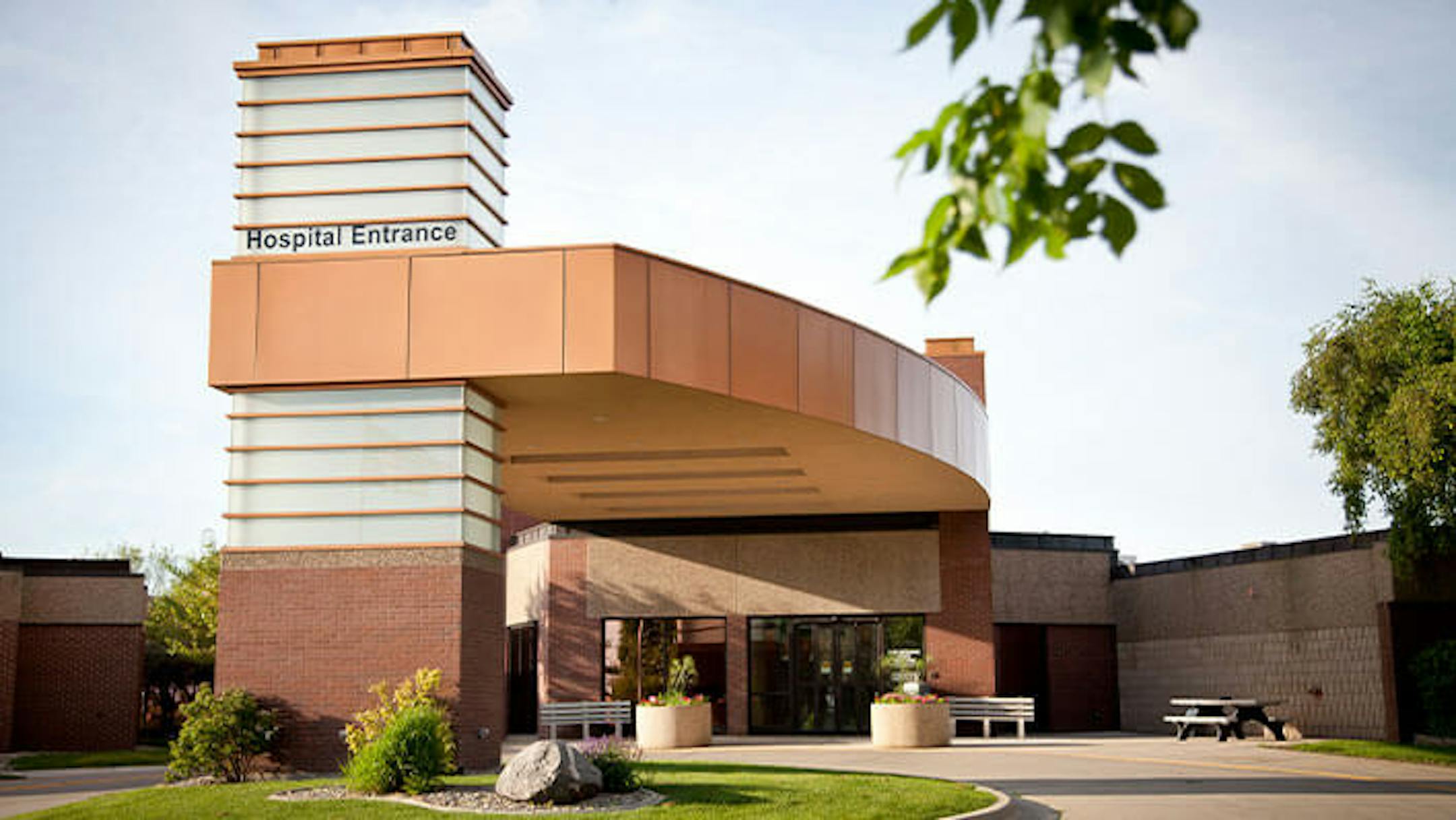
About $184,000 in medical debt has been forgiven thus far under an October legal settlement over bill collection practices at Hutchinson Health.
Located about 60 miles west of the Twin Cities, the hospital in 2019 adopted a new payment plan for medical debts as part of its transition to a new electronic health record system. State Attorney General Keith Ellison argued the switch wasn't fair to patients, however, since many faced ballooning payments as a result.
The settlement filed in Ramsey County District Court restored more favorable billing terms for some patients and created an ongoing chance for others to obtain discounts. In a news release this month, Ellison tallied the medical debt forgiven thus far and highlighted a June 30 deadline for certain patients to obtain discounts on medical debts incurred before November 2019.
"The process of working with the Attorney General and his team was helpful in showing where we could have improved this transition process," said HealthPartners, the Bloomington-based nonprofit that runs Hutchinson Health, in a statement. "We encourage individuals with questions about their bills or payment arrangements to contact us directly."
In a settlement agreement filed with the court last year, Hutchinson Health said it neither admits nor denies the allegations contained in the filing, which is called an "assurance of discontinuance."
Hutchinson Health agreed in 2017 to merge into HealthPartners, which operates eight hospitals and is one of Minnesota's largest nonprofit health insurance companies.
Like other nonprofits across the state, Hutchinson is subject to a broad agreement between hospitals and the attorney general over fair debt-collection practices. It calls for hospitals to develop payment plans that take into account patients' ability to cover their health care costs.
Before the 2019 technology switch, Hutchinson Health had payment plans with 896 patients that called for balances of $1,000 or less to be paid within one year, according to the settlement agreement. Larger balances were to be paid within 24 months under the old policy and patients could pay as little as $50 per month.


