

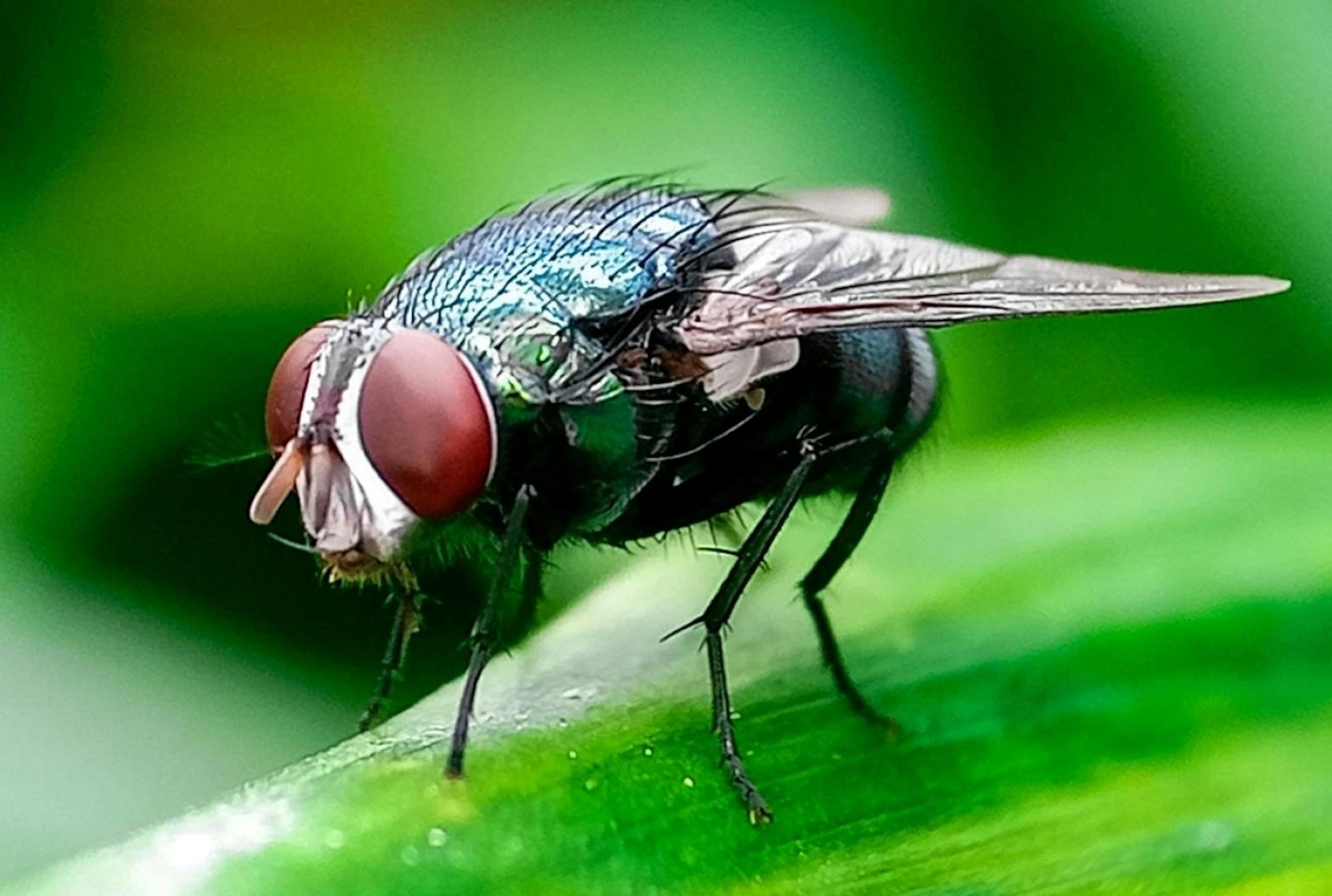
A gruesome flesh-eating parasite, eradicated from the U.S. for decades, is once again casting a shadow over the nation’s livestock industry, and Minnesota officials are urging farmers and pet owners to be vigilant.
The New World screwworm, a maggot that feeds on the living tissue of warm-blooded animals, was recently detected in Maryland in a person who had traveled to El Salvador, the U.S. Department of Agriculture announced this week.
It’s the first reported U.S. case tied to travel to a country with a current outbreak.
The case is a “wake-up call” for Minnesota’s farmers, said Thom Petersen, commissioner of the state’s Department of Agriculture, in a phone call this week.
“We want farmers to take it seriously,” said Petersen, who recently spoke on a panel on the issue at Farmfest, an annual gathering of agricultural leaders in Morgan.
Some farmers believe that Minnesota is safe from screwworm infestation because of its cold winters, but the flies can probably survive in this state due to recent warmer temperatures, Petersen said.
The screwworm once was endemic in the U.S. until successful eradication programs that began in the 1950s dropped sterile male flies into Texas, Mexico and Central America to disrupt the reproductive cycle, eventually pushing the parasite south of Panama.
There have been no detections of screwworms in the United States in livestock or other animals since the most recent outbreak in the Florida Keys in 2017, the USDA statement this week said.


