

Opinion editor’s note: Strib Voices publishes a mix of guest commentaries online and in print each day. To contribute, click here.
•••
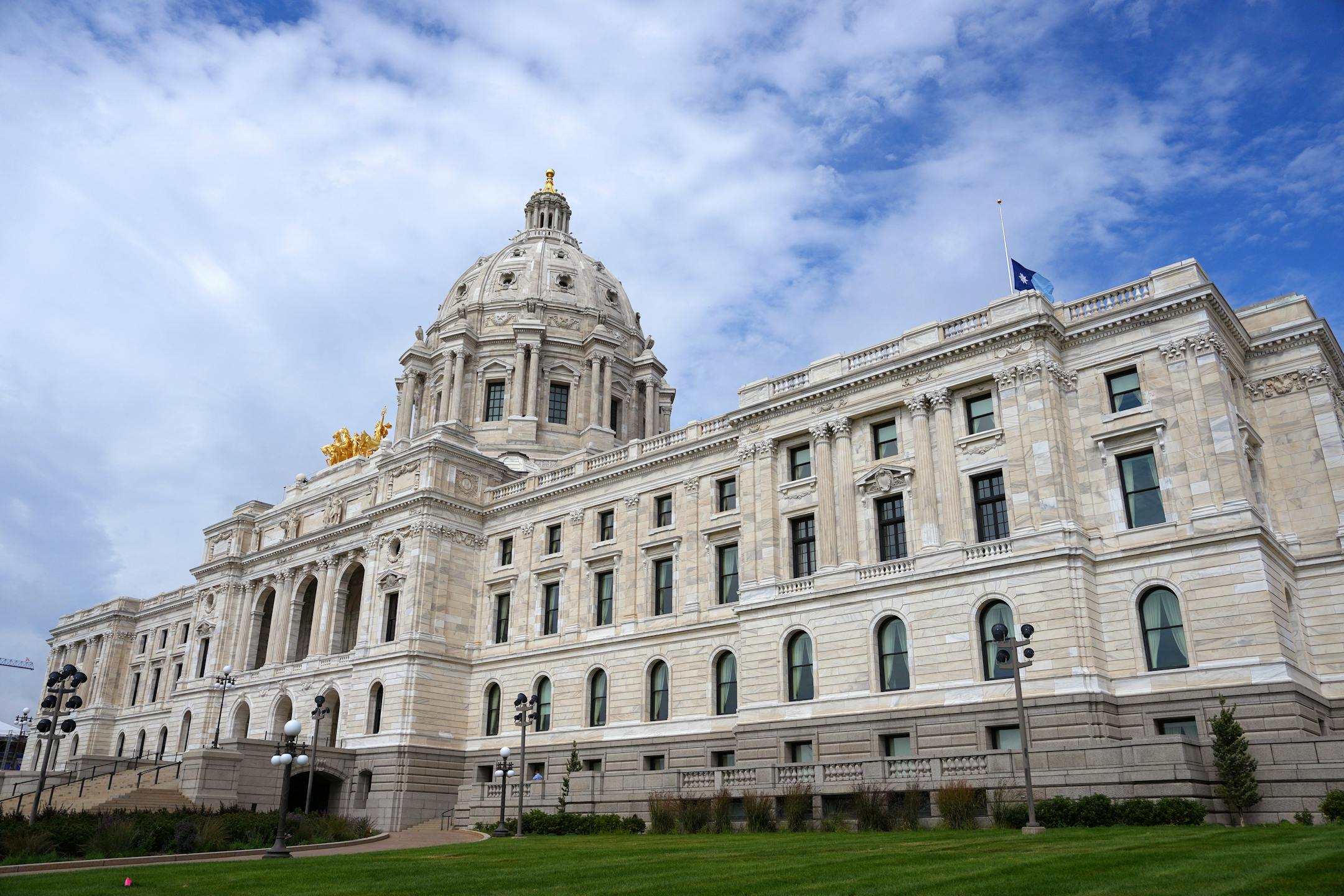
This year we have seen that University of Minnesota students are passionate and active civic servants, keenly aware of community events, ready to act according to developments. As the state legislative session begins on Feb. 17, there has never been a better time than now for students to ride the light rail over to the State Capitol to provide testimony at committee hearings.
Since I first started providing public testimony last session, I have learned the power behind speaking to legislators. I have noticed, however, that it is rare to see young people attending these meetings. When I ask people on campus if they have provided testimony before, many don’t even know what testimony is. Often, people confuse testimony with providing a deposition.
Public testimony is an avenue of civic engagement that very few students take up. Typically, this is because they are not aware they can participate. Often, the Legislature and politicians can feel hard to reach, removed from everyday life, or simply unapproachable. However, the institutions of our government are designed to allow for greater engagement with the public.
In the Minnesota House and Senate, there are committee hearings held throughout the week for the purpose of discussing and debating the contents of bills and other issues of the day. The design of these meetings is constructed with the intention of allowing the public to be seen and heard. Most meeting rooms typically have a table with members of the committee, as well as legislative assistants, and seating for the public, guests and lobbyists. The floor plans themselves are designed to make people feel more included.
During these meetings, there is typically a time for public testimony. Public testimony is when a member of the public goes before committee members to express their viewpoint on a topic in scope of the discussion of the day. These public testimonies are intended to be directed toward members as representations of the opinions of constituents. Your statements are taken very seriously, as representatives understand there are likely thousands of people in the public who share your viewpoint.
Bills can be perceived as mere pieces of paper only until their impact on others is revealed. When testimony is given, it is heard. Providing public testimony and speaking directly to legislators puts a face to an issue. When legislators listen to arguments and perspectives on certain issues from the public, they are attentive and willing to hear your story. They will ask follow-up questions to gain a more thorough understanding of your perspective. They will change their vote if your statement is compelling enough.


