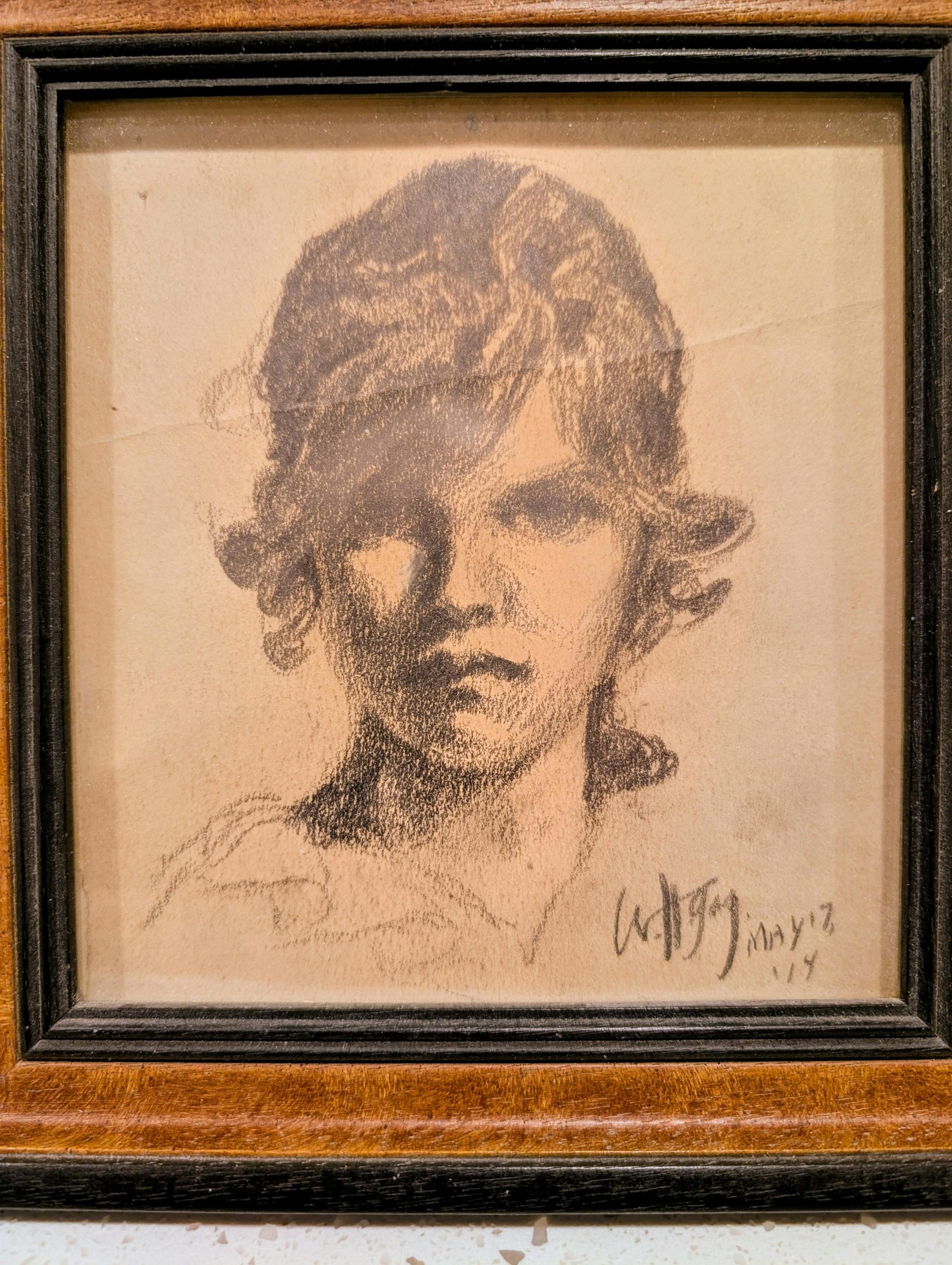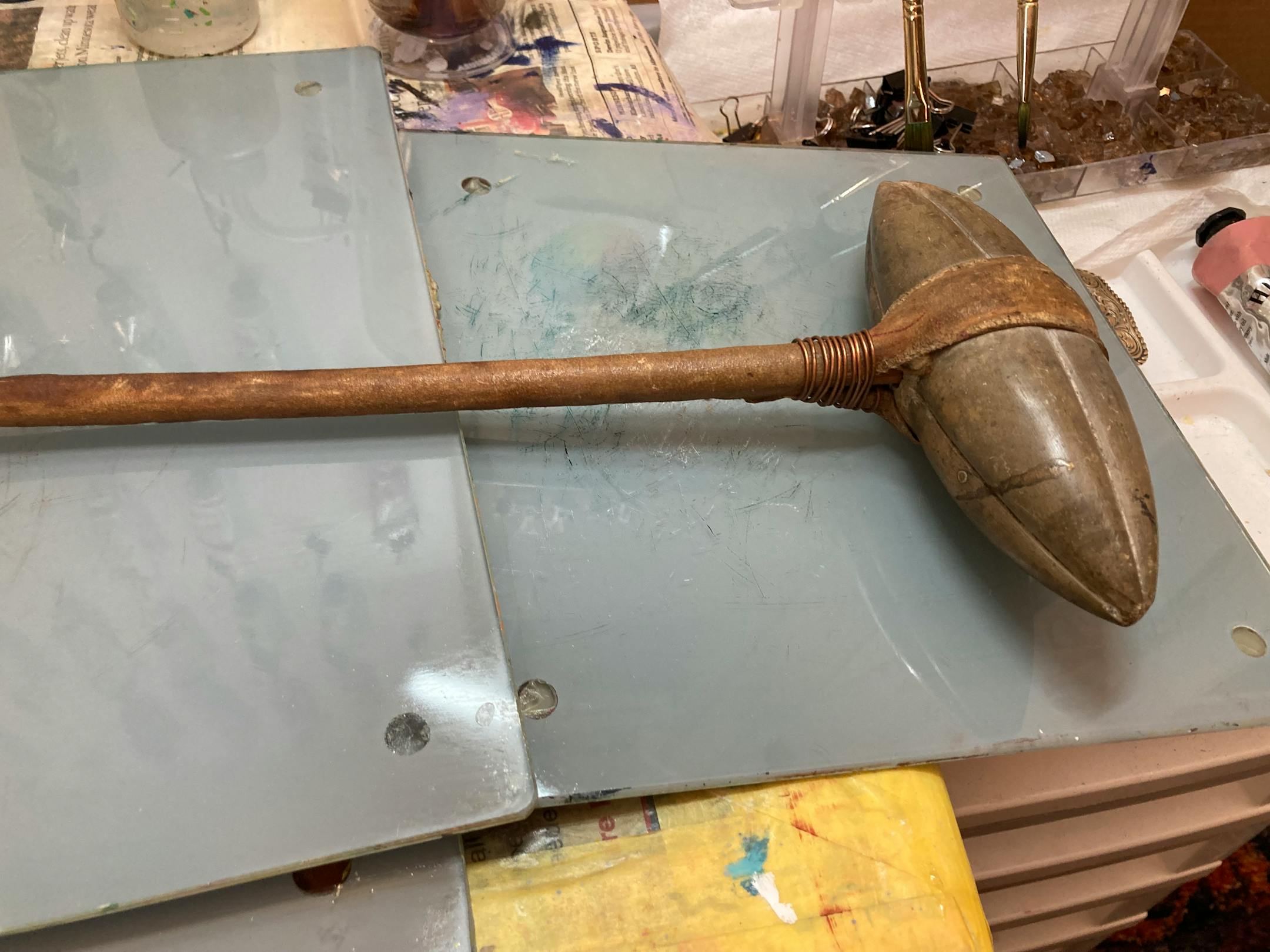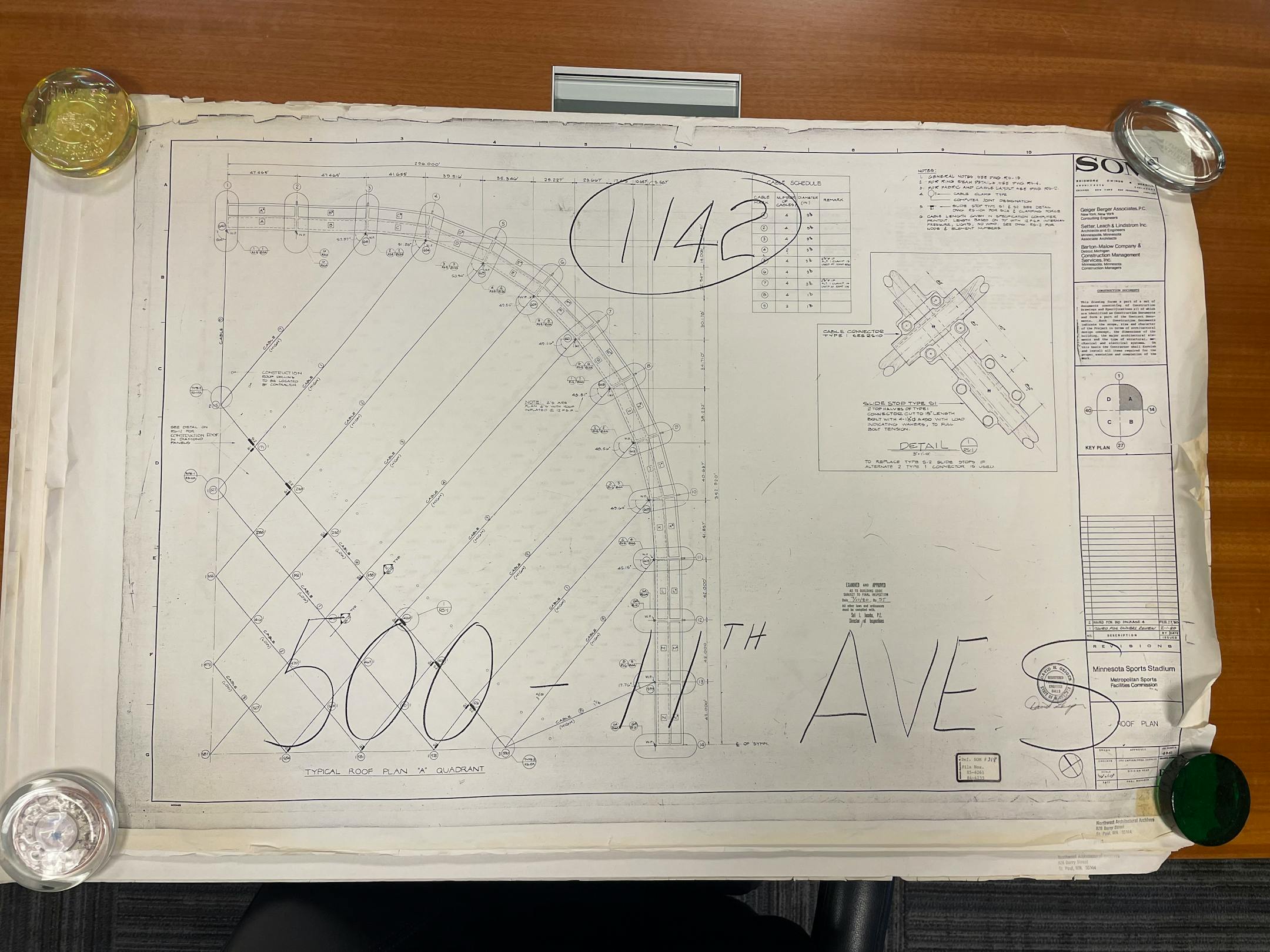
Six months out from retirement, Charles Spevacek has an estimated $2,000 on the floor of his Minneapolis law office. It’s got to leave the office when he does. But Spevacek doesn’t want the money, now rolled up in the form of the original blueprints to the Metrodome’s ill-fated roof.
“I’ve got an office full of memories,” Spevacek said. “This is a good memory.”
In October, the Minnesota Star Tribune asked readers what they had hiding in their offices and attics, basements and garages that might have historical value. Forty-five people sent responses, featuring several mysterious rocks, a rusted handgun and many letters, which we sent to appraisers.
Attics and basements will backdrop a tremendous societal shift, and possibly an uncomfortable one. Baby boomers are set to transfer an estimated $53 trillion to other generations in the next 20 years, most of it tied up as real estate or investments. But some of it is packed away in storage boxes or cluttered offices.
There, families may fight about what’s worth keeping. But they also might misjudge what’s valuable to collectors or significant to institutions, said Sean Blanchet, who appraised the Star Tribune items for Revere Auctions.
“The collectors and the families that hold the objects don’t always perceive value the same way,” said Blanchet, who has appraised art since 2010 and co-founded Revere in 2017.
History sells at auction, Blanchet said, even if it’s preserved in mundane ways. Indeed, paper was consistently among the most valuable things submitted by readers, scrawled with personal notes or unfinished manuscripts.
One respondent sent in letters from their uncle to his parents, which the reader thought had “no monetary value but maybe historic value.” Appraisers thought the letters might fetch as much as $400.