Cranberries can cause nose-wrinkling when it comes to Thanksgiving feasts — not everyone likes the tart taste or the can-shaped jellied versions — but they’ve earned their spot at the table.
The late-fall native fruit arguably ranks as more American than apple pie as the only apples native to North America are crabapples. Cranberries, by contrast, have been part of Native American diets and medicinal remedies for more than 12,000 years.
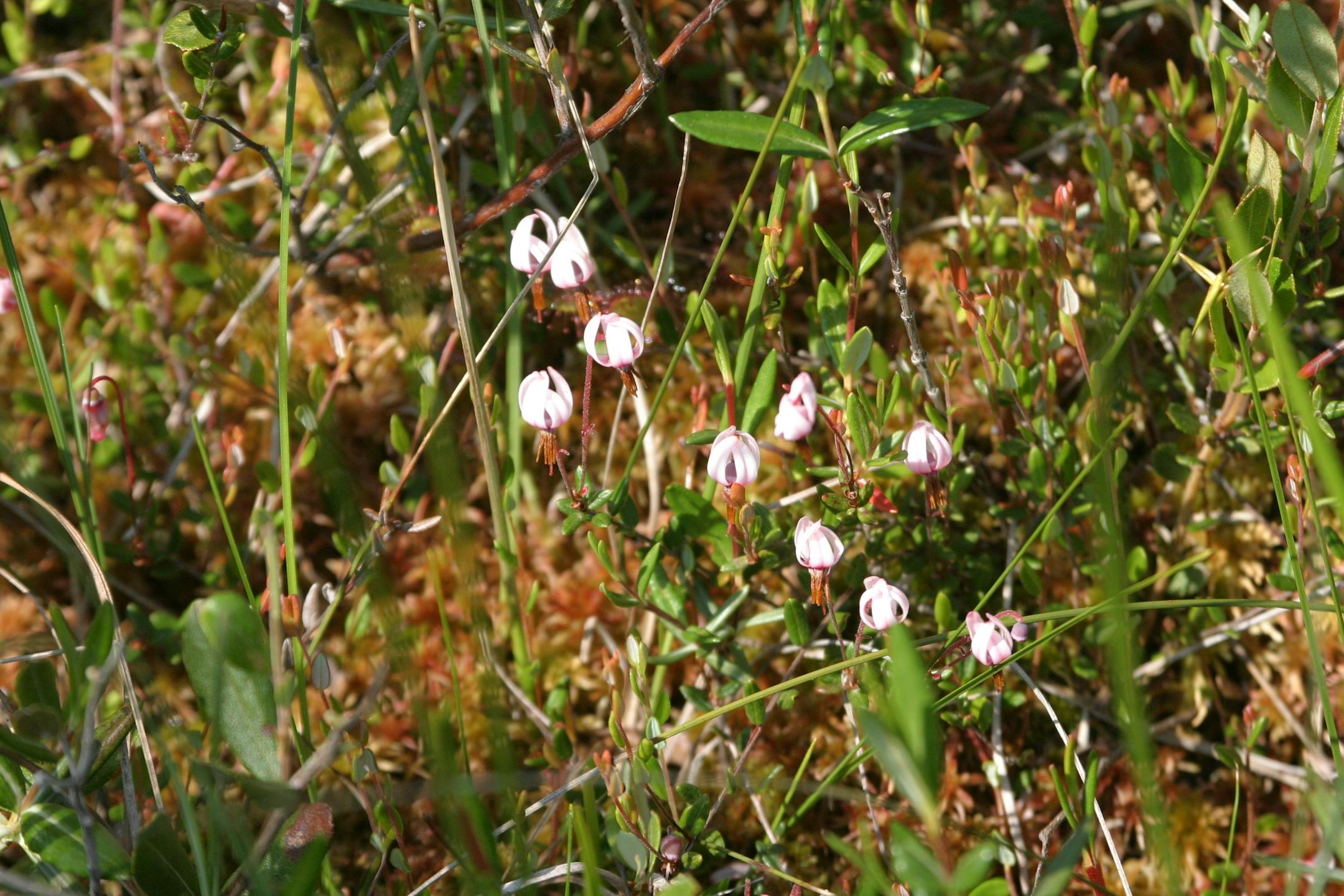
Minnesota has two native wild varieties: small cranberry (Vaccinium oxycoccos ) and large cranberry (Vaccinium macrocarpon). The latter inspired the first cultivated commercial operation in 1816 on a sandy site in Cape Cod.
An estimated 60% or more of cranberries that land on the nation’s grocery shelves —fresh, canned, dried or juiced — come from Wisconsin, where they’re the official state fruit.
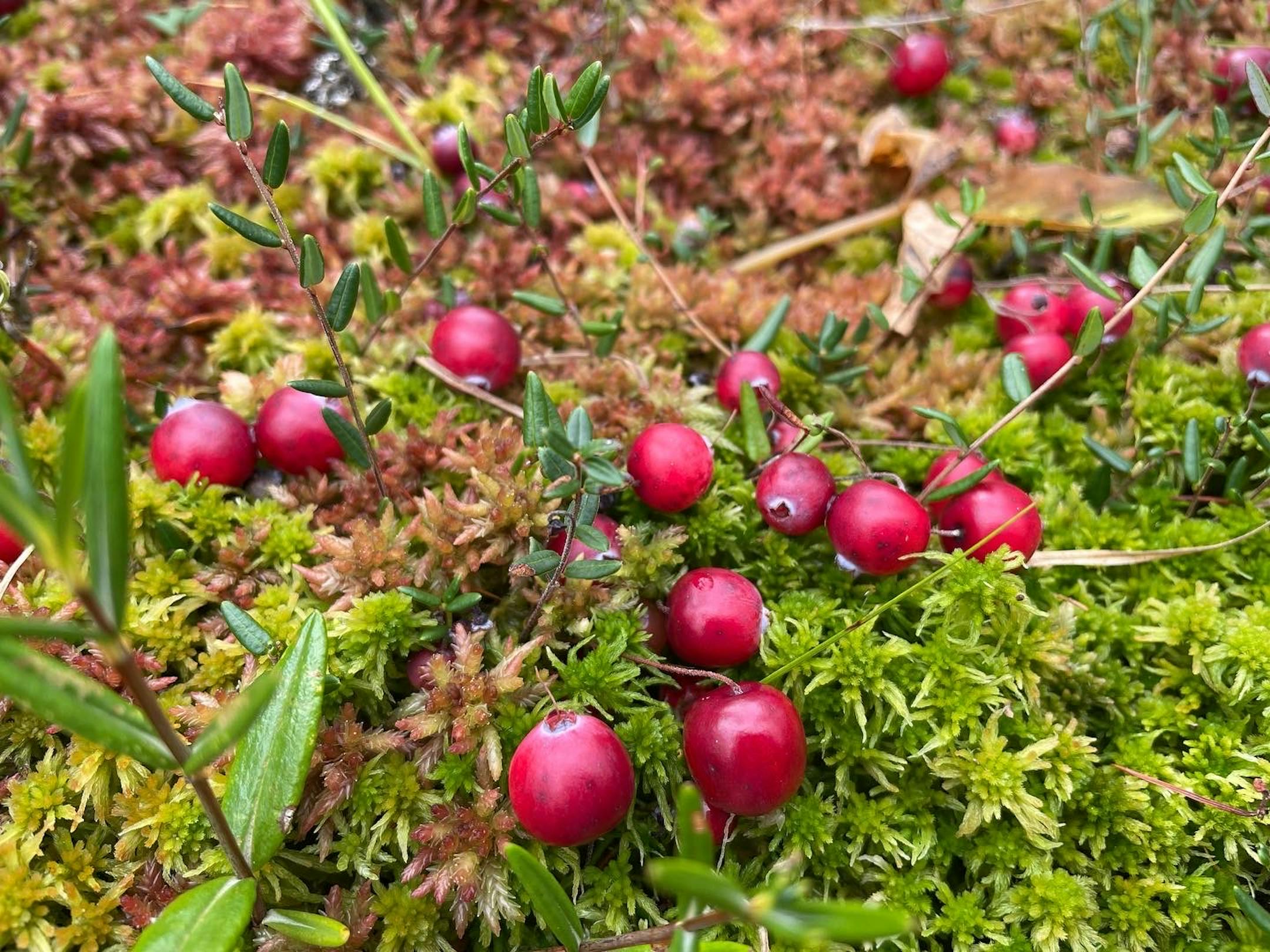
Considered a superfruit for its vitamins, antioxidants and other health benefits, cranberries thrive in sandy soil near acidic bogs. The plants often twine into sphagnum moss and can be challenging to find without rain boots or waders.
Cranberry terrain and sparser harvests make them less enticing to foragers than blueberries, wild raspberries and highbush cranberries, which aren’t a true cranberry. Like other wild versions of fruits, though, the smaller sizes do offer more intense flavors.
Cranberries ripen from late summer through fall with colors ranging from pink to ruby red. Lighter colored fruit usually comes from lower layers beneath small leathery leaves and partially shaded from sunlight. Cranberries, like grapes, can be harvested and eaten after a frost, but the trade-off for the sweeter taste is a squishy texture.
Check local rules on public lands such as wildlife refuges, national and states forests, and state parks before attempting any foraging and be aware that none is allowed in state Scientific and Natural Areas.