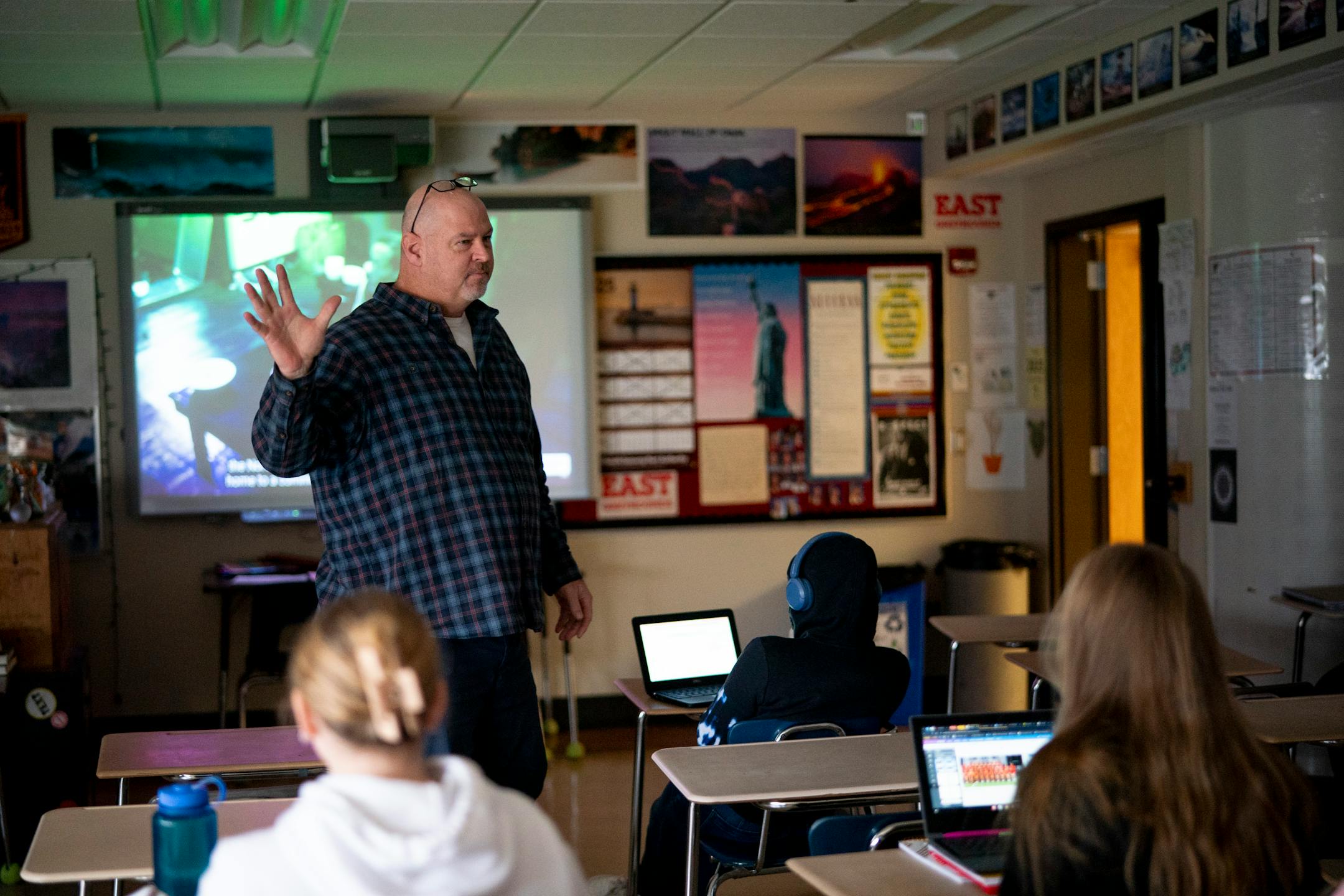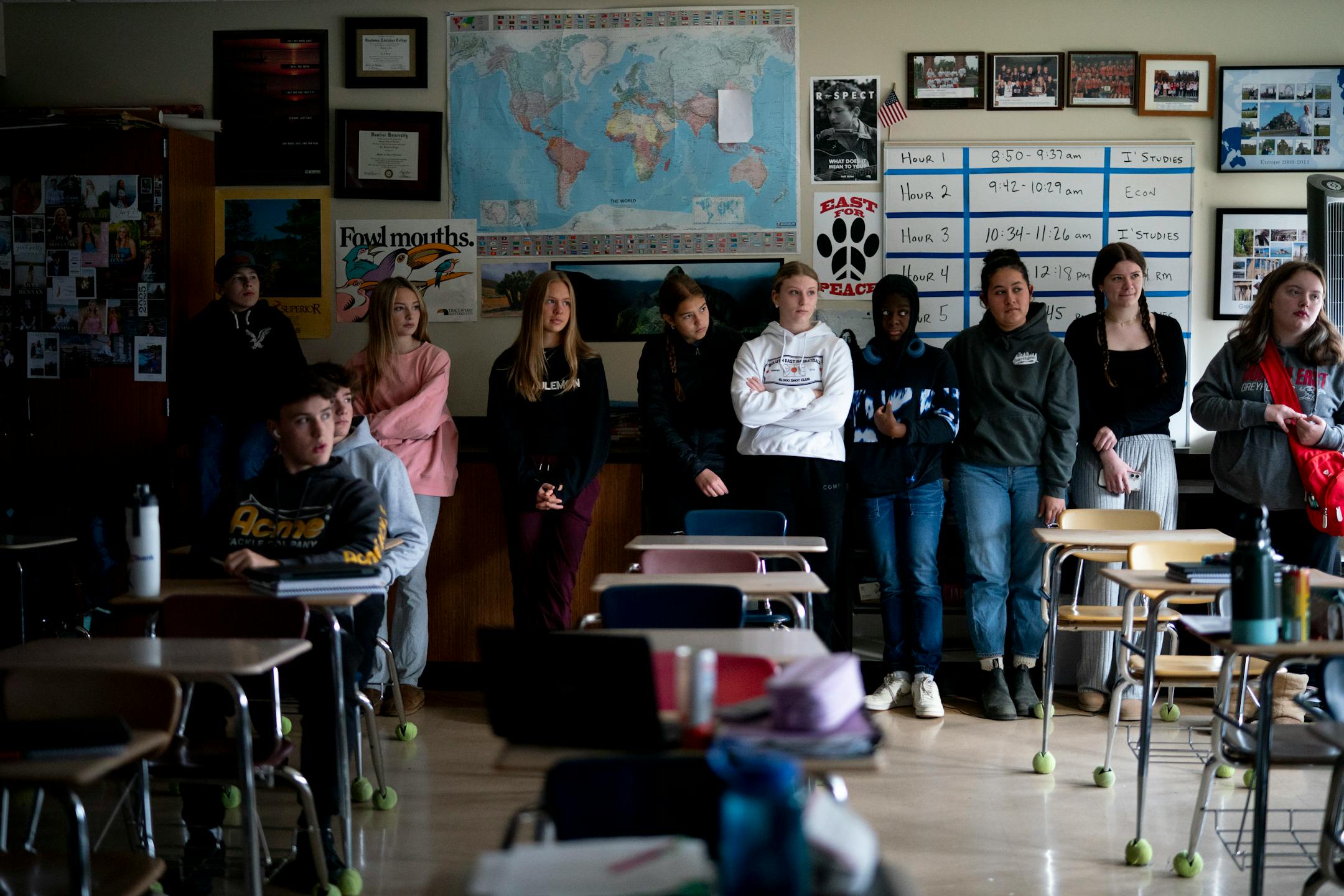
DULUTH – A couple of minutes into a recent school lockdown drill, a group of 11th-graders huddled in the back of a darkened classroom in complete silence.
The door handle suddenly jiggled, cracking through the quiet and sending a tremor through the students.
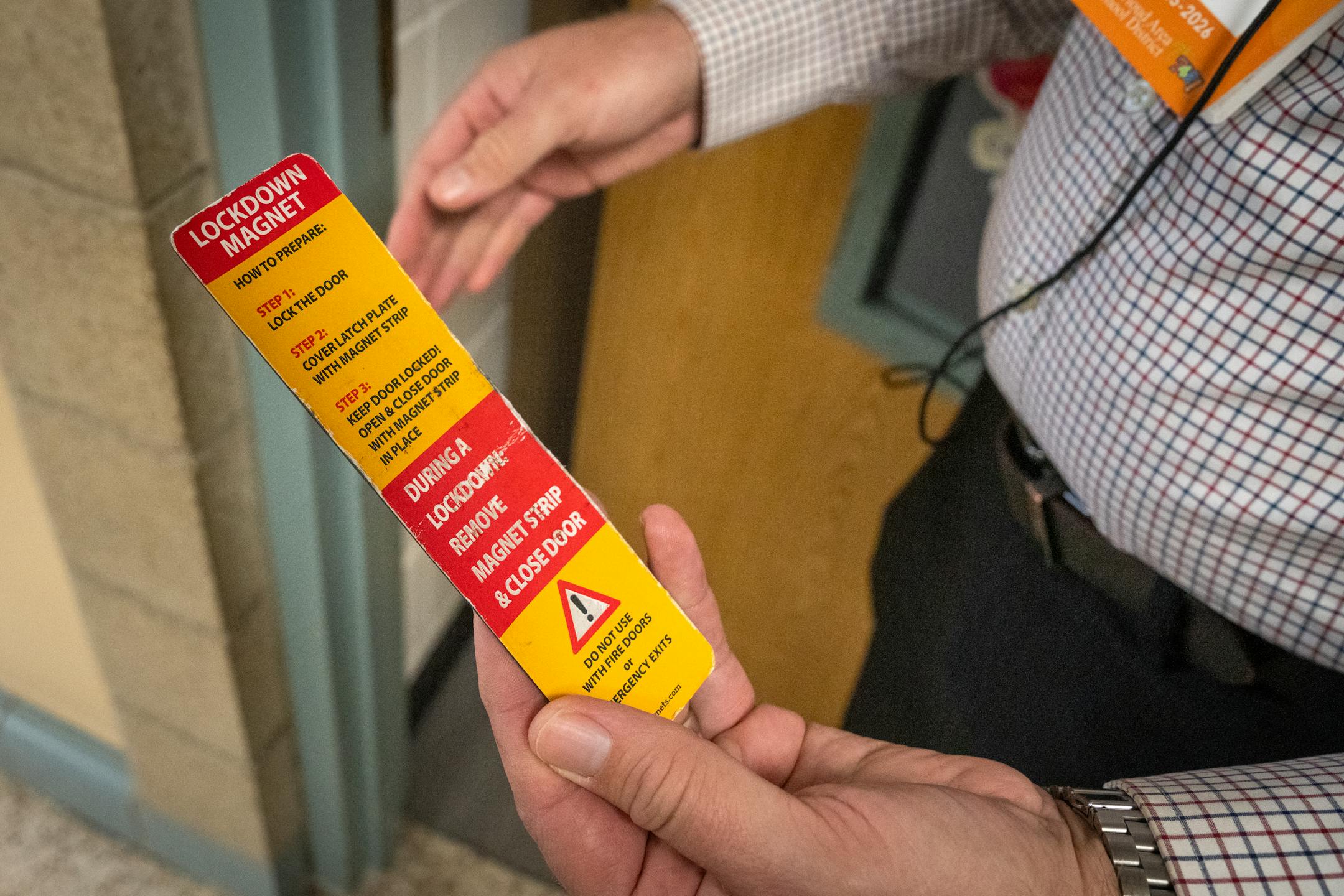
Lee Kruger’s international studies class at Duluth East High School had scurried from their desks and away from the door after a voice over the intercom announced the drill. Minutes later, the school’s assistant principals and other staff moved through the building to test door locks.
Unlike drills in some schools across the country, there was no pretend shooter carrying a Nerf gun here. Students weren’t instructed to drag heavy furniture in front of the door as a barricade. Nobody practiced throwing objects at a fake assailant.
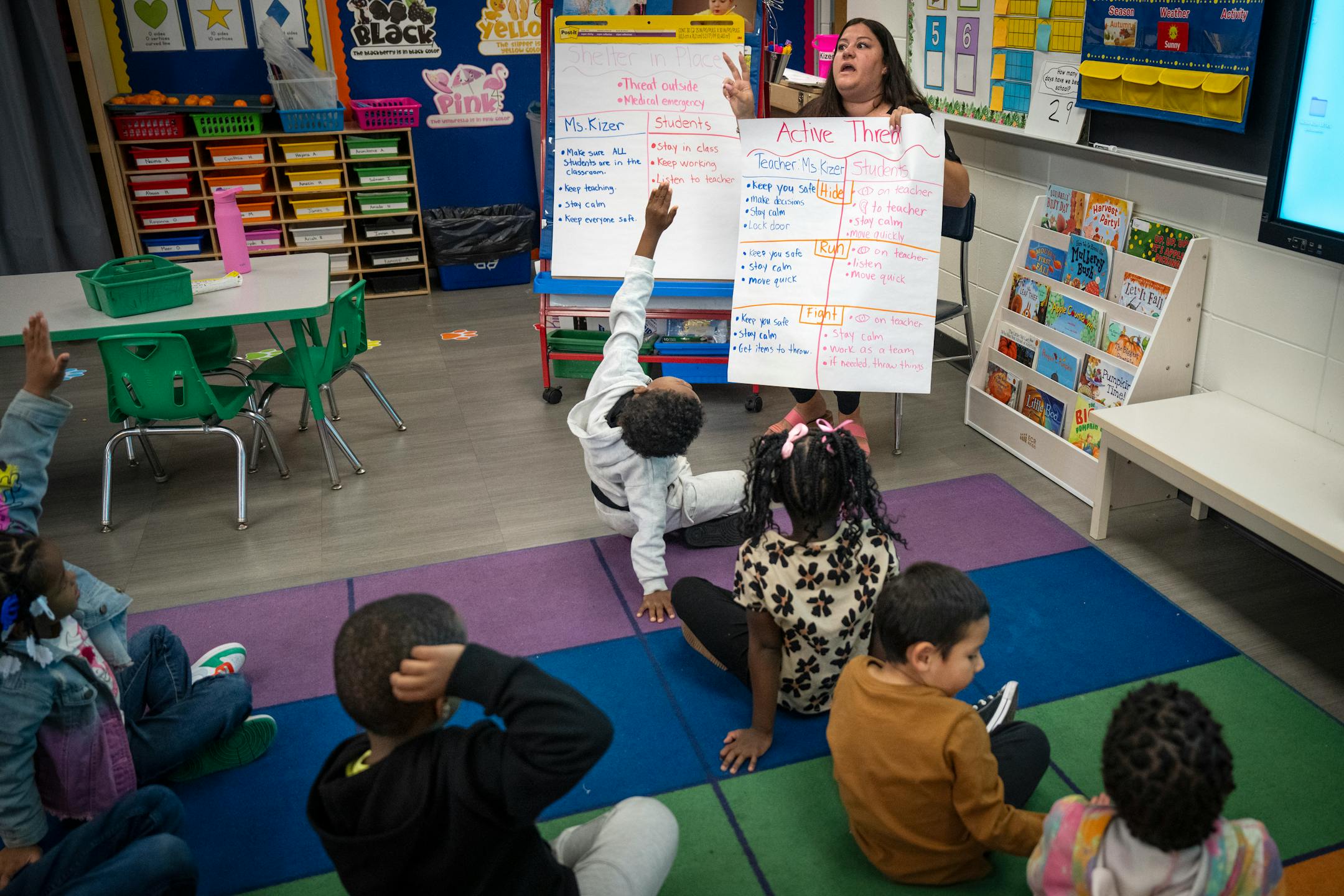
As school leaders try to balance safety preparedness with the trauma that just practicing for a shooting may cause students, the blueprint for school shooting drills has begun swinging in a gentler direction in recent years.
The new approach emphasizes muscle memory in a mindful way. It’s a marked difference from some drills across the country — which have even included fake blood and pellet guns — that sprung up more than a dozen years ago after 20 first-graders were gunned down at Sandy Hook Elementary in Connecticut.
“Our intent was to try to make sure we were the most prepared we could be, and I think we were misguided,” said Pat Hamilton of the I Love U Guys Foundation, a national nonprofit that provides free active threat training materials to schools.
“We don’t light our gym on fire to practice a fire drill,” he said. “You don’t have to introduce that trauma and drama to have the same effect.”