
Advertisement

Minnesota, Costa Rica have many shared values

April 2, 2017 at 7:00PM
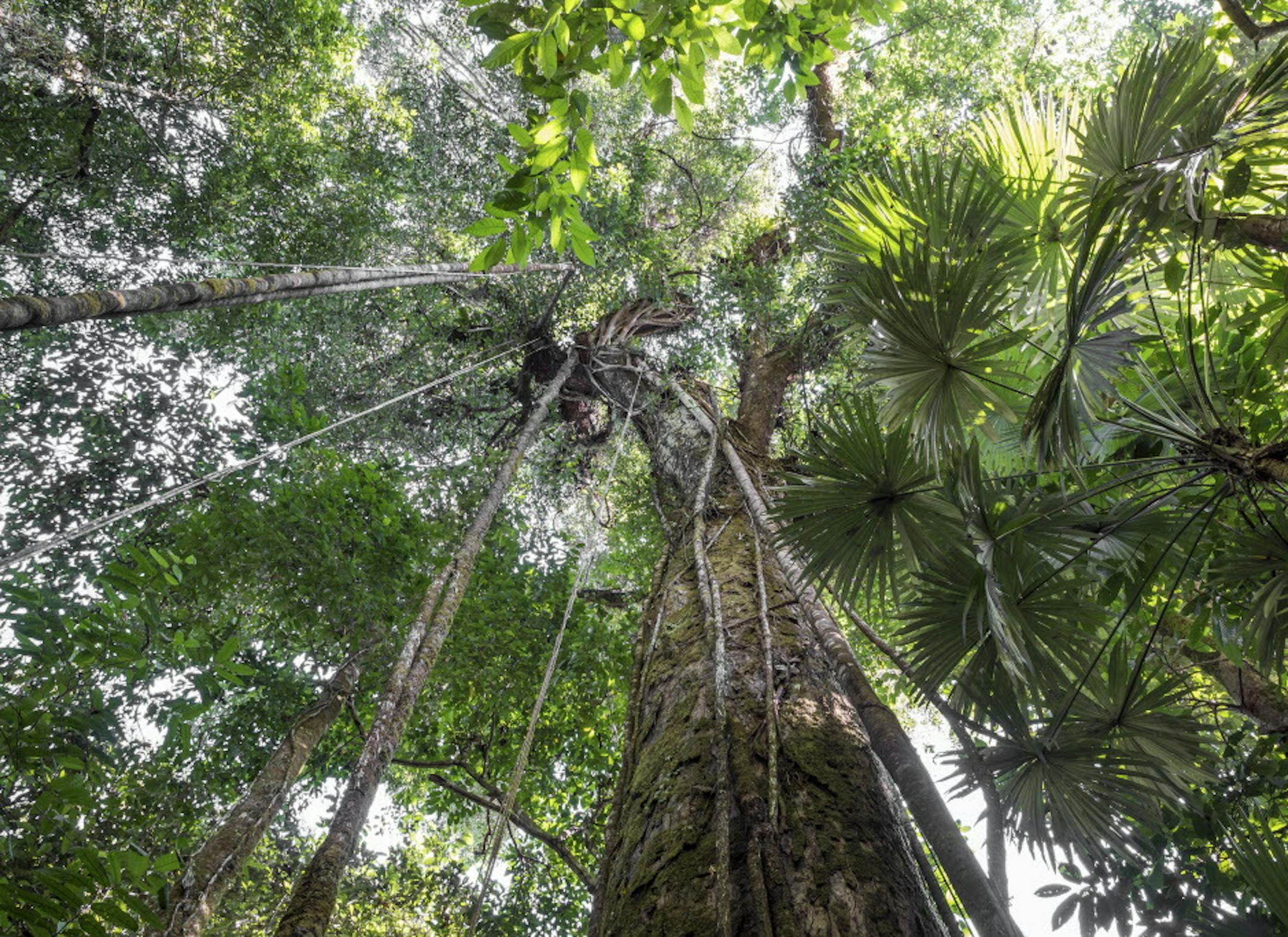
An ancient vine-covered espavel tree in Corcovado National Park in Puntarenas, Costa Rica, Feb. 19, 2014. Costa Rica, home to large tracts of untouched yet accessible rain forest, is a destination for tourists looking immerse themselves in nature. (Scott Matthews/The New York Times) -- PHOTO MOVED IN ADVANCE AND NOT FOR USE - ONLINE OR IN PRINT - BEFORE APRIL 13, 2014. ORG XMIT: XNYT109
An ancient vine-covered espavel tree in Corcovado National Park in Costa Rica. Minnesota and the Central American nation share much in common. (The Minnesota Star Tribune)
Advertisement

It takes seven hours by plane or 73 hours by automobile to get from the Twin Cities to Costa Rica, some 3,700 miles to the south.

There are similarities between Minnesota and Costa Rica; both have a population of about 5 million people, with slightly more female than male residents and an average life expectancy nearing 80 years.

Children in Costa Rica are educated to grade 11 with English taught as a second language to their native Spanish, which is the most popular second language in Minnesota.

Both Minnesota and Costa Rica have largely European ­lineage dating to the 1700s. Costa Ricans earn the most of any Central American country, $10 an hour with average annual income of $15,000. Minnesota households earn an average of just under $65,000 yearly, well above the U.S. median.

Shared interest of outdoors

It is an abiding respect for the outdoors that is the most obvious shared value between Minnesotans and Costa Ricans.

Seventeen of us traveled by bus for more than a week over 1,200 miles throughout Costa Rica, receiving private access to what is truly unmolested nature.

We learned of the history and culture of Costa Rica, and how all of this relates to the nation's environmental, social and economic future.

We experienced the most beautiful terrain most of us had ever seen — 26 percent of Costa Rica is officially preserved, the largest protected areas of any country in the world.

Advertisement

Costa Rica is home to a rich variety of plants and ­animals. While the country has only about 0.1 percent of the world's land mass, it contains 5 percent of the world's biodiversity. We were told that Costa Rica has successfully managed to diminish deforestation to nearly zero and that 99 percent of the electricity produced within the country is renewable.

Our guides found outstanding local naturalists to share their insights along the way. Most were young men and women in their late 20s who had received special training in ecotourism. About half of Costa Rica's 2.5 million ­tourists are from the United States.

Our experience was more than normal ecotourism; it was a kind of "eco-immersion." We got to see it, hear it and smell it in an effort to understand the delicate balance of nature and the connections between animals, plants, water, air, weather, earth, soil, industry and humans.

Costa Ricans have enjoyed 69 years of peace since their 1948 civil war when, in the aftermath, it abolished its military. It is one of only eight nations without an army. The government spends most of its tax dollars on health care, education and the environment.

Americans become 'expats'

Costa Rica years ago created a high profile national commission on biodiversity, comprising scientists, civil servants and indigenous representatives, which proposes private and public policies and promotes green education. As a result of these and other efforts, Costa Rica ranks first in the New Economics Foundation's "Happy Planet Index."

Six years ago, Costa Rica received the Future Policy Award at a global summit on biodiversity in Nagoya, Japan. The World Future Council has also given recognition to Costa Rica's biodiversity law, which was held up as a model for other nations to follow.

Advertisement

Because of the kind of nation Costa Rica has become, tens of thousands of baby boomer- aged Americans have become retired "ex pats" in Costa Rica, owning homes and receiving health care benefits while paying a 50 percent sales tax on gasoline and a 10 percent income tax.

Minnesota also has story

Minnesota has long valued its environmental record; 50 years ago the state successfully petitioned the U.S. Supreme Court to earn the right to set stricter standards for air and water quality than the federal government required.

The sustainable use of natural resources provides funds needed to maintain Minnesota's plentiful forests, lakes and lands. Such resources are also a key contributor to Minnesota's economy, with forestry and mining creating tens of thousands of jobs and travel and tourism contributing billions in annual revenue.

Today's global economy in Minnesota, however, is changing both supply and demand and challenging the state to find new ways to safely tap natural resources' and expand income-generating potential.

If done correctly, policymakers believe that natural resource-based economic development is essential to helping the state to maintain a competitive edge as a place to live, work and play.

Clearly, more carefully crafted homework needs to be done.

Advertisement

All that said; let me be the first to volunteer for a Minnesota mission to Costa Rica to find "win/win" solutions for making healthier and more successful decisions.

I can guarantee that Costa Ricans have much to offer; that nation could also benefit greatly from important green-friendly education and economic policies we have established in Minnesota.

Chuck Slocum is president of The Williston Group, a management consulting firm. He is a former head of the Minnesota Business Partnership and can be reached at Chuck@WillistonGroup.Com

about the writer

about the writer

Chuck Slocum

More from Business

See More
card image
Renée Jones Schneider/The Minnesota Star Tribune

A California man was accused of hiring a friend for a fictitious position and receiving a portion of wages from the no-show job via kickbacks.

card image
Sleep Number headquarters in downtown Minneapolis. (DAVID JOLES)
Advertisement