
What to know about Minnesota election results today

The outcome of many contests, especially those that use ranked-choice voting, may not be certain on Tuesday.

The Minnesota Star Tribune
November 4, 2025 at 12:00PM
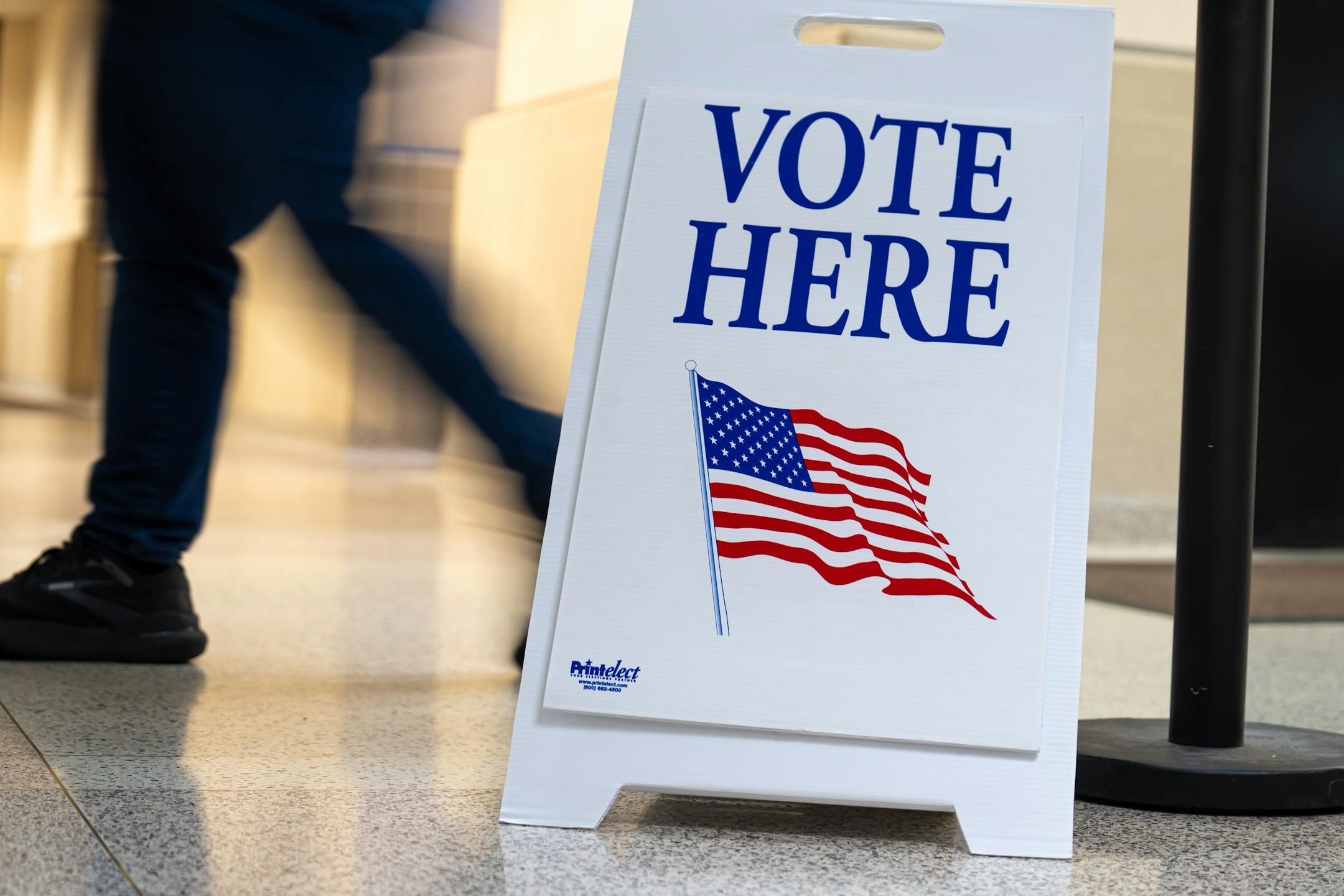
Election results are expected in many races Tuesday, but it may take longer to determine some winners, especially in cities that use ranked-choice voting. (Glen Stubbe/The Minnesota Star Tribune)

Polls close at 8 p.m. Tuesday, and then the waiting begins for anxious candidates and election watchers.

Vote counts, which can be found on the Minnesota Star Tribune results page, will show who’s leading in the Minneapolis and St. Paul mayoral races, in municipal and school board elections around the state, and in two special state Senate races, in Woodbury and Wright County.

Here’s what you need to know about the election results and when to expect them.

When will results start coming in?

Not immediately at 8:01 p.m. But it usually doesn’t take too long before results start trickling in, often precinct by precinct as they get reported to the Secretary of State’s Office.

Will we know the winners on election night?

Likely yes for many races, but not all. The Star Tribune will mark race-winners when all results are in and the winner’s margin is above a certain threshold (more on that below).

It’s normal for different races to come in at different times because votes are counted locally in a purposefully decentralized process overseen by election judges from both major parties.

When margins are razor-thin, or in cases of ranked-choice voting — used in Minneapolis, St. Paul and some suburbs — it can take longer.

What’s different about ranked-choice voting?

Ranked-choice voting allows voters to select multiple candidates for one office in order of preference.

Minneapolis, St. Paul, Bloomington, St. Louis Park and Minnetonka use ranked-choice voting to determine winners, but will only transmit first-choice ballots to the Secretary of State’s Office on Nov. 4.

Unless a candidate gets more than 50% of first-round votes, ranked-choice voting requires a reallocation process to count voters’ second and third choices (or sometimes even more) in multiple rounds of tabulation.

While St. Paul Mayor Melvin Carter cleared the over-50% hurdle on the first round in both 2017 and 2021 and was announced the winner on election night, Minneapolis Mayor Jacob Frey was announced the winner the day after Election Day both years after rounds of tabulation.

Where does the Star Tribune get results?

The results that populate our website come from the Minnesota Secretary of State’s Office.

If a ranked-choice election goes beyond the first round, reallocation data comes from cities as they finish tabulating the outcomes in subsequent days.

How does the Star Tribune mark winners?

After 100% of precincts in a race have reported their results, the Star Tribune will mark winners if the margin of victory is greater than the legal threshold for a state-funded recount in Minnesota, unless there is a potential write-in winner or a large number of uncounted absentee ballots.

In cases where a race is too close to mark a winner on election night, a winner will be marked if the losing candidate has conceded or the winner is officially identified.

In races with ranked-choice voting, winners may be marked if a candidate in the race is well over the threshold to be elected for that race. If vote reallocation is necessary, we will mark winners in those races once they are identified by the respective municipalities in subsequent days.

Eleanor Hildebrandt and C.J. Sinner of the Minnesota Star Tribune contributed to this story.

about the writer

about the writer

Greta Kaul

Reporter

Greta Kaul is the Star Tribune’s built environment reporter.

See Moreicon

More from Elections

See More
card image
Anthony Soufflé, Alex Kormann

The two-term mayor started too late and had too weak of a ground game. Kaohly Her capitalized.

card image
card image