
Brown: We do live in ‘A Precarious State,’ but place-baiting won’t solve anything

Out-migration? Crime and drugs? Welcome to the problems rural Minnesota has been fighting for more than 40 years.

Columnist Icon
The Minnesota Star Tribune
October 8, 2025 at 2:28PM
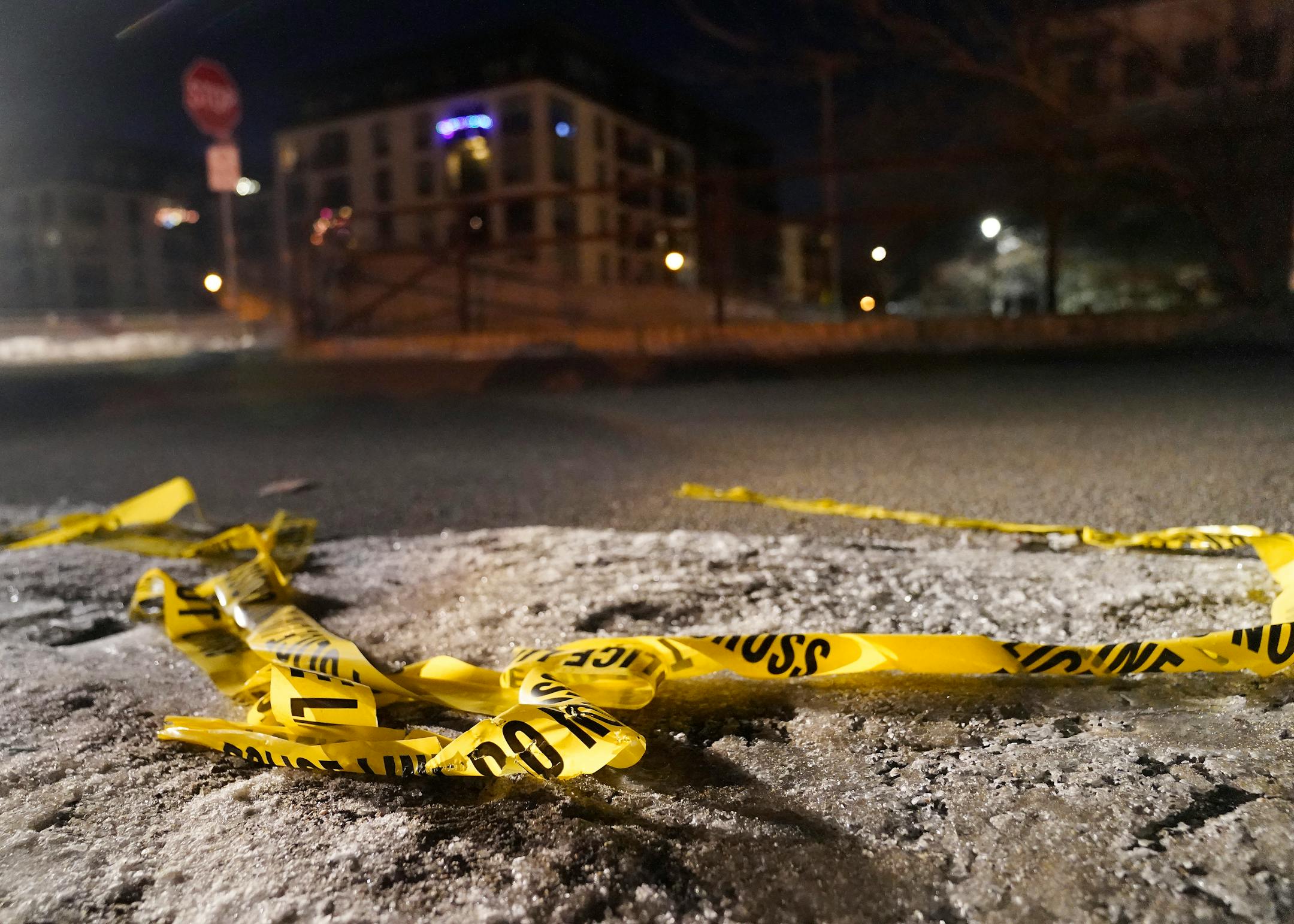
Police tape is crumpled on the ground in Minneapolis in 2023. (David Joles/The Minnesota Star Tribune)

Opinion editor’s note: Strib Voices publishes a mix of commentary online and in print each day. To contribute, click here.

•••

When I took this job writing for the Minnesota Star Tribune, some friends in the woods of northern Minnesota, where I still live, worried for my well-being. I would have to travel to downtown Minneapolis sometimes, and we all know what goes on there.

Well, I am pleased to say that I have not been robbed, shot, groped or noogied, or at least not yet. None of my colleagues have offered me any fentanyl, so my fifth-grade D.A.R.E. training remains woefully underutilized. Perhaps they are holding out on me.

I did, however, spend a weekday morning walking from the University of Minnesota to downtown Minneapolis. It’s good to see new places on foot.

On my journey I saw many different classes and cultures, ranging from apparently homeless people to those who likely own second or third homes bigger than my primary residence. Foreign languages and music pattered from apartment windows and cars. The aroma of exotic cuisines wafted through the streets like the invisible hands in cartoons, beckoning me to sit and eat, then take Tums. And then I smelled the familiar odor of diesel and cigarettes, as a fleet of trucks and their union drivers unloaded a rock ’n’ roll band at U.S. Bank Stadium.

I experienced beauty, sketchiness, stickiness and crap tons of concrete. I might not want to be out there at night, but I never want to be out at night, so we’re good.

In other words, it’s a city. Here, the joys and woes of humanity exist in greater volume and with varied distribution, but they are not unique.

That’s why I think we should maintain a healthy amount of skepticism about Minneapolis doomsaying, such as the thesis of the Oct. 2 documentary “A Precarious State.” Hosted by former Twin Cities journalist Rick Kupchella (and previewed by him in a Minnesota Star Tribune commentary), the hourlong litany of metropolitan sins aired on ABC affiliates across the state, even up north. The film raises important points but does so with highly political intent, using widespread stereotypes that drive a destructive wedge between rural and urban Minnesota.

Even so, the subject matter deserves attention. “A Precarious State” lists six to eight problems, depending on how you interpret the film’s multiple mentions of crime.

There is serious crime shown in the film. “Exclusive” surveillance footage shows rival gangs engaged in a harrowing, haphazard September 2024 gunfight at E. 19th Street and Nicollet Avenue. The scene is replayed several times through the video as evidence of a lawless state in Minneapolis.

The film also emphasizes the problem of homeless encampments and the drug use that happens within them.

We hear about hard times for commercial real estate developers and landlords, whose investments lost value after COVID-19 and the resulting economic downturn.

But, for good measure, we also hear about the shortcomings of Minnesota schools and a great deal of lamentation about socialism.

Taken together, these problems reminded me of something I’d heard before.

Aging population? Out-migration? Crime and drugs? Schools not as good as you remember?

Welcome to the problems rural Minnesota has been fighting for more than 40 years. We just don’t get documentaries about our crisis, or if we do they paint our communities as obsolete relics of some bygone past.

Our rural politicians have great scapegoats, however: Minneapolis and, to a lesser and more boring extent, St. Paul. Listen, folks, we’re told, if you think our stabbings and sadness are bad, look at what’s happening in the cities.

At any given small-town chamber of commerce, you will hear landlords — many of them elected officials — lamenting the low class of renter they are forced to endure. Sounds like they’d get along great with these guys from Minneapolis.

We live in times of personal despair. Social and economic change lead many to lives that feel devoid of purpose. Here, drugs and alcohol burn like wildfire, especially when combined with poverty. The confusion and manufactured anger of social media turn people with historically happy circumstances into angry malcontents or leave them riddled with jealousy and feelings of inadequacy. Technology eliminates jobs, shrinks industries and, yes, empties downtowns.

So do we live in a “Precarious State,” as the documentary suggests? You bet. But we best zoom out to a global scale to see the true scope. Minnesota cannot reach its potential if we hate ourselves more than we help ourselves.

Let’s stop this pointless place-baiting. These shared problems, and even left- and right-wing political extremism, can be tied to hopelessness, which “A Precarious State” slops around like mop water. Take it from someone who gets out of the car and walks: You’ll find good people and smart ideas throughout our state if you open your mind and listen.

about the writer

about the writer

Aaron Brown

Editorial Columnist

Aaron Brown is a columnist for the Minnesota Star Tribune Editorial Board. He’s based on the Iron Range but focuses on the affairs of the entire state.

See Moreicon