
Opinion | Once vibrant, Minneapolis-St. Paul is in decline. What happened?

The reasons — and the hope for turning things around — are the subject of a documentary premiering Thursday.

October 2, 2025 at 9:08PM
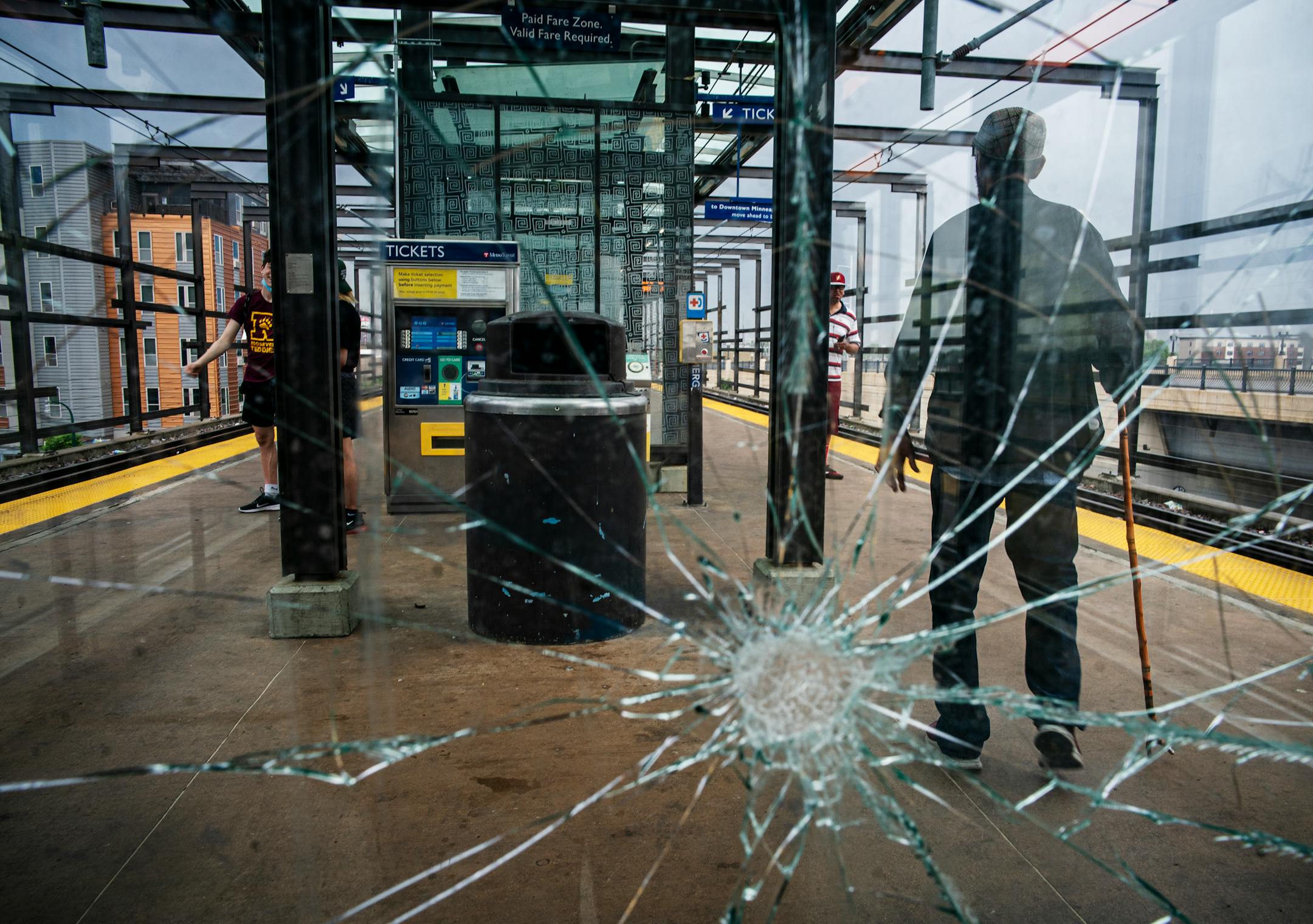
"In Minneapolis, homicides increased 43%, auto theft surged 67% and vandalism rose 73%, per data from the Minneapolis Crime Dashboard comparing Jan. 1-Sept. 15, 2019, vs. Jan. 1- Sept. 15, 2025," Rick Kupchella writes. (Richard Tsong-Taatarii/The Minnesota Star Tribune)

Opinion editor’s note: Strib Voices publishes a mix of guest commentaries online and in print each day. To contribute, click here.

•••

In Minneapolis-St. Paul, wealth is leaving faster than it’s coming in.

The economy isn’t recovering — it’s unraveling.

Many in the Twin Cities feel less safe.

Police shortages and rising crime have reshaped daily life for more than five years.

What has happened in Minnesota over the last five years?

Why haven’t we seen the same kind of rebound here in Minnesota that we’ve seen in other cities?

In “A Precarious State,” a new documentary film premiering Oct. 2, I seek to answer these essential questions. As a journalist for more than 30 years, I’ve covered thousands of stories and interviewed more than 20,000 people on several continents. But what I see happening here at home — in Minneapolis and St. Paul today — may be the biggest story of my career.

While it is easy to associate Minneapolis and St. Paul’s challenges with the post-pandemic and work-from-home realities facing much of the nation today, this documentary reveals the truth. Much of the rest of the nation is doing relatively well. Many places are booming. There is substantial evidence that what we face in the Twin Cities has more to do with how we responded to the death of George Floyd, and what followed.

Key insights from the documentary include:

  • Serious crime is way up since before the death of George Floyd. In Minneapolis, homicides increased 43%, auto theft surged 67% and vandalism rose 73%, per data from the Minneapolis Crime Dashboard comparing Jan. 1-Sept. 15, 2019, vs. Jan. 1-Sept. 15, 2025. While facing some of the highest rates of crime and violence in Minneapolis’s history, CBS News reports, the Minneapolis police force is down 40% in the last four years.
    • In the downtowns of Minneapolis and St. Paul, many businesses are not flourishing. Some have closed. Some have left.
      • Investment is down — due to elevated risk assessments by institutional investors. Minneapolis-St. Paul has long punched above its weight attracting institutional investment, but that has changed since 2020. Institutional investors tell Minneapolis commercial real estate leaders it’s “career suicide” to recommend this area to investment committees. They see Minneapolis-St. Paul like they see Portland, Ore., and Oakland, Calif.
        • Job growth here is not a reality. Jobs are in decline — not just relative to our own history but relative to most of the rest of the nation today. According to the Bureau of Labor Statistics, since 2020 (the last five years) Minneapolis-St. Paul sits at a net negative of 26,900 jobs and ranks 48th out of 49 markets measured (only San Francisco performs worse). The top 10 markets added a cumulative 2.28 million net new jobs.
          • Most Minnesota public school students are now failing science, math and reading, according to annual testing assessments.

            “A Precarious State” offers an in-depth look at the challenges of a once strong and vibrant Twin Cities. It analyzes the key drivers of decline and what will be needed to turn things around. The answers we’ve uncovered go beyond headlines, beyond the pandemic, to the very future of our community.

            We all want a great place to live, work and play. We all want a place where business and residents can flourish. We all want to find investment in our business communities and grow jobs.

            Working together, we can outline potential solutions and activate the change we need.

            Rick Kupchella is the producer of “A Precarious State,” which premieres at 7 p.m. Thursday, Oct. 2, on the following ABC stations: Twin Cities (KSTP-TV); Duluth (WDIO-TV); Rochester; (KAAL-TV) Fargo; (WDAY-TV), and Sioux Falls (KSFY-TV).

            about the writer

            about the writer

            Rick Kupchella

            More from Commentaries

            See More
            card image
            Leila Navidi/The Minnesota Star Tribune

            In government leadership, young people need to be ready to accept the torch, but previous generations can’t slow down their leg, or delay the pass.

            card image
            card image