Garrison: When women seek medical help for menopause, they often feel dismissed

Some women refer to this as medical gaslighting. But I’m convinced these poor experiences are more about a lack of training and knowledge.

Columnist Icon
The Minnesota Star Tribune
November 7, 2025 at 2:24PM
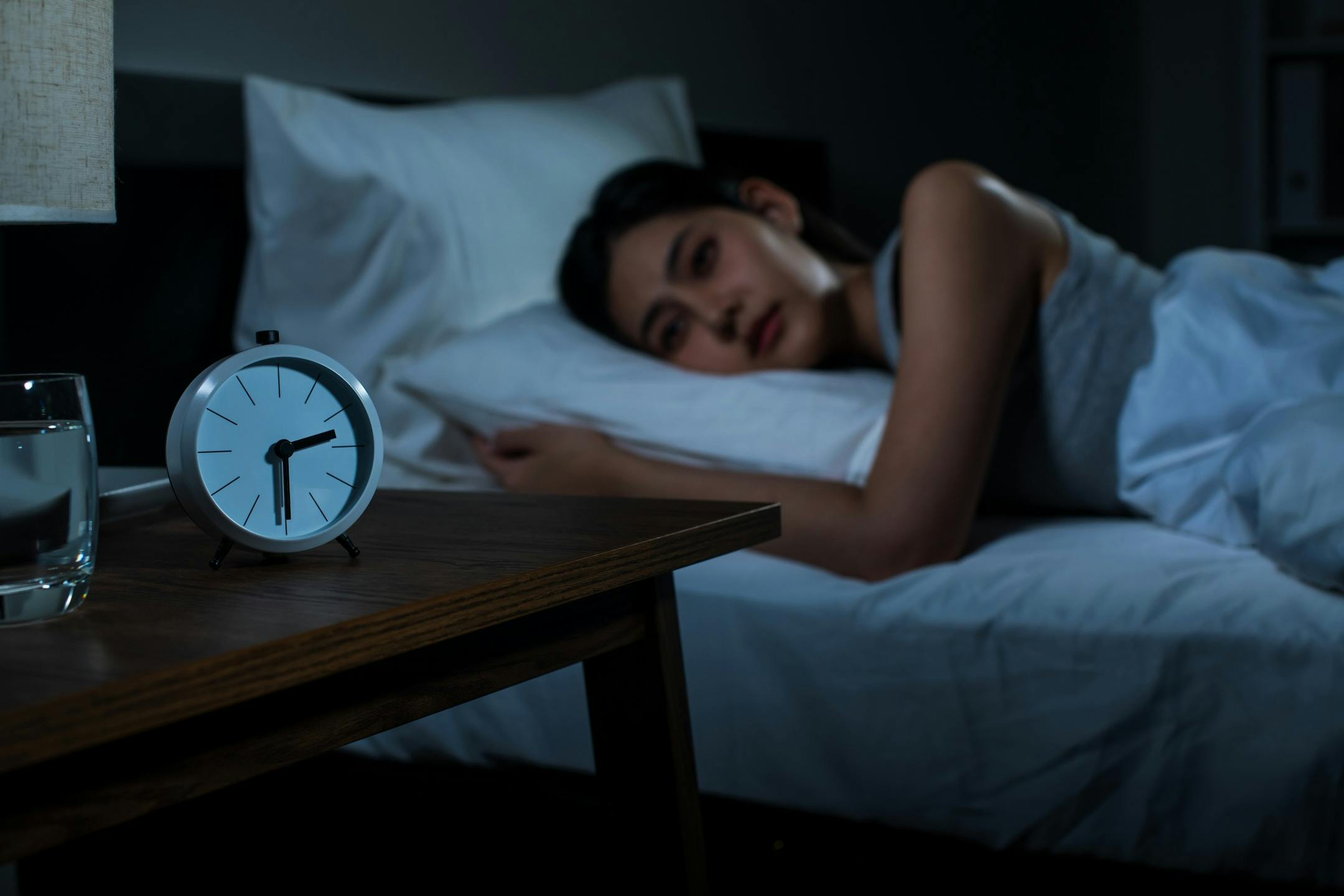
"A recent study from Mayo Clinic found that more than three out of four women between the ages of 45 and 60 experienced menopause symptoms, with more than one-third (34%) reporting moderate to very severe symptoms. Sleep disturbances and weight gain were among the most common issues," Nicole Garrison writes. (Getty Images)

Opinion editor’s note: Strib Voices publishes a mix of material from 8 contributing columnists, along with other commentary online and in print each day. To contribute, click here.

•••

One of the many “joys” of menopause is spending months figuring out how to mitigate one symptom, eventually having a little bit of success only to have a new one emerge. I liken it to playing Whac-A-Mole.

These symptoms aren’t just an inconvenience; they have a significant impact on daily life. A recent study from Mayo Clinic found that more than three out of four women between the ages of 45 and 60 experienced menopause symptoms, with more than one-third (34%) reporting moderate to very severe symptoms. Sleep disturbances and weight gain were among the most common issues.

Yet more than 80% of the women who responded to the survey did not seek medical care. Many women said they preferred to manage symptoms on their own, while others said that they were too busy or unaware that effective treatments exist.

When I read those stats, all I could think was, “Been there. Done that. On all fronts.”

My perimenopausal journey started with sleeplessness, which was a massive shock to me and anyone who knows me well. As a teenager, I slept so soundly my stepdad often had to set off the smoke detector to get me moving. Even in my 20s and 30s, I could fall asleep as soon as I hit the pillow and not crack an eye until noon the next day.

But after I hit 40, sleep became as evasive for me as a Powerball win. On the rare occasion I managed to fall asleep somewhat easily, any little sound would stir me back awake. I’d then spend hours staring up at my ceiling, waiting to drift off again. I was exhausted and irritable (enter the Incredible She-Hulk phase I mentioned in a previous column) and started to struggle both at home and at work.

Around the same time, the night sweats hit. At first, I thought I must have contracted some sort of virus and the sweats were just a sign that my body was fighting it off. Google seemed to confirm my suspicions, while also suggesting that I might be dying.

But when I continued to wake up in a pool of my own sweat for months on end — and finding my poor husband hugging the opposite edge of the bed trying to stay dry — I knew there had to be something else going on.

Like the majority of the women in the Mayo Clinic study, I initially tried to handle my symptoms on my own. I tried special sheets and box fans blowing directly on me. I tried cold showers. I tried melatonin and magnesium. Nothing worked.

Desperate for a solution to my dueling issues, I finally went to see my general practitioner. She quickly suggested a sedative-hypnotic medication used for the short-term treatment of insomnia. As someone who can barely take Benadryl without becoming borderline narcoleptic, the notion of taking something “hypnotic” freaked me out, so I politely declined. She then suggested another medication more commonly used to treat depression and anxiety that could also help with sleep.

Not once during that visit did she broach the topic of perimenopause, nor did it dawn on me that my issues stemmed from changes in my hormones. After all, menopause was something that women in their 50s dealt with and not someone in their 40s like me — at least that’s what I thought then.

At a recent brunch with my friend Lynn Melling, she described a similar kind of visit with her doctor. Lynn’s menopause symptoms began with a panic attack that seemed to come out of nowhere.

“It was a lovely spring day,” Lynn recalled. “Everything in my life was pretty normal, stable, nothing super different happening in my world, no drama for once. And I just felt, like, this panic.”

After collecting herself, she went home and told her husband something was wrong. She simply didn’t feel like herself and couldn’t put her finger on why. She was starting to suspect menopause thanks to recent conversations with a friend who was experiencing it.

“I made an appointment with a hormone specialist, but couldn’t get in for, like, three months,” she said. “I figured I could tough it out until then.”

But when things continued to get worse, she booked the first appointment she could with a general practitioner in her network. Lynn shared a list of symptoms she’d been tracking including crying spells, a decline in self-confidence and self-worth, a heavier-than-normal period, memory fog, sleeplessness and a general decline in her ability to concentrate, multi-task and focus.

The doctor prescribed her the same sleep aid that mine did. She also doubled the dose of the antidepressant Lynn had been taking for years. The doctor then started scribbling on her notepad a laundry list of other things she should do including to practice mindfulness and gratitude, get outside and exercise more, eat more vegetables and protein, get more sleep and volunteer.

“I was so stunned — it was such a slap in the face,” she said, adding that despite her suggestion to the doctor that she may be in perimenopause, she was dismissed.

Sadly, what Lynn and I experienced is quite common. Another recent survey found that two out of five women seeking care from providers for menopause symptoms reported negative experiences including being dismissed, minimized or not taken seriously.

While I’ve heard many women refer to this as medical gaslighting, I’m more convinced that it is a lack of knowledge and training in traditional medicine that’s contributing to these poor experiences.

Only 31% of U.S. OB-GYN residency programs include a menopause curriculum, according to Boston Consulting, and most of that just entails a lecture or two. Even more concerning: Less than 7% of residents in key specialties such as family medicine, internal medicine, and obstetrics and gynecology feel prepared to support menopausal patients.

The good news is there are efforts underway to try to change that.

Earlier this year, The Menopause Society announced a $10 million comprehensive training program designed to equip current and next gen health care professionals with the knowledge, tools and support they need to improve the care of midlife women.

I’m also heartened to learn there is more help out there even today than most of us realize. Since my first column ran last month, I’ve heard from numerous medical practitioners who specialize in menopause.

These discoveries, which I plan to share more about in future columns, give me hope that the frustration women like Lynn and I have experienced in our journeys will soon be a thing of the past.

(In case you missed it, a friendly reminder that I have launched a Facebook group, Menopause Mentorship Circle, to help women find support from others who are grappling with perimenopause or menopause as well as from those who have already gone through it. I welcome you to join or to drop me a line to share your own experiences.)

about the writer

about the writer

Nicole Garrison

Contributing columnist

Nicole Garrison is a contributing columnist for the Minnesota Star Tribune focusing on menopause and women's health. She is a Twin Cities marketing and communications executive and a former journalist. She can be reached at menopausedinmn@gmail.com.

See Moreicon