

Opinion editor’s note: Strib Voices publishes a mix of guest commentaries online and in print each day. To contribute, click here.
•••
As both a physician and a parent, I think every day about how to prevent harm before it occurs. Medicine has taught me that prevention is the most powerful tool we have. Yet nothing in my training prepared me for the epidemic that now claims the lives of more children and teens in America than any other preventable cause: gun violence.
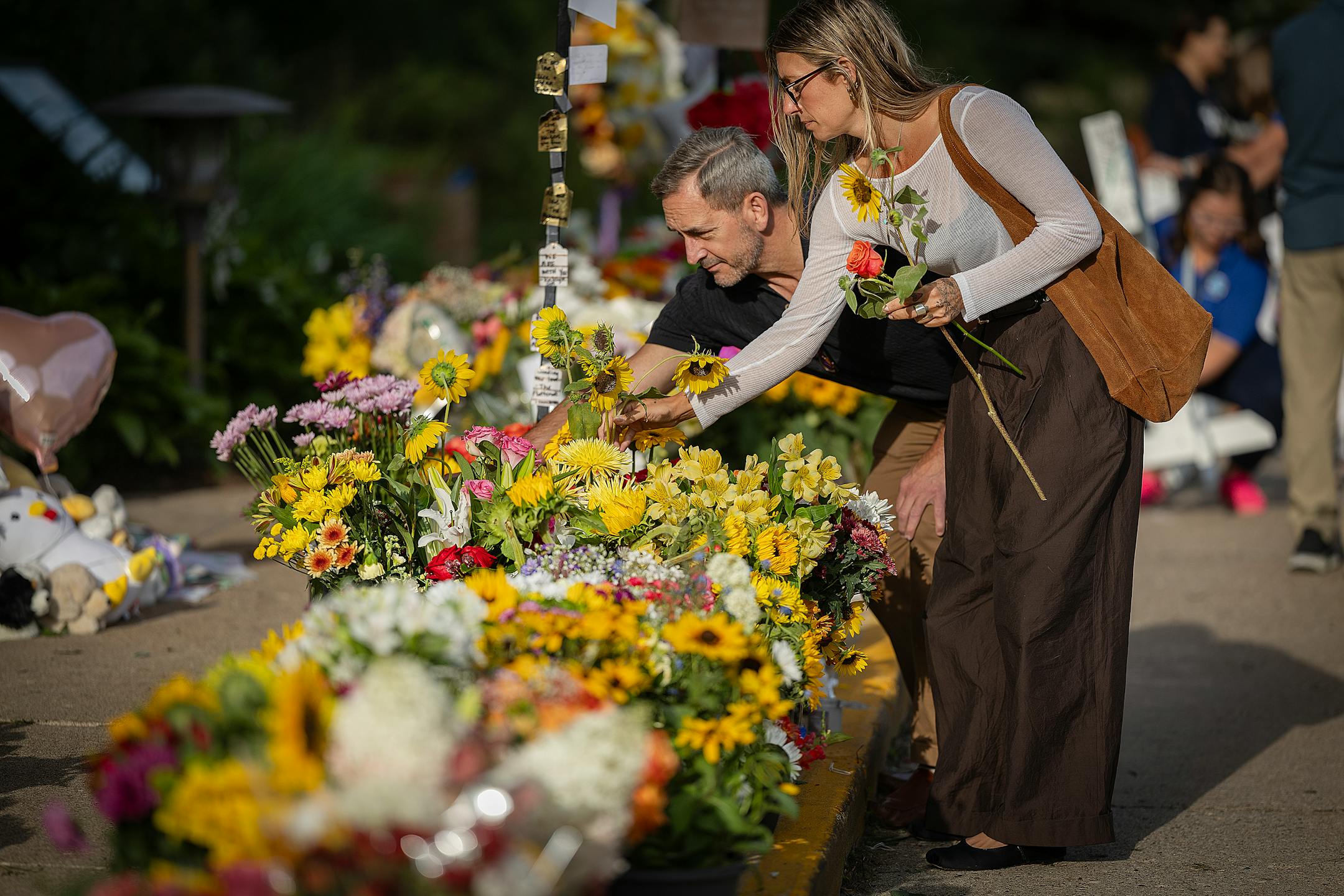
When 21 people were injured and two children were killed while attending church in Minneapolis, the sense of safety in a familiar space was shattered again. Mayor Jacob Frey asked the question that should trouble us all: If people are not safe in church, where are they safe? It is a question that extends far beyond houses of worship. The same uncertainty now shadows schools, shopping malls, concerts, grocery stores, movie theaters and hospitals. In short, the very places where communities gather.
If we want to change that reality, we must start treating gun violence like the public health crisis it is. Prevention in medicine works through layers. Primary prevention aims to stop illness before it begins. Secondary prevention detects problems early. Tertiary prevention uses advanced measures when the risk is imminent. For heart disease, tertiary prevention might mean a defibrillator. For cancer, it might mean a transplant or advanced chemotherapy. For gun violence, it must mean technology that interrupts a weapon before it can be used against a crowd.
Artificial intelligence can provide this protection. AI already operates quietly in many areas of life. It flags suspicious financial transactions before accounts are drained. It helps physicians detect strokes and sepsis minutes earlier than human judgment alone. It allows airports to identify security threats in real time. The same ability to scan, recognize and trigger an immediate response could be applied to firearms.
The concept is simple. Firearms, whether newly manufactured or retrofitted, could contain embedded chips that communicate with perimeter sensors. Schools, churches, malls, hospitals, concert venues and other gathering places could install sensors that continuously and discreetly scan for unauthorized weapons. If a firearm crossed into a protected zone, the system would trigger an automatic alert to staff, law enforcement and first responders. Instead of chaos erupting after the first shot, there would be a window of time to intervene before lives are lost. This is not speculative technology. It exists today.
Yes, building such a system would require resources and political will. But we have made similar choices before. Cars once lacked seat belts and air bags, until we decided that preventable deaths on the road were unacceptable. Air travel once involved little screening, until 9/11 made us recognize the need for layered security. None of those measures eliminated accidents or attacks, but all of them reduced the risks. The same principle applies here: Prevention, not perfection, should be our standard.


