

Opinion editor’s note: Strib Voices publishes a mix of guest commentaries online and in print each day. To contribute, click here.
•••
The beginning of a school year has always been a season of hope. Children trust that classrooms will be safe places to explore and learn. Parents trust that when they drop their kids off, they will pick them up again. Teachers trust that their lessons will matter more than their lockdown drills. This is the fragile covenant that makes school possible.
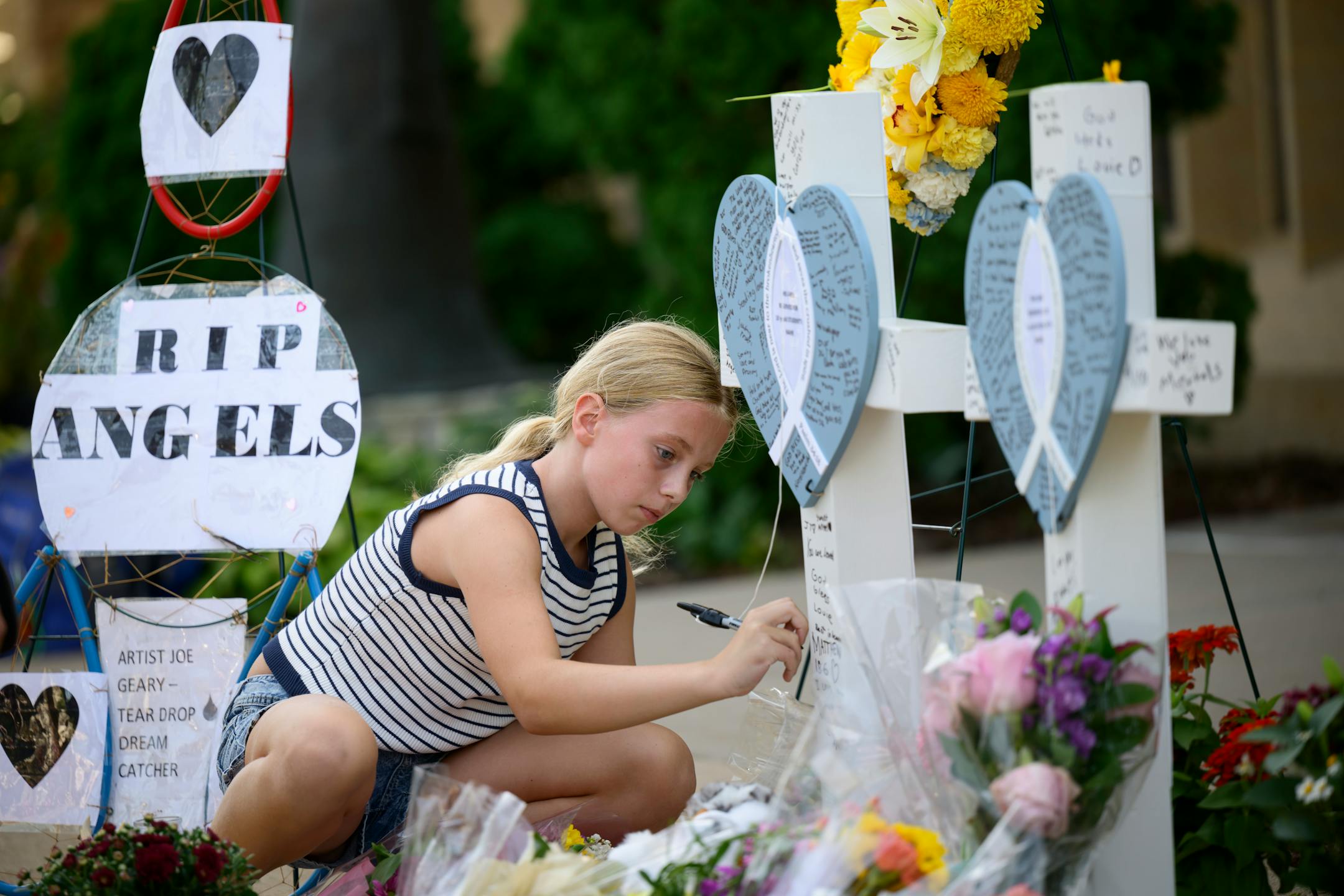
But for my generation, that trust has never been whole. And last week in Minneapolis, it was broken again.
When Columbine happened in 1999, most millennials were in K-12 schools. A nation that had long believed schools were untouchable suddenly realized they were not. The promise of safety cracked in a single day of violence.
For Gen Z, that crack was never repaired. We grew up in a world where school shootings were not shocking interruptions but part of the landscape of our childhood. We learned where to hide before we learned long division. We practiced silence as a survival skill. We sat on cold tile floors with the lights turned off, breathing as quietly as we could, hoping the drills would be enough if the day ever came. Even as children, we understood what it meant. Safety was no longer promised.
Our parents wrestled with the helplessness of it. For them, the question was no longer whether schools were safe, but how their children might protect themselves when they were not. The rise of cellphones in children’s backpacks was not only about staying connected with friends, but about calling home in the worst possible moment. Even now, a new generation of parents post their fears online, asking what it means when schools require phones to be locked away. A TikTok video posted by a mother, viewed more than 790,000 times, shows her voicing concern about her child’s phone being out of reach all day and wondering what would happen if the unthinkable occurred. That fear is not paranoia. It is the reality we were raised in.
After graduating from law school, I spent two years teaching social studies and U.S. history to students in Texas — children the same age as those killed in Minneapolis last week. I taught them about democracy and rights, and then I taught them where to hide if someone came into our classroom with a gun. At the start of each school year, I wrestled with questions no teacher should ever have to ask. Should I keep pepper spray hidden in my purse, even if it violated school policy? Does anyone actually care that teachers are left to face these choices alone?


