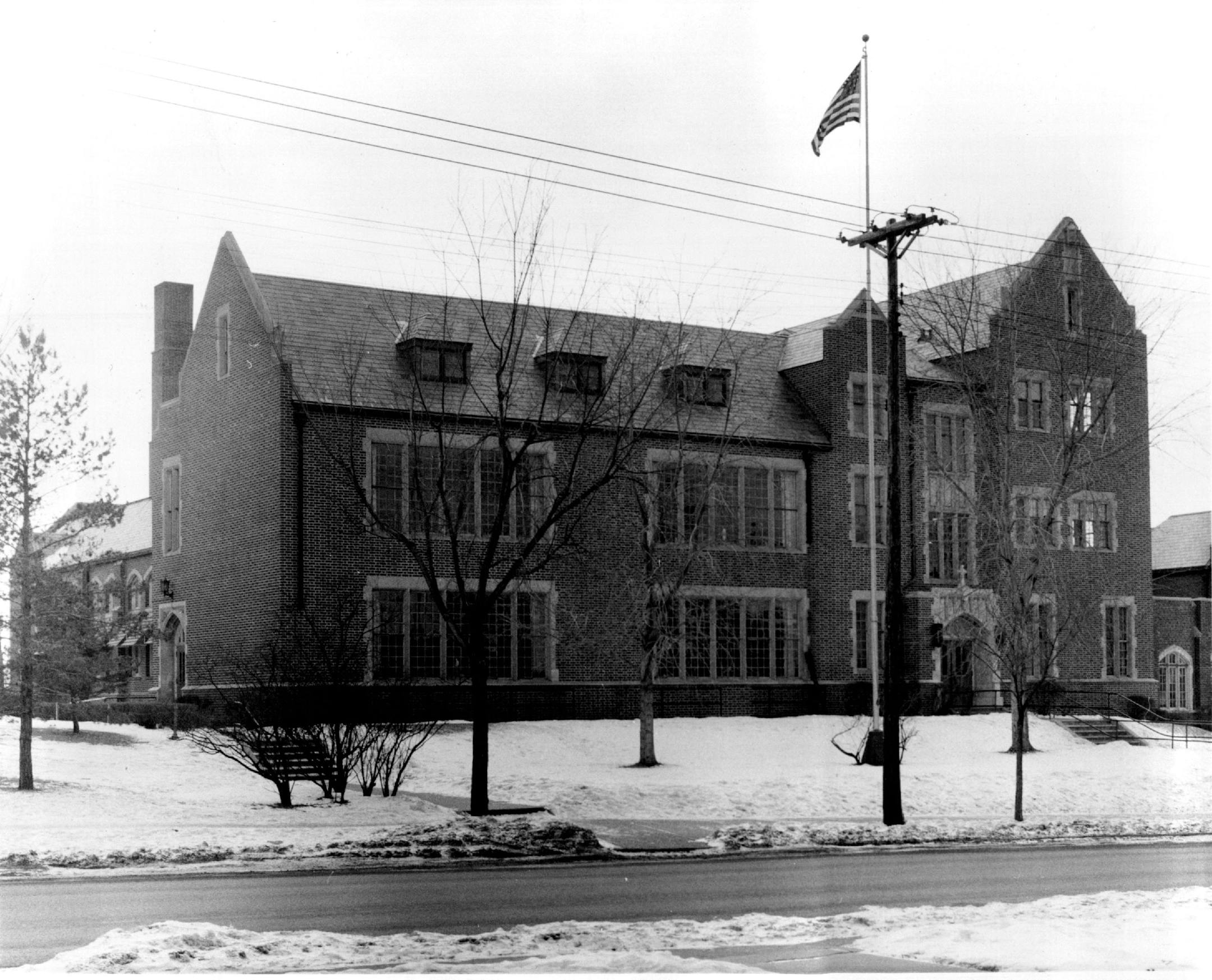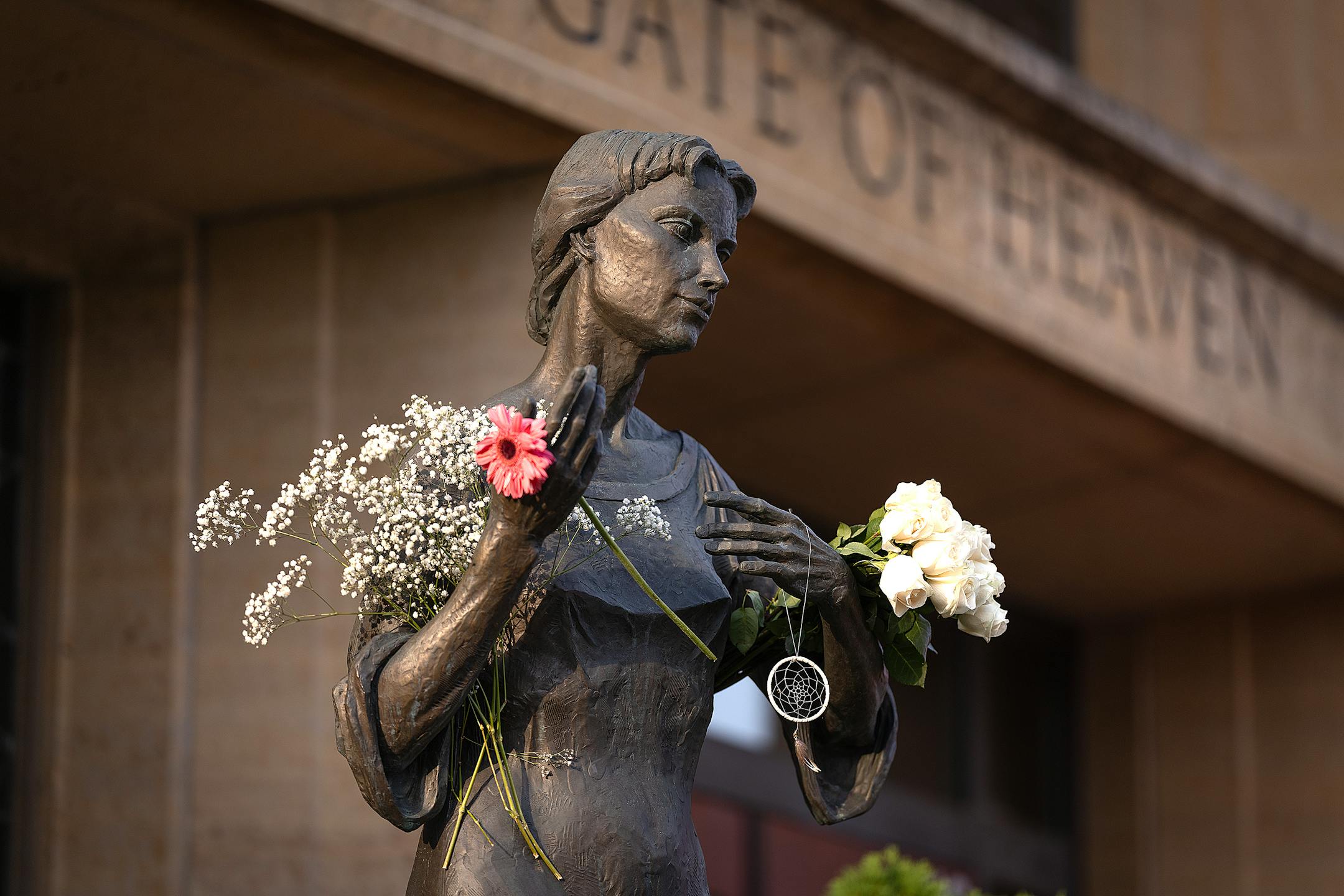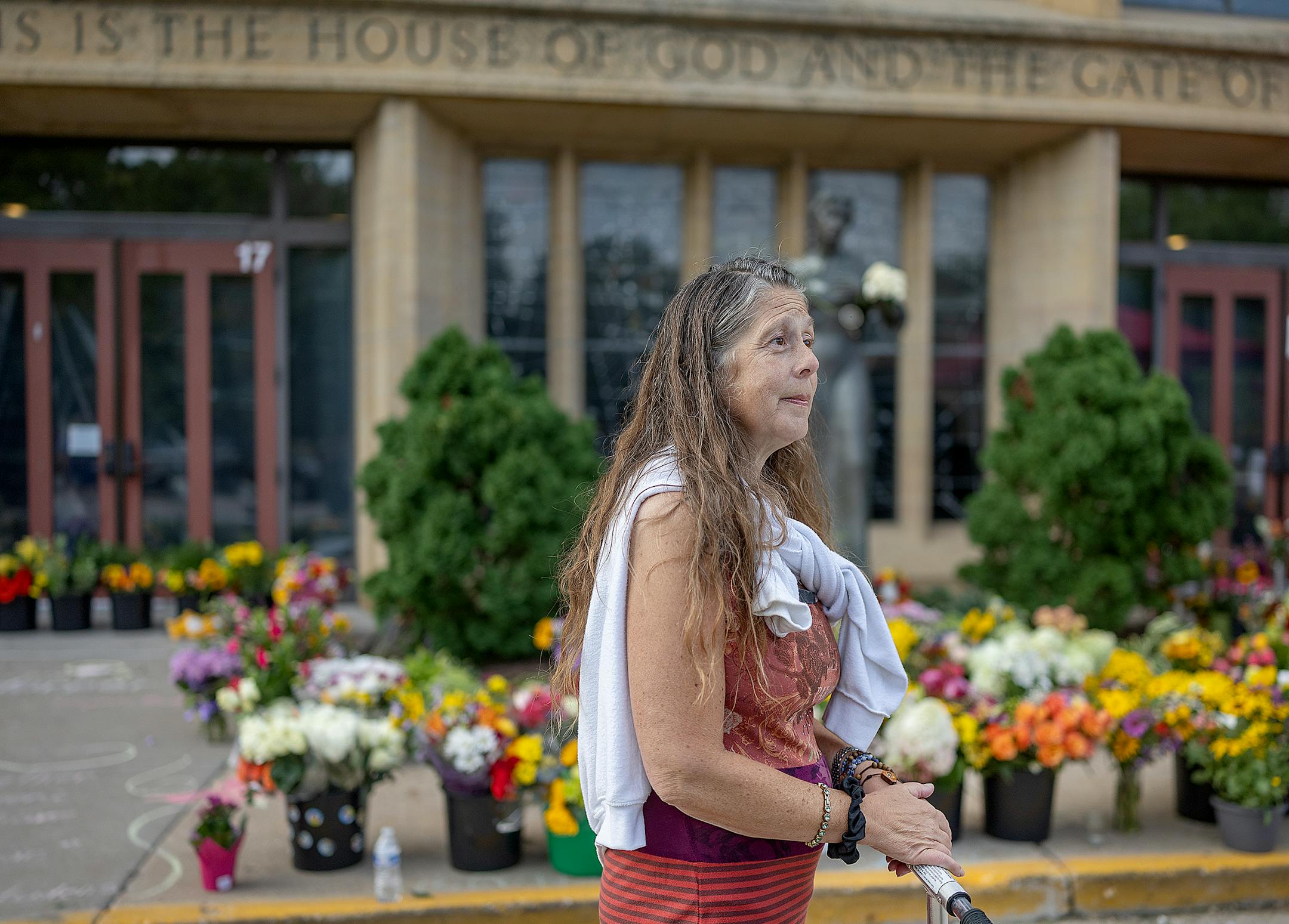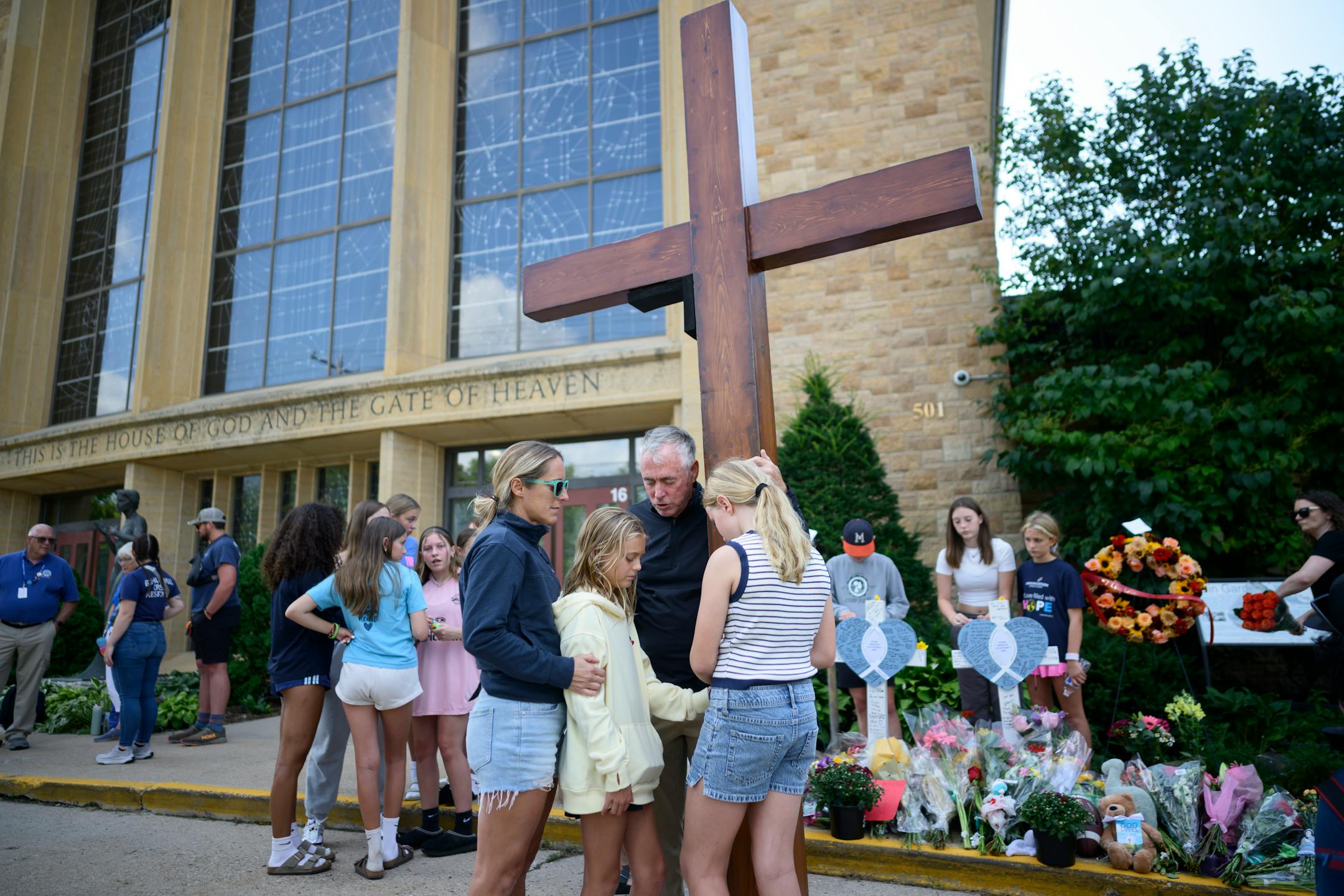
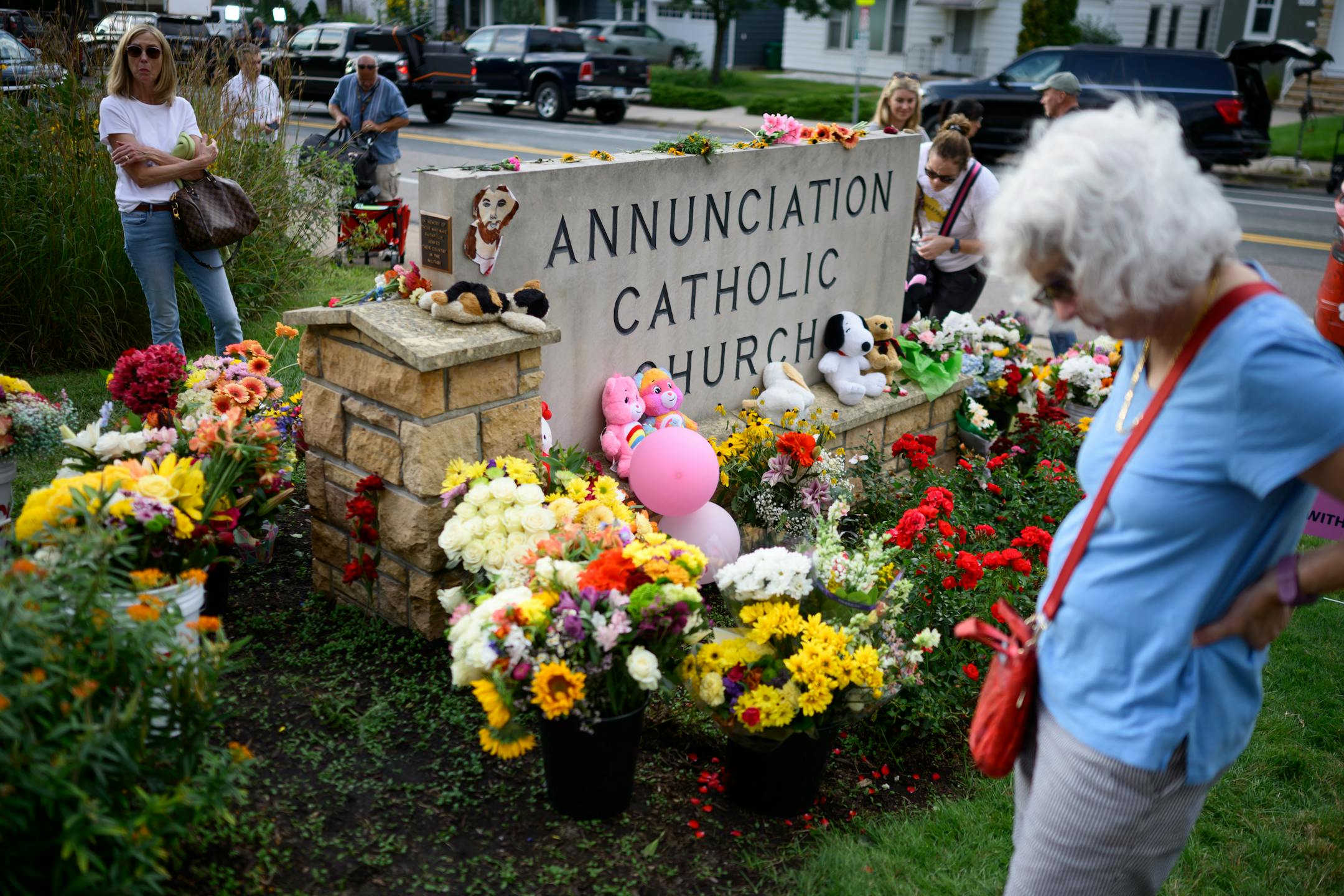
For more than 100 years, Annunciation Church and its stately redbrick school have been an anchor of its corner of south Minneapolis. Students in green and blue uniforms, many from the surrounding neighborhoods, walk to the school like generations before them, passing by the inscription carved above the front doors of the parish church: “This is the house of God and the gate of Heaven.”
On Wednesday, the close-knit community that prides itself on service and academic excellence became known to the world for something far darker. A shooter fired a spray of bullets into the church during morning Mass, killing two schoolchildren and wounding 18 others.
Compounding the tragedy is the shooter’s ties to the community. Robin Westman, who authorities say unleashed over 100 rounds into the church before dying of a self-inflicted gunshot wound, attended the school in 2017, a yearbook photo shows. Westman’s mother, Mary Grace Westman, worked at the church as a parish secretary, according to a 2021 Facebook post.
Many in the Annunciation community describe it as a safe haven, yet the church has never been sheltered from the outside world. Like many Catholic communities, it has wrestled with debates over church teaching on homosexuality, marriage and divorce.
Still, alumni and church members say it has remained steadfast, a place where people rally around the sick and life-long friendships bloom.
“It’s a bit like a small town in the middle of the city,” said Kelly Molloy, who attended the school from first through eighth grade in the 1990s and early 2000s. “For one institution, it had the biggest possible effect on me as a person.”
A community pillar
Annunciation Church held its first Mass in 1922. The next year, four Dominican Sisters opened the 72-pupil school that would become a permanent fixture in the quiet neighborhood southeast of Lake Harriet. The church’s name refers to the angel Gabriel’s announcement to the Virgin Mary that she will divinely bear a son.
By the 1960s, Annunciation Catholic School had grown to enroll more 1,000 students before class sizes began shrinking — a trend that affected Catholic schools across the U.S.