

Opinion editor's note: Star Tribune Opinion publishes a mix of national and local commentaries online and in print each day. To contribute, click here.
•••
What's the dirtiest word in financial policy?
My vote goes to "bailout." The term evokes giveaways to the most undeserving of fat cats, people who accept "responsibility" for financial crises as long as that doesn't involve punishment.
Bailouts exemplify the long dishonorable principle of privatizing profits and socializing losses — that is, we're going to mulct the consumer for every cent of black ink but stick it to the taxpayer when our own mistakes put us in a hole.
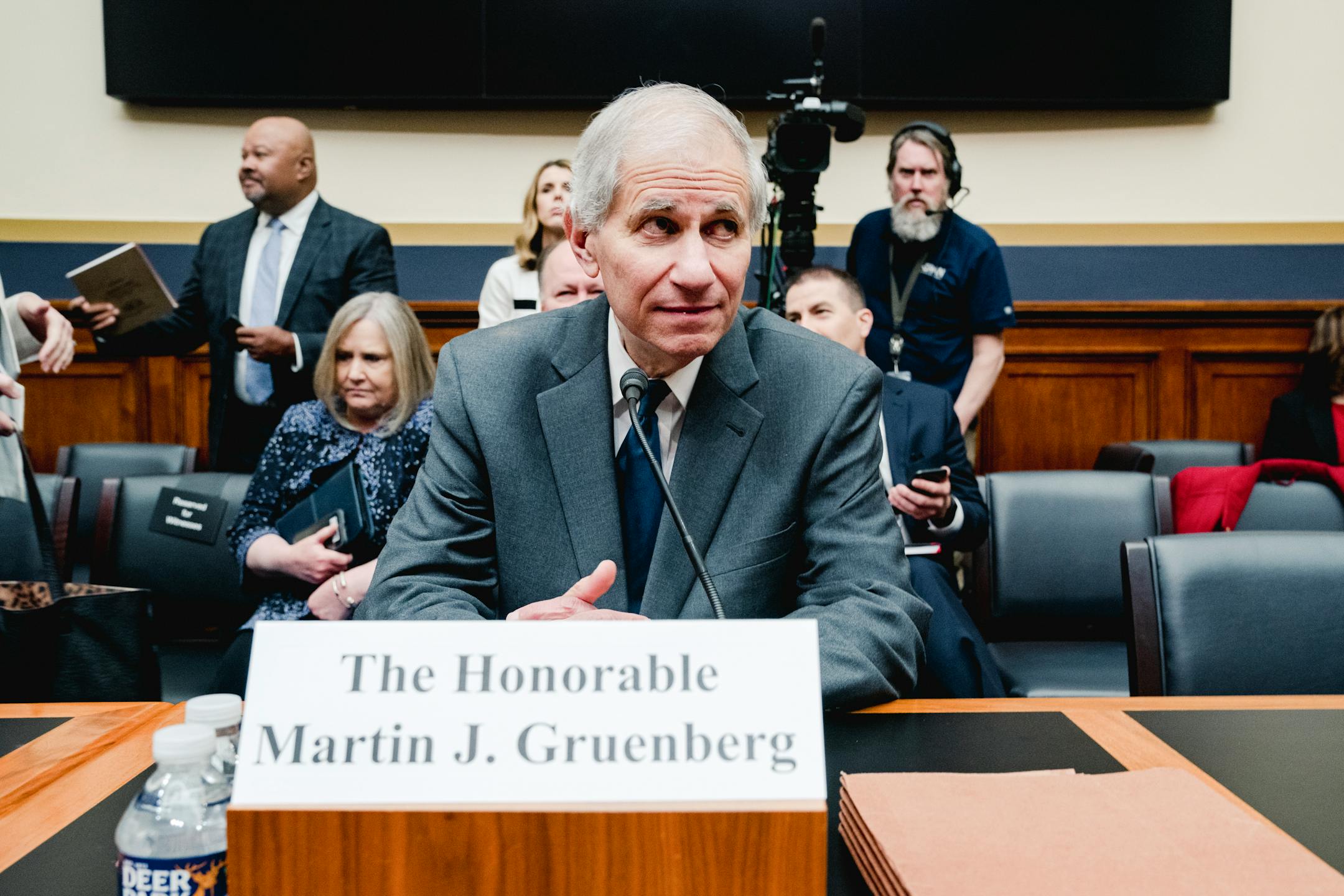
The perennial issue has bubbled up again in connection with the government response in recent weeks to the collapses of Silicon Valley Bank and Signature Bank.
In those cases, the Federal Deposit Insurance Corp. acted to guarantee the full deposit accounts of the banks' customers even beyond its standard insurance limit of $250,000 per depositor. As it happened, the vast majority of deposits at both banks — 88% at SVB and 90% at Signature, according to the FDIC — were in accounts exceeding that limit.
That's the aspect of the bank rescues that has drawn the focus of their critics, who demand to know who will ultimately pay the bill. The FDIC says the cost of the excess coverage, which it pegs at about $22 billion, will be covered by a special assessment on its member banks, as the law requires. In other words, not a cent will be billed to taxpayers.


