It's a scrap over symbols that's a sign of the times in health care.
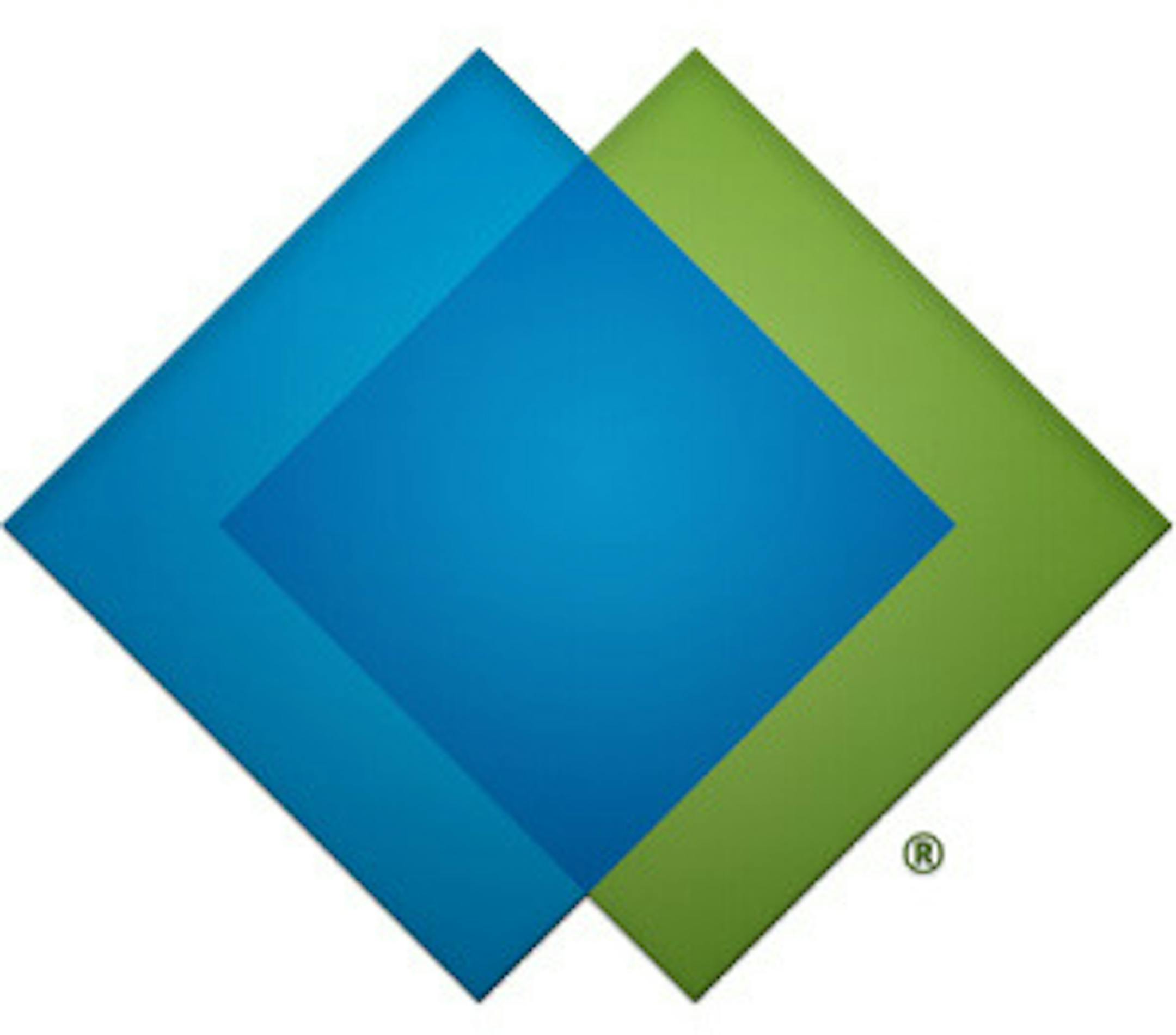
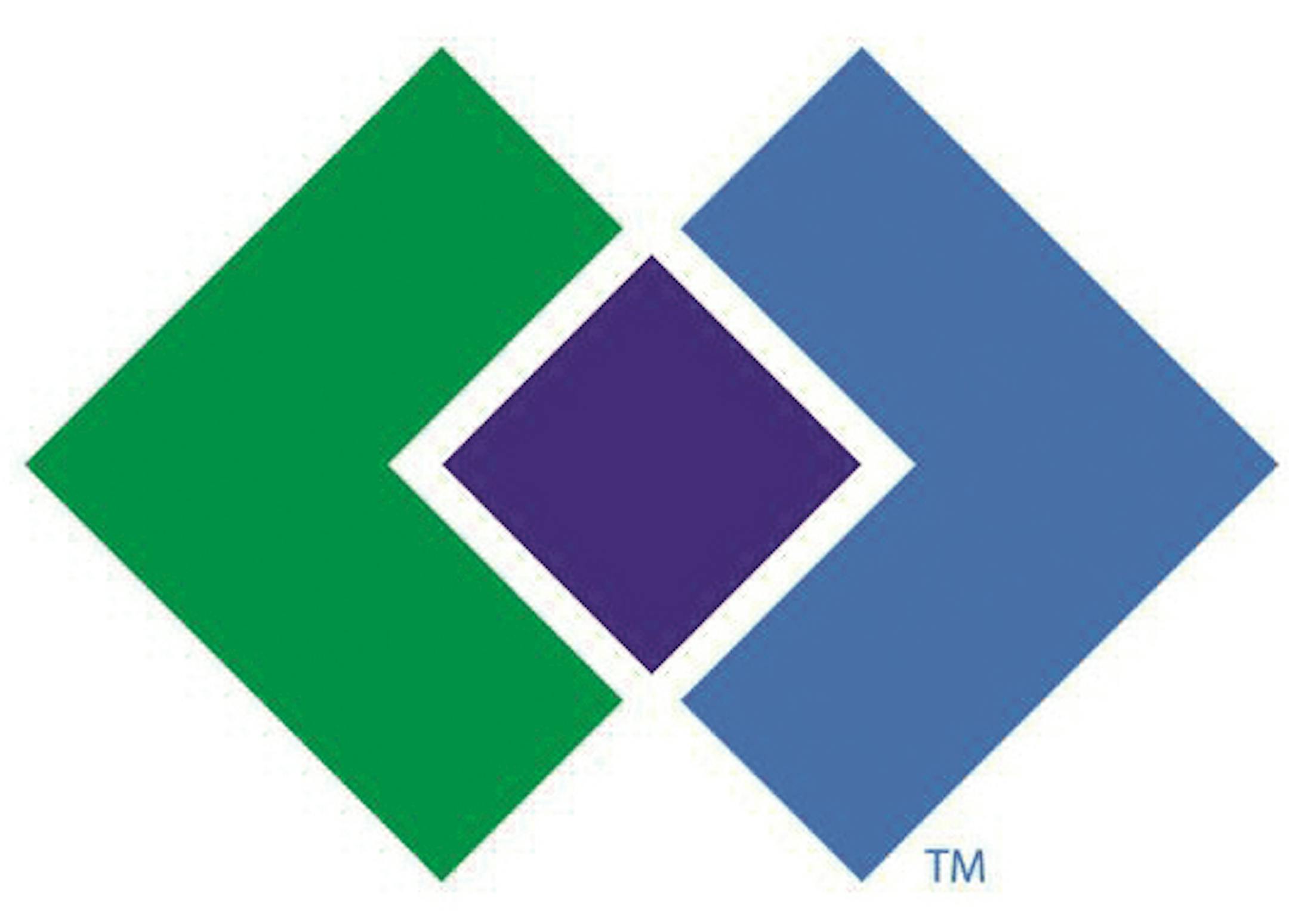
HealthPartners has sued retail giant Wal-Mart Stores Inc. in a dispute over whether the logo for the Bloomington-based health system is too similar to the emblem for Wal-Mart's warehouse club chain, Sam's Club.
Both groups have logos that feature overlapping tilted squares. Earlier this month, HealthPartners asked a federal court to rule that its use of the symbol does not constitute unfair competition or a trademark infringement.
Wal-Mart has not yet responded to the lawsuit in court, but a spokesman said that HealthPartners is causing confusion while infringing on the retailer's intellectual property.
Advertising executives wouldn't comment on the dispute, but said it's just another example of how retail-style marketing has become a big deal in health care.
"The retail space in health care has become so important," said John Foley, the chief executive at Level, a brand and advertising firm in Minneapolis. "The whole industry … is very concerned about protecting their brand and their image with the consumer."
Between 2011 and 2014, ad spending by hospitals, clinics and medical centers increased from roughly $1.5 billion to $2 billion, according to Kantar Media. The research firm tracked a similar increase in ad spending by health insurers during the time period, as well.
In March 2015, Minnetonka-based UnitedHealthcare launched TV and digital ads as part of the health insurer's attempt to publicize its brand more broadly than in the past. The campaign includes a spot that aired during this summer's Olympics called "Pool Vault," in which a woman searches for urgent care options as her husband suffers a comical poolside injury.