

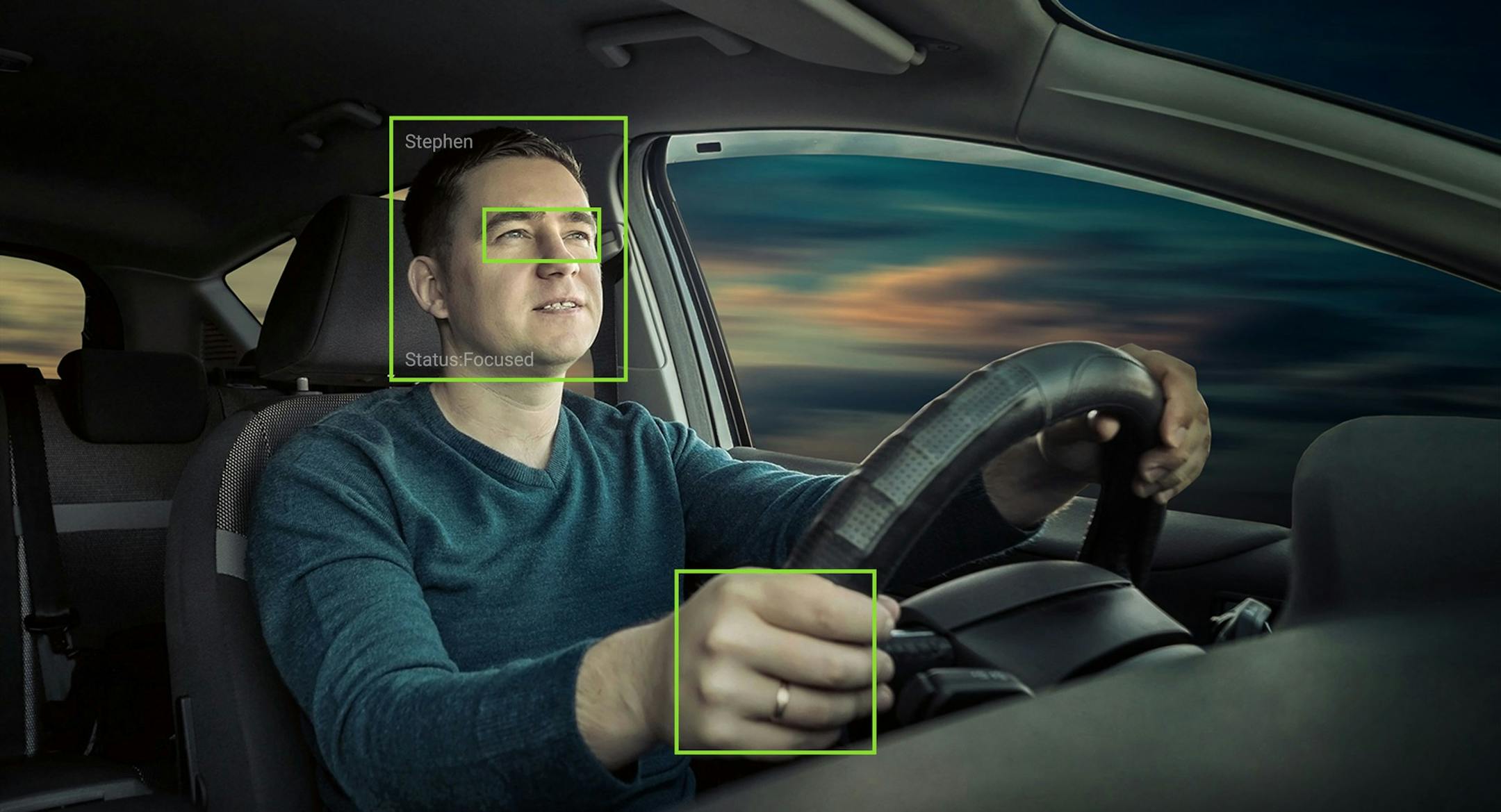
Computerized sensors that warn drivers they're about to rear-end another vehicle or prevent other types of accidents are available on models made by every major auto manufacturer.
The problem, according to a U.S. safety agency and accident-prevention advocates, is that these lifesaving technologies are optional equipment that makes its way onto a tiny minority of vehicles.
"We're not talking about the future. This is not flying cars," said Robert Molloy, director of the highway safety office at the National Transportation Safety Board, which called installation of such automation one of its "Most Wanted" safety enhancements. "This can be done."
Frustrated by last year's 7.2 percent jump in highway deaths to more than 35,000 — the steepest increase in 50 years — and the slow adoption of new technologies designed to address the problem, the NTSB has included several roadway safety issues on its Most Wanted list this year.
The agency is calling for action to reduce fatalities on multiple fronts: preventing distractions such as smartphone use, decreasing driving while impaired by alcohol and drugs, and driving down fatigue-related crashes. A unifying solution that addresses at least a portion of all these issues is the suite of new safety technology, the safety board said.
While fully autonomous cars are years away, sensors and computers have made incremental automation possible, NTSB board member Earl Weener said. For the moment, this new technology is mainly available only in luxury packages and not standard equipment.
The NTSB has no power to regulate and can only recommend safety improvements. It's recent emphasis on automation is because the technology has matured. "The focus is on commercially available technology," Weener said.
The technology is designed to address some of the biggest causes of crashes and deaths. A National Highway Traffic Safety Administration study in 2013 found that one-third of reported crashes began with a rear-end collision.


