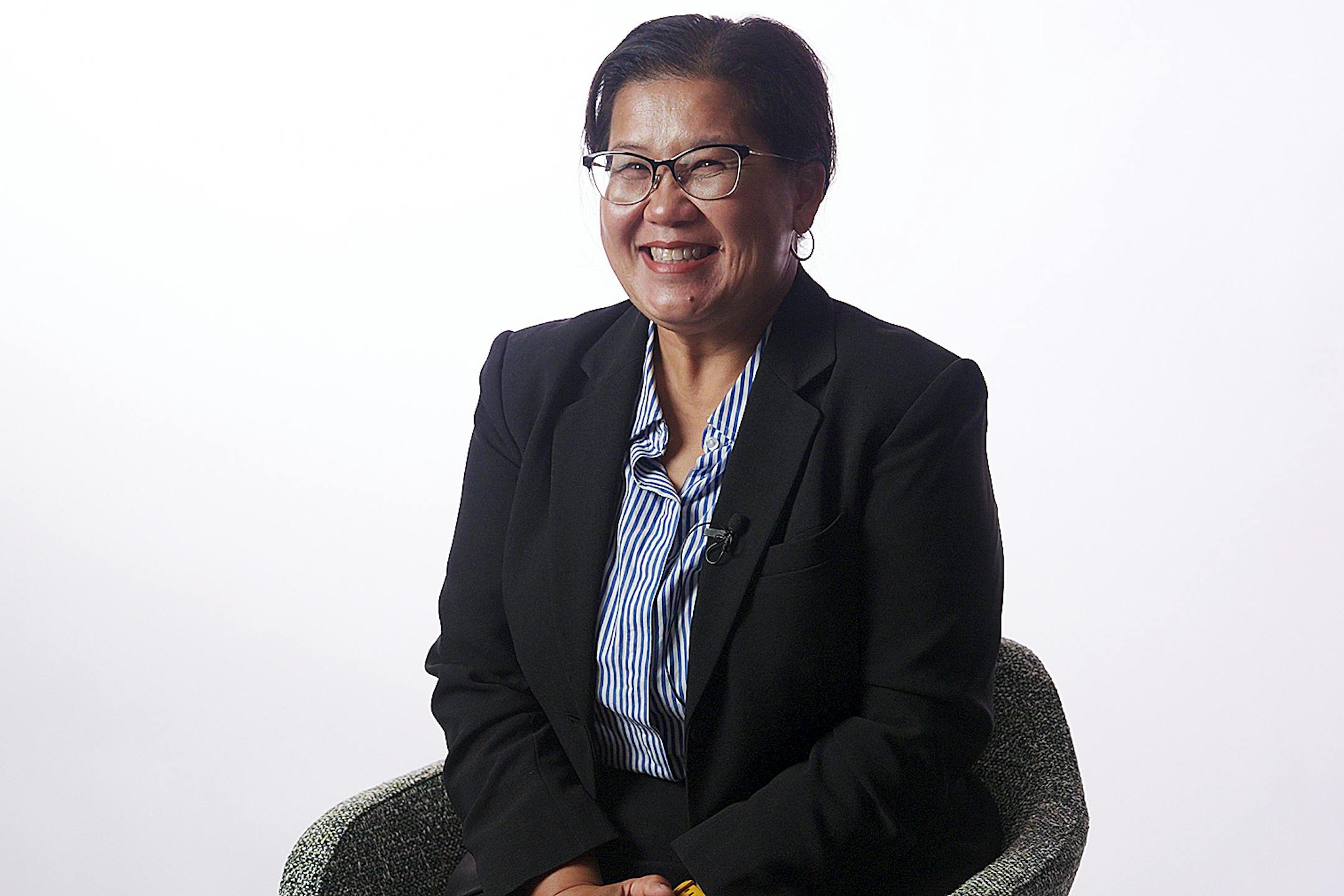
State Rep. Kaohly Her is challenging St. Paul Mayor Melvin Carter, her former boss and mentor, in Tuesday’s election. Her has represented parts of St. Paul in the Legislature since 2019. In running for mayor, Her said she wants to lean not just on her political experience, but on her years working in finance, her time as a stay-at-home mother and her upbringing as the child of refugees from Laos.
She entered the race in August and has said the assassination of Melissa Hortman in June catalyzed her decision.
As part of its coverage of the St. Paul mayor’s race, the Minnesota Star Tribune invited Her and Mayor Melvin Carter to address a variety of campaign issues. Her’s comments have been edited for length and clarity.
On the most pressing issues facing St. Paul
It depends on a person and their circumstances. If I’m a senior living on a fixed income, property taxes, this is the greatest issue that I’m worried about. But if I’m an immigrant family or refugee family, what’s happening with ICE is the biggest issue right now. If I’m a small business owner and that’s my livelihood, like being able to survive in our city is the most pressing issue to you. It really is at the intersection of all of these pieces together and why it is that we have to solve them as looking at all of them as pressing issues.
On what a thriving St. Paul looks like
I would say that a thriving St. Paul is a St. Paul in which people feel like they can really live their life.
People always feel like we have to do this big, showy thing to say, like our city is working well. And that’s not necessarily true. It’s people’s ability to go about living their lives, raising their children, going into their retirement, being able to get to work, that shows me that we are functional and a livable city, that shows me that our city is thriving and doing well.
And then, do people see themselves reflected in the city, do they feel like their voices are included in what is happening in this city?
Those are all such simple, basic things. But when people are telling me they don’t feel a part of processes, that they don’t feel heard, that they have innovation and resources but that our city doesn’t value that, we can’t revitalize areas, we can’t bring back businesses, that, to me, it’s core city functions.