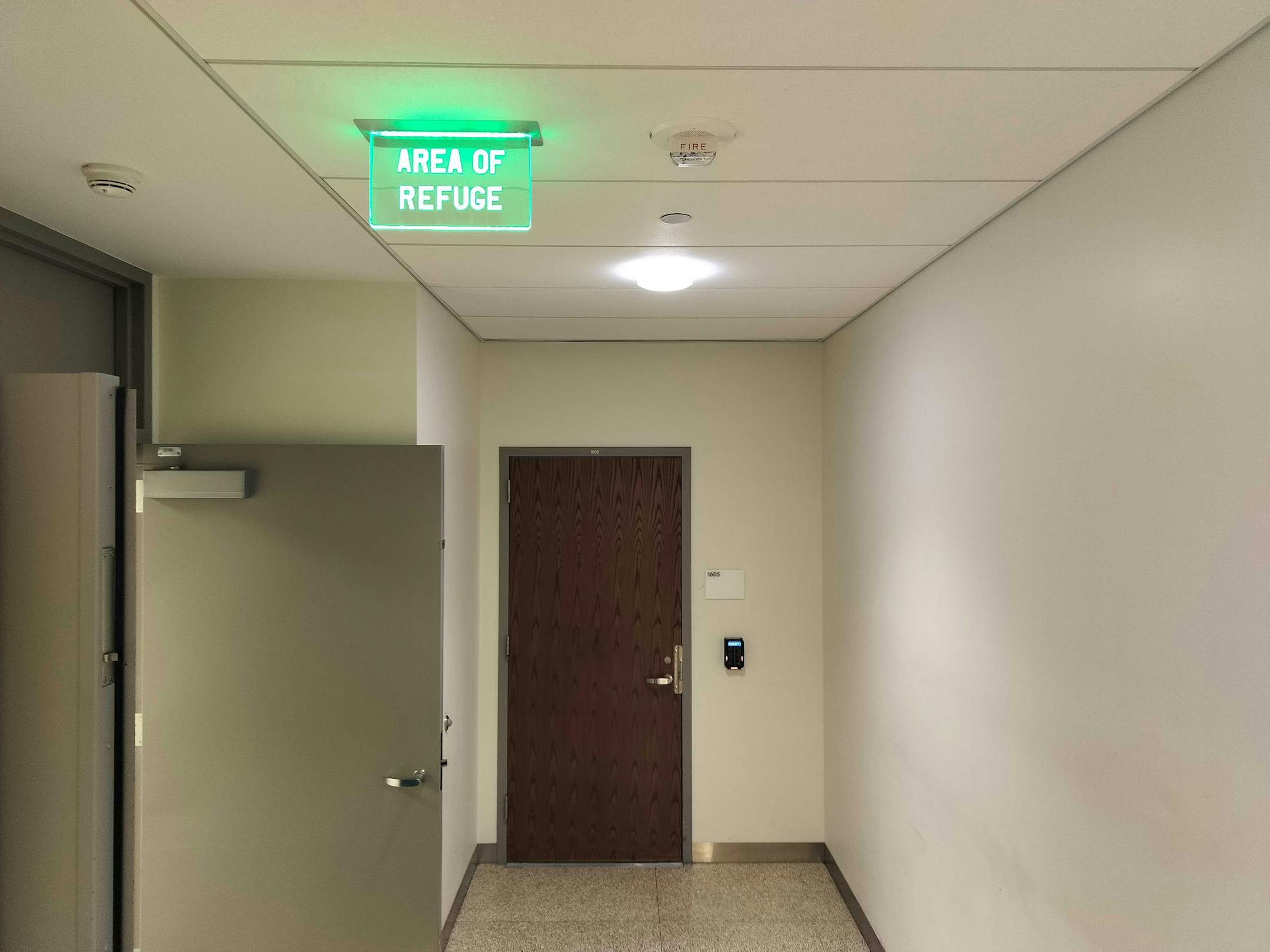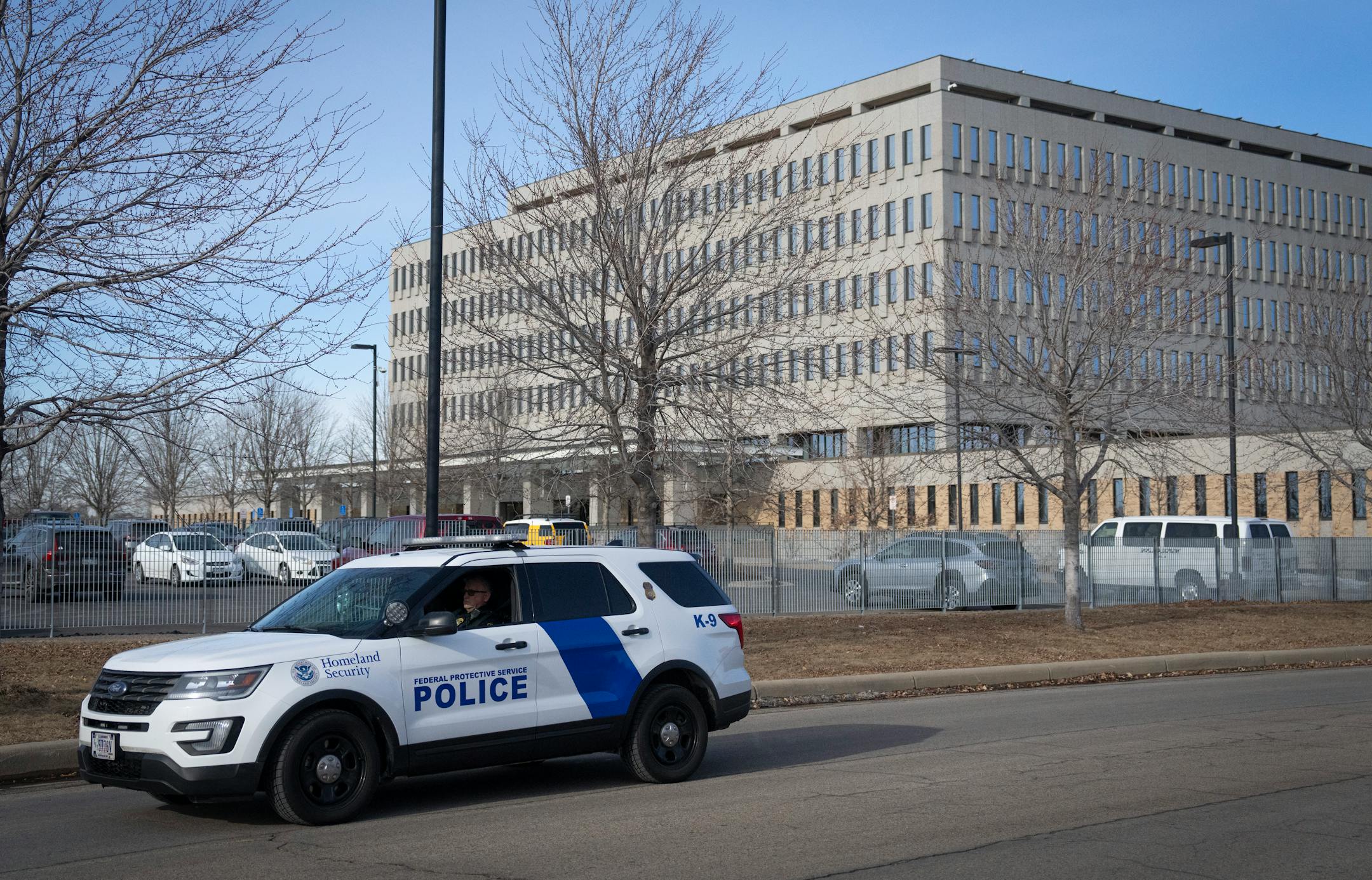
Fabian took a deep breath as he peered down the long hallway leading to the exit of the Whipple Federal Building in Fort Snelling.
Three men in plain clothes were idling along the hallway. He hesitated.
Minutes earlier, Fabian, a man from Venezuela, sat before Immigration Judge Brian Sardelli for a removal hearing. Without an attorney, Fabian watched as a lawyer for the Department of Homeland Security asked Sardelli to dismiss the removal proceedings against Fabian. Sardelli granted it.
In years past, that typically meant Fabian would be free to go and the U.S. government would not be interested in pursuing his removal from the country. But under President Donald Trump’s administration, it meant his arrest was imminent.
In Fort Snelling this year, more than 225 people have watched their immigration case dismissed at the government’s request, only to be arrested by ICE agents after leaving the courtroom. They were then placed in expedited removal, according to the Advocates for Human Rights, which staffs Fort Snelling courtrooms daily with legal observers.
Expedited removal is a process that requires the detention of noncitizens. They can be deported within days or weeks, without a hearing before a judge.
Expedited removal was previously reserved for migrants caught within 100 miles of the border and within two weeks after crossing illegally. Now, the Trump administration is applying it to noncitizens living anywhere who can’t show they have been in the U.S. for at least two years.
The tactic has raised red flags among immigrant rights activists and attorneys, who argue the process undermines due process rights and coerces people not accused of any crimes into detention.