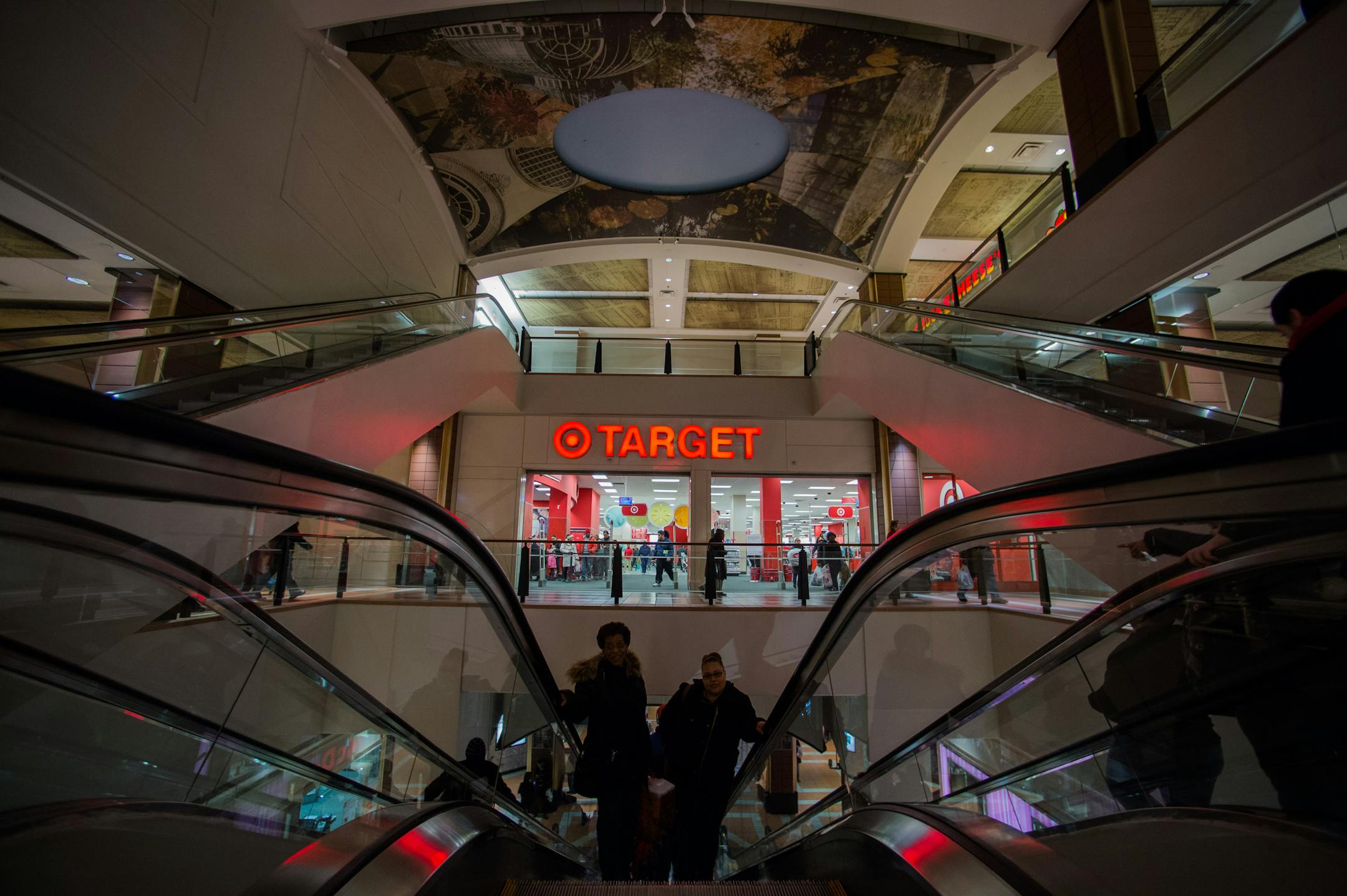
The amount Target Corp. will pay to settle claims from consumers damaged by a 2013 data breach is big relative to similar cases, but only a small percentage of the tens of millions of people whose information was exposed will likely receive a piece of it, legal experts said Thursday.
A federal judge in St. Paul on Thursday gave preliminary approval to the $10 million settlement reached by Target and plaintiffs' attorneys in a class-action lawsuit.
The payout is a small sliver of the $252 million in expenses the Minneapolis-based retailer has said it expects to pay because of the data breach in which shoppers' financial and personal information was hijacked during the 2013 holiday shopping season.
In most cases, banks reversed fraudulent charges and reissued new cards at no cost to the customer, so a relatively small number of people suffered losses that would make them eligible for a significant monetary reward. But even so, experts said the settlement is one of the largest ever for consumers as a result of a data breach.
"Target did not get off lightly," Avivah Litan, a security analyst with research firm Gartner, said in an e-mail interview.
She added the settlement is a sign that retailers will now be held more accountable for late fees, blocked bank or credit accounts and the time consumers spend to undo those damages.
"Target really needs to be commended for being willing to step up," U.S. District Judge Paul Magnuson said at the hearing Thursday morning in St. Paul.
Target is still facing a lawsuit brought by banks that suffered a big brunt of the costs related to the breach. Experts said Target could be on the hook for an even larger settlement in that case.